Business and Management Degrees in Germany: Public Universities vs Private Business Schools
By TopUniGermany Editorial Team · 12 Aug 2026
Overview of Business and Management Degrees
Germany offers a diverse range of programs in Business and Management, made evident by the 2,265 degree programmes available at 210 institutions. Students can pursue various levels of education, including 41 Bachelor's degrees, 156 Master's degrees, and postgraduate options like PhDs. This robust offering reflects the country's strong emphasis on integrating theoretical knowledge with practical experience.
When considering a degree in Business and Management, international students often weigh factors such as tuition costs, program quality, and the learning environment. Public universities such as the Technical University of Munich, Mannheim, and Cologne are noted for their quality education in business and economics.
Public Universities: Advantages and Costs
Public universities in Germany are particularly attractive due to their tuition-free education policies. Except for Baden-Württemberg, where non-EU students pay €1,500 per semester, students from Germany and the EU can attend public universities without tuition fees. A semester contribution, typically between €150 to €400, is required, which often covers services like public transport.
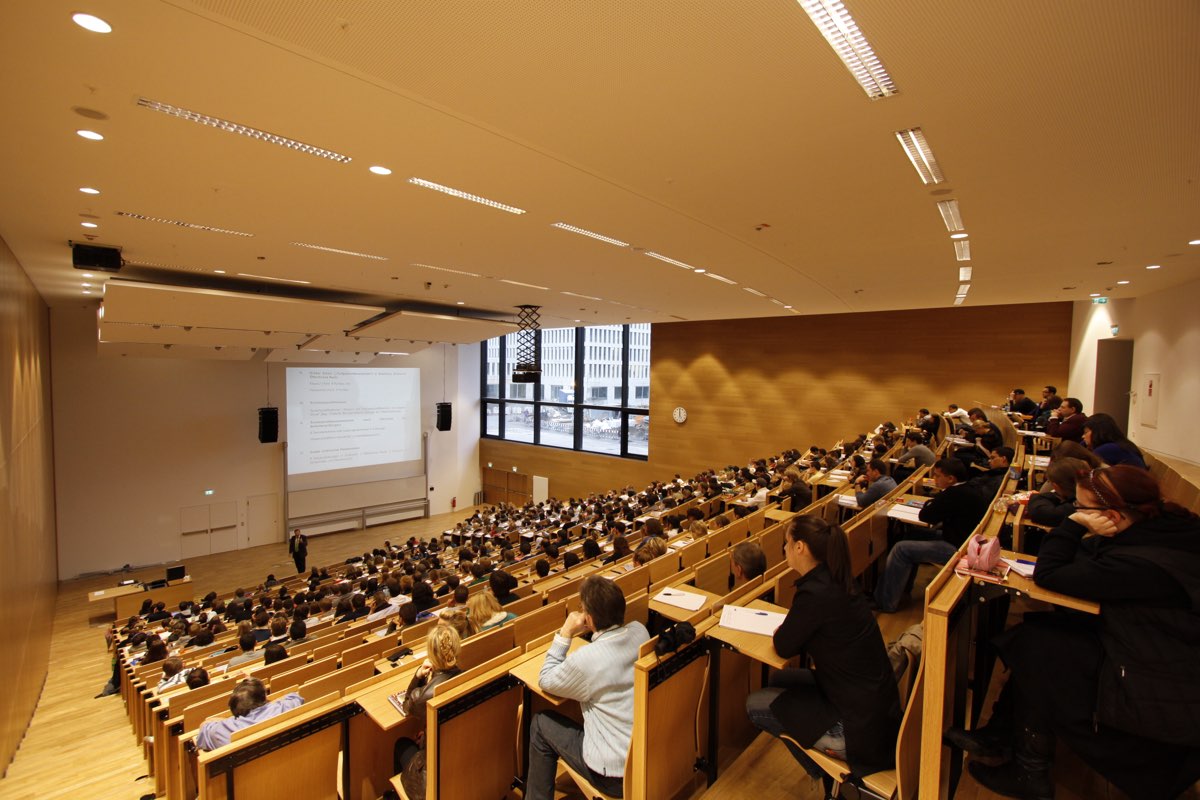
A student’s choice of attending a public university boils down to more than just cost. Factors like cohort size, networking opportunities, and teaching styles can significantly affect educational outcomes. Public universities in Germany usually have larger class sizes which can lead to a more diverse exchange of ideas, while providing a more traditional lecture-based learning experience.
Private Business Schools: Unique Features
Private business schools in Germany, including institutions like WHU, the Frankfurt School, and ESMT, offer a different set of advantages. They typically charge tuition fees but provide smaller cohorts, which can enhance personalized learning and networking opportunities. Many of these programs are taught in English, making them appealing to international students.
Notably, the smaller class sizes at private institutions lead to closer interactions with faculty and peers. This environment can foster a more engaged and collaborative learning experience, which is often sought after by students aiming for high-level careers in business.
Internship Opportunities
Germany's prominent finance sector, particularly located in Frankfurt, and the extensive industrial network in the Rhine-Ruhr region offer ample internship opportunities for students pursuing Business and Management degrees. Internships are essential for gaining practical experience and establishing professional connections, both of which are invaluable in today’s job market.
Students are encouraged to leverage their university's career services and networks to secure internships, as practical experience significantly enhances employability. The relationship between educational institutions and local businesses often creates a pipeline of opportunities.
Application Process
Applying to German universities involves a straightforward process, but it’s crucial to adhere to the main application deadlines: July 15 for the winter semester and January 15 for the summer semester. Interested international students, especially non-EU applicants, need to acquire a national visa (Visa D) and typically must demonstrate financial stability by having a blocked account of about €11,904 for one year.
To apply, students usually begin by selecting their desired programs from the comprehensive lists available, such as the list of all Business Administration (MBA) programmes. After confirming admission requirements, necessary documents including proof of prior qualifications and language proficiency must be prepared for submission.
Cost of Living and Working in Germany
In addition to tuition and semester contributions, students in Germany must consider their living expenses, which vary by city but are generally estimated to be around €853 per month. This covers accommodation, food, transportation, and other essential expenditures. Working part-time during studies can greatly assist in managing these costs.
International students are permitted to work 140 full days or 280 half days a year, providing a valuable opportunity to gain experience and supplement their income. After graduation, students can extend their stay in Germany with a job-seeking residence permit for up to 18 months, allowing them to explore career opportunities.
Common Pitfalls to Avoid
Despite the clear paths available for pursuing a degree in Business and Management in Germany, some students may encounter common pitfalls. One of the most frequent mistakes is underestimating the importance of deadlines; missing an application deadline can exclude candidates from enrollment opportunities.
Additionally, it’s crucial to thoroughly research specific university and program requirements, as they may differ significantly between institutions. Some students may also overlook the necessity of proper visa documentation and requirements for a blocked account, leading to complications in their application process.
Institution Types and Their Differences
Germany's higher education landscape includes three main types of institutions: universities (which are research-oriented and award doctoral degrees), universities of applied sciences (HAW/FH, which focus on practical applications and often include internships), and specialized colleges for arts and music.
This structure influences program offerings, teaching styles, and academic networks. For instance, universities typically emphasize research and theory, whereas universities of applied sciences focus on practical experience. Choosing the right type of institution is key to achieving personal and career goals in the field of Business and Management.
Next Steps for Prospective Students
Prospective students should begin by identifying their personal and professional goals and researching universities that align with them. Utilizing resources such as this site listing all universities in Germany can help streamline the decision-making process. Additionally, contacting current students or alumni from desired programs can provide valuable insights.
After gathering information and making decisions, applicants should focus on preparing their application materials and ensuring compliance with all requirements. Preparing well in advance will increase the chances of success in securing a place at their desired institution.
Frequently asked questions
What are the tuition fees for business degrees in Germany?
Public universities generally do not charge tuition fees for most students, except for international students in Baden-Württemberg who pay €1,500 per semester. All students must pay a semester contribution of about €150 to €400.
How many business administration programs are available?
There are a total of 199 Business Administration (MBA) programmes available at German universities, with a variety of specializations and teaching formats.
What is the application deadline for business programs?
The main application deadlines are July 15 for the winter semester and January 15 for the summer semester, when teaching begins in October and April, respectively.
Can international students work while studying in Germany?
Yes, international students can work 140 full days or 280 half days each year, helping to manage living costs while gaining practical experience in the job market.
What types of institutions offer business degrees in Germany?
Germany has universities, universities of applied sciences (HAW/FH), and specialized art/music colleges, each offering different approaches to business education.