hochschulstart.de: Applying for Medicine, Dentistry, Pharmacy and Veterinary Medicine
By TopUniGermany Editorial Team · 19 Aug 2026
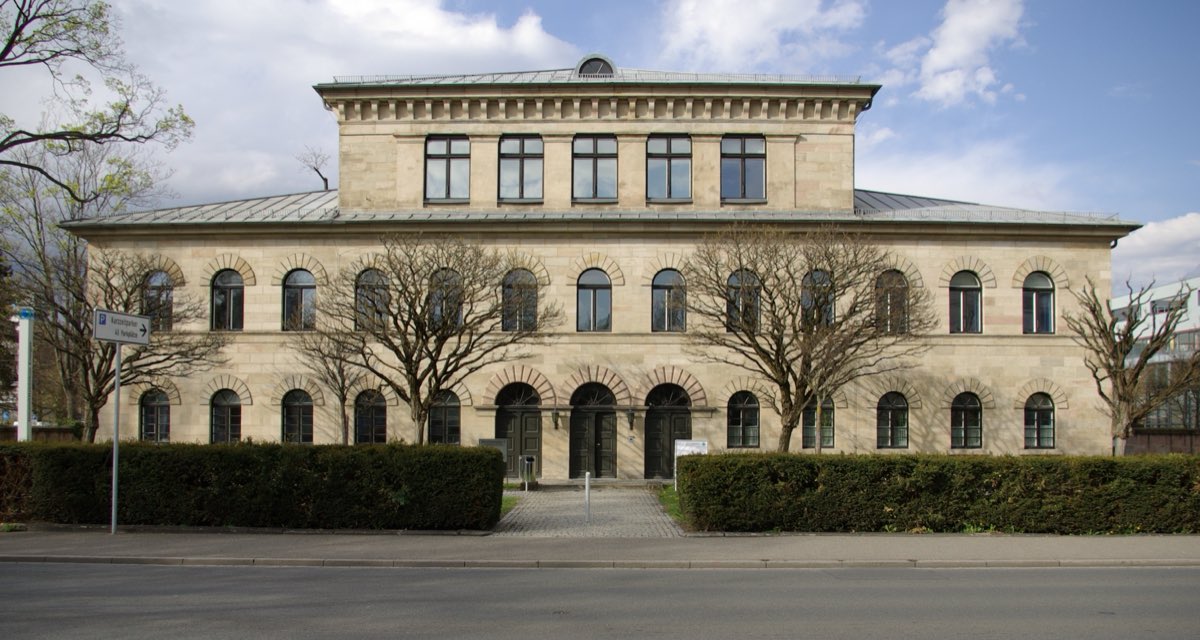
Overview of hochschulstart.de
Hochschulstart.de is a centralized platform that manages the nationwide allocation of places in Germany for degrees in medicine, dentistry, pharmacy, and veterinary medicine. It aims to streamline the application process while ensuring that student admissions are conducted fairly and transparently across the country.
When applying for one of these competitive programs, prospective students must be aware of the various quotas and selection procedures that universities use to allocate places. These include ability quotas and unique selection methods employed by the institutions, which influence an applicant's chances of being admitted.
Programs Available
Germany offers a diverse selection of degree programs, with 2 Medicine (MD) programmes available through hochschulstart.de. Additionally, there are degree opportunities at the Master's level and PhD or doctorate level, providing pathways for advanced study and research.
The University of Bonn and Ludwig-Maximilians-Universität München are two notable institutions offering these programs. Both universities are well-regarded, particularly in the fields of medicine and healthcare education.
Application Process
To begin the application process, first familiarize yourself with the main application deadlines: July 15 for the winter semester and January 15 for the summer semester. Applications can be submitted through hochschulstart.de, where students can create a user account to manage their submissions.
International applicants often need to apply via uni-assist at the same time, depending on the specific university's requirements. This dual application process ensures that all necessary documentation and prerequisites are met before admission decisions are made.
German Language Requirements
It is important to note that the primary language of instruction for these degree programs is German. Therefore, applicants must demonstrate proficiency by obtaining a C1-level certificate. Competency in the German language is essential, not just for academic success, but also for engaging in clinical practice and interacting with patients.
Tuition Fees and Costs
Public universities in 15 of the 16 German federal states do not charge tuition fees for both German and international students. However, students should be aware that Baden-Württemberg is the exception—non-EU students must pay €1,500 per semester, which translates to around €3,000 annually.
In addition to tuition fees, every student is responsible for a semester contribution, which typically ranges from €150 to €400. This fee usually includes essential services like a public-transport ticket, which is beneficial for students traveling to and from campus.
Living Expenses and Visa Requirements
International students planning to study in Germany need a national visa for study purposes (Visa D). Often, they are required to prove sufficient financial resources, which usually involves opening a blocked account with about €11,904 available for the first year (approximately €992 per month). This ensures that students can cover living expenses while studying.
In accordance with visa regulations, students are permitted to work part-time—specifically, 140 full days or 280 half days each year. After graduation, they can remain in Germany for up to 18 months on a job-seeking residence permit.
Types of Institutions
In Germany, higher education institutions fall into three main categories:
- Universities: These are research-led institutions that award doctorates and offer a wide range of academic programs.
- Universities of Applied Sciences (HAW/FH): These institutions focus on practical education and often have internship semesters embedded in their programs.
- Art/Music/Film Colleges: Admission into these specialized colleges often requires a portfolio or an audition to assess applicants' creative abilities.
Common Mistakes in Applications
One of the most common errors applicants make is missing application deadlines. It is crucial to keep track of dates for submitting applications through hochschulstart.de as well as any other required documents for uni-assist.
Another frequent mistake is underestimating the language proficiency requirement. Potential students should start preparing their German language skills well in advance, as a C1 certificate is expected. Additionally, applicants should ensure their financial resources are documented and comply with visa requirements to avoid delays.
Next Steps After Application
Once you have submitted your application, it is essential to stay informed about the status of your application through hochschulstart.de. Regularly checking your profile will help you track if any further information or documentation is required.
If accepted, prospective students should promptly begin organizing their accommodation and preparing for relocation to Germany. This includes setting up a blocked account, applying for a Visa D, and acclimating to life and education in Germany.
Frequently asked questions
What are the main deadlines for applying for medical programs?
The main application deadlines are July 15 for the winter semester and January 15 for the summer semester.
Do I need a visa to study in Germany as an international student?
Yes, international students need a national visa for study purposes (Visa D) to study in Germany.
What are the tuition fees for non-EU students in Baden-Württemberg?
Non-EU students in Baden-Württemberg must pay €1,500 per semester, which amounts to about €3,000 a year.
Is a German language certificate required for medical studies?
Yes, a C1-level German language certificate is effectively required for admission to medical programs.
How can I check information about German universities?
You can find detailed information about all universities and programs in Germany at the <a href="/universities">official guide</a>.