Studying in Berlin: Universities, Costs and Student Life
By TopUniGermany Editorial Team · 09 Aug 2026
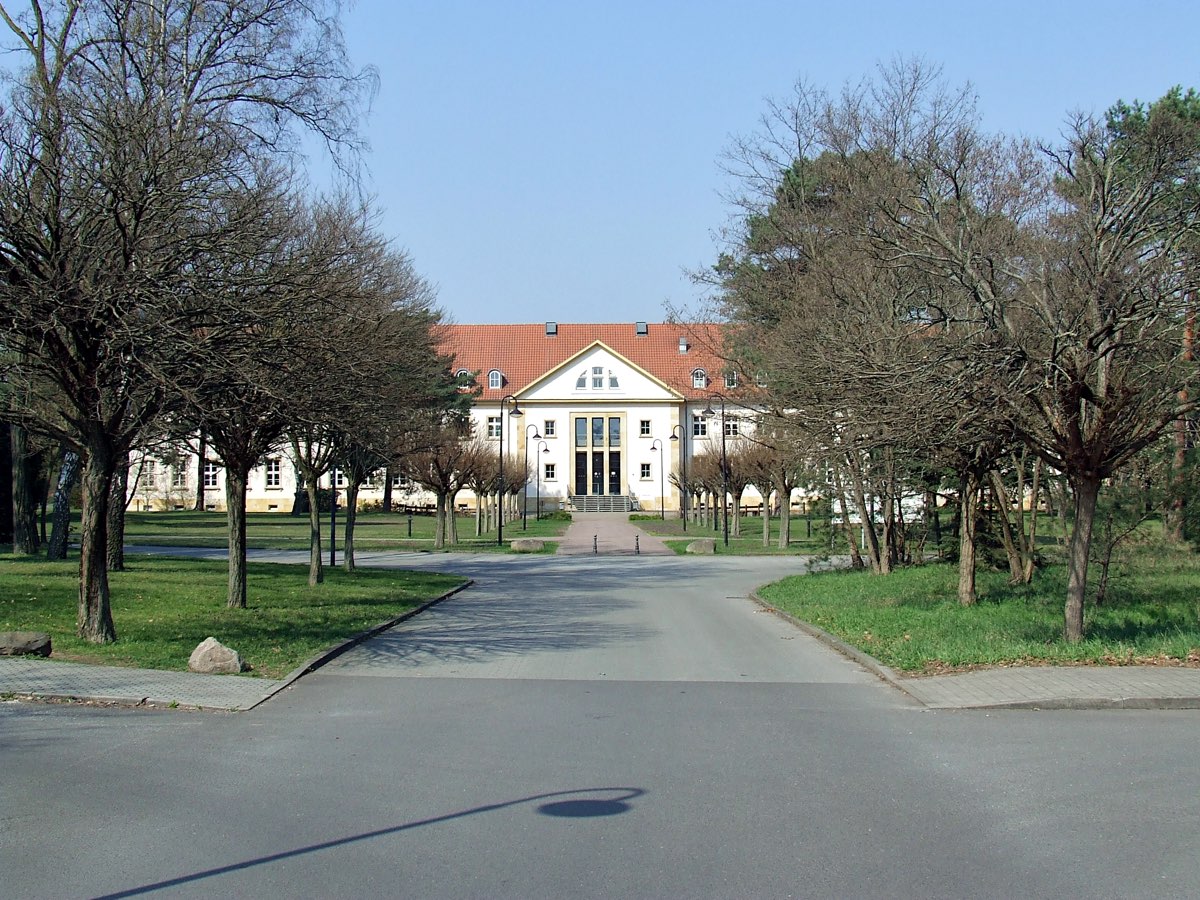
Overview of Studying in Berlin
Berlin is not only the capital of Germany but also a vibrant hub for education, hosting some of the country’s most esteemed institutions. With 13 recognized universities, including Freie Universität Berlin, Humboldt-Universität zu Berlin, and Technische Universität Berlin, students have a wealth of programs to choose from. The city’s unique status as a city-state means that the university system operates under the jurisdiction of Berlin's state government.
The educational landscape is diverse, catering to various academic interests, whether they lie in the arts, sciences, or applied technology. This diversity is reflected in the offering of 2,265 degree programs across the institutions listed in the official DAAD database.
Types of Institutions in Berlin
In Berlin, there are several types of higher education institutions designed to meet the needs of different students:
- Universities: These are research-led institutions like those previously mentioned, which offer doctoral degrees.
- Universities of Applied Sciences: Known as HAW/FH, these institutions are more practice-oriented, often requiring internship semesters to provide hands-on experience.
- Art, Music & Film Colleges: Institutions like Universität der Künste Berlin require admission through portfolio evaluations or auditions, catering specifically to creative disciplines.
The Application Process
When applying to study in Berlin, international students need to navigate a structured process. Key steps include:
- Choose a Program: With a total of 2,265 programs, students should carefully select a field of study that matches their career aspirations and academic interests.
- Visa Application: Non-EU students must apply for a national visa (Visa D) which often requires proof of financial means, such as a blocked account with approximately €11,904 for a year, indicating they can support themselves during their studies.
- Complete the Application: Most universities require students to submit documents such as transcripts, proof of language proficiency, and CVs.
Main application deadlines to be aware of are the 15th of July for the winter semester, with classes starting in October, and the 15th of January for the summer semester, which begins in April.
Costs of Living in Berlin
Students often find Berlin to be relatively affordable compared to other European capitals. Notably, public universities do not charge tuition fees, which is a significant financial relief. However, all students must pay a semester contribution, usually ranging from €150-€400, which typically includes a transportation ticket.
Despite the lack of tuition fees, the cost of living can be a concern, especially since housing prices have sharply risen in recent years. Finding affordable accommodation remains one of the biggest challenges for new students moving to Berlin. It’s crucial to budget wisely, taking into account rent, food, transport, and other personal expenses. For a detailed perspective on budgeting, refer to our cost of living guide.
Student Life and Work Opportunities
Studying in Berlin is not only about academics; the city offers a vibrant student life filled with cultural activities, events, and social interaction. Students will find numerous clubs, student organizations, and activities that foster engagement and networking.
In terms of work opportunities, international students are permitted to work 140 full days or 280 half days per year. This flexibility allows them to gain valuable experience while supporting themselves financially. After graduation, they can apply for an 18-month job-seeking residence permit, providing ample time to find a position in their field.
Understanding Different State Regulations
It's important to note that while Berlin and other states in Germany have similar structures in terms of higher education, there may be slight variations in regulations or additional requirements. For instance, public universities in 15 of the 16 federal states do not charge tuition fees for both EU and non-EU students, with the notable exception of Baden-Württemberg, where non-EU students pay €1,500 per semester.
Each institution may also have its specific requirements and application processes. Therefore, it’s advisable to check the individual institution's website for the most accurate and detailed information.
Common Mistakes to Avoid
When applying to study in Berlin, applicants should be aware of common pitfalls that can delay or impede their admission process. Here are a few to watch out for:
- Missing Deadlines: As highlighted, the main deadlines are July 15 for the winter semester and January 15 for the summer semester. Starting the application early is crucial.
- Inaccurate Documentation: Be meticulous with required documents; ensure that all academic records, language proficiency proofs, and personal statements are complete and accurate.
- Ignoring Financial Planning: With rising living costs, it’s essential to plan a realistic budget that includes accommodation, food, utilities, and leisure activities.
Next Steps After Admission
Once you have received your acceptance letter from a Berlin institution, it's time to embark on the next steps:
- Secure Your Accommodation: Begin searching for housing as quickly as possible; the demand can be high.
- Visa Finalization: Prepare your visa application, ensuring you have all necessary documents in place.
- Plan Your Arrival: Familiarize yourself with the city, arrange for transportation, and reach out to fellow students or networks for guidance and support.
Living and studying in Berlin can be a rewarding experience, offering a mix of academic excellence and personal growth.
Frequently asked questions
Are there tuition fees for studying in Berlin?
No, public universities in Berlin do not charge tuition fees, which significantly eases the financial burden on students.
What is the cost of living for students in Berlin?
Costs vary, but budgets typically need to consider rent, food, and transportation, with students advised to consult the <a href="/study-in-germany/cost-of-living">cost of living guide</a> for specifics.
What types of universities are in Berlin?
Berlin hosts various types of institutions including research-led universities, universities of applied sciences, and art/music/film colleges.
What are the application deadlines for Berlin universities?
The main deadlines are 15 July for the winter semester and 15 January for the summer semester, with early applications recommended to avoid issues.
Can international students work during their studies in Berlin?
Yes, international students can work up to 140 full days or 280 half days a year while studying, allowing them to gain work experience and support themselves.