Why Study in Germany? Tuition-Free Degrees, Quality and Career Prospects
By TopUniGermany Editorial Team · 02 Aug 2026
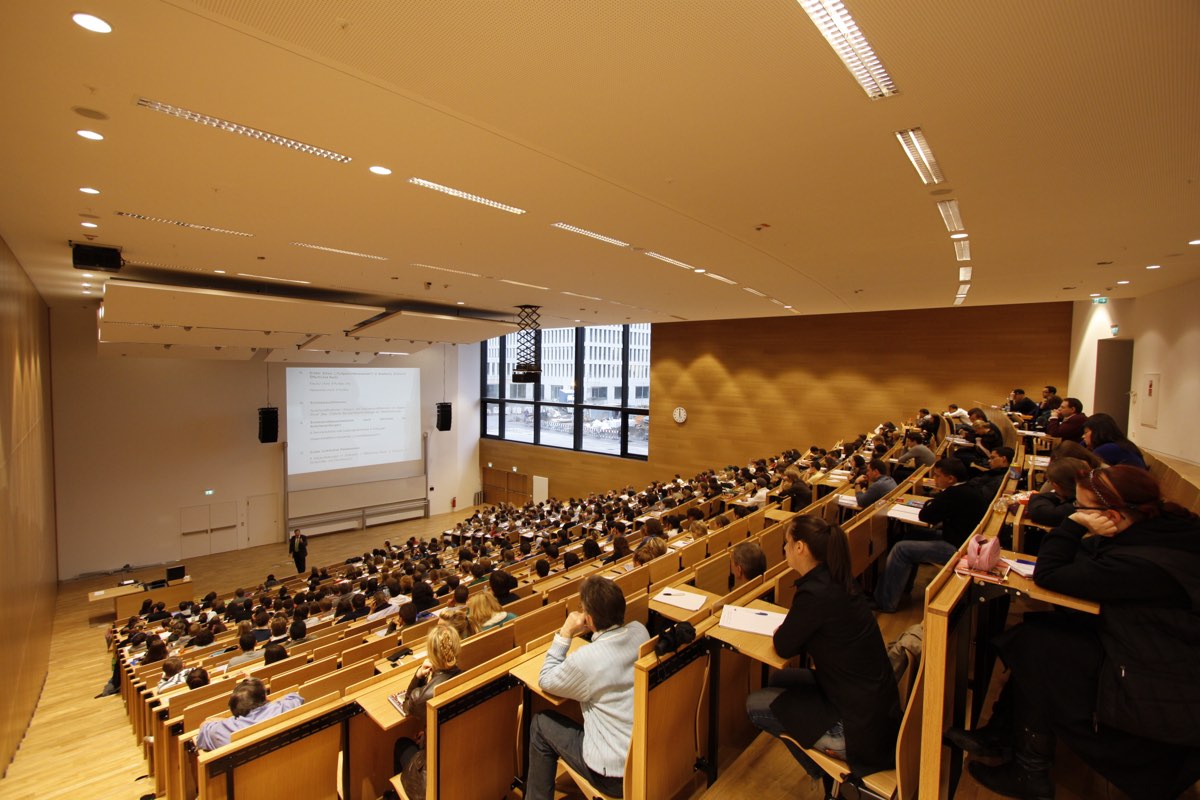
Introduction to Studying in Germany
Germany is the largest non-anglophone study destination in the world, offering high-quality education and diverse cultural experiences. With more than 400 state-recognised higher-education institutions, international students have access to a vast array of programmes at all levels of study.
Public universities charge no tuition in 15 of 16 states, making the main cost living expenses rather than academic fees. This affordability is a significant draw for many students seeking to gain a world-class education without the burden of student debt.
Types of Higher Education Institutions
Germany features three main types of higher education institutions:
- Universities: These are research-oriented and tend to award doctoral degrees. They provide opportunities for students to engage in significant research projects.
- Universities of Applied Sciences (HAW/FH): More practice-oriented, these institutions often include internship semesters in their programmes, giving students hands-on experience.
- Art, Music, and Film Colleges: Admission to these institutions is typically based on a portfolio or audition, enabling students to tailor their studies to specific creative disciplines.
Tuition Fees and Costs
As noted earlier, public universities in 15 of the 16 federal states charge no tuition fees. The only exception is Baden-Württemberg, where non-EU students pay around €1,500 per semester. Regardless of fees, all students must pay a semester contribution (Semesterbeitrag) of roughly €150–€400, usually covering public transport tickets and other administrative costs.
For international students, additional financial considerations include the need for a national visa (Visa D) and a blocked account. The blocked account is typically around €11,904 for one year, meaning students need to budget approximately €992 per month for living expenses.
To learn more about the costs associated with studying in Germany, see our section on tuition fees.
Degree Programmes and Language of Instruction
Germany offers an extensive range of academic programmes. More than 2,000 degree programmes are taught fully in English, primarily at the master’s level. This wide selection allows international students to pursue studies in various fields while improving their German language skills.
Focusing on specific faculties, students can find programmes at institutions listed in the complete directory of German universities, which showcases the diversity and specialization available across the country.
Application Process Overview
The application process for studying in Germany typically begins with gathering the necessary documentation. Students must apply through designated platforms like uni-assist for many universities. Prospective students should be aware of the main application deadlines: 15 July for the winter semester (with courses starting in October) and 15 January for the summer semester (with courses starting in April).
For non-EU students, special documentation may be required, including proof of financial means (the aforementioned blocked account) and other academic credentials.
Post-Graduation Opportunities
Upon graduation, international students receive an 18-month job-seeking residence permit, allowing them to search for work in Germany. During this period, graduates have the opportunity to transition to a work permit or the EU Blue Card, facilitating their professional integration into the German job market.
Students enrolled in degree programmes with internships can also gain practical work experience during their studies, enhancing their employability after graduation.
Working While Studying
International students in Germany are permitted to work while studying, which can offset living expenses. They may work up to 140 full days or 280 half days per year. Being able to manage work and study could provide valuable experience and financial support during their academic journey.
Common Mistakes and How to Avoid Them
Many students make the mistake of waiting until the last minute to gather essential documents for the application process. Starting early can alleviate stress and ensure all paperwork is ready by the deadlines.
Another common error is underestimating living expenses. It’s crucial to understand the document requirements for securing a national visa and managing budgetary constraints throughout the study period. A clear financial plan will make the transition smoother.
Differences by State and Institution Type
The higher education landscape in Germany is shaped by its federal structure, leading to variations in regulations and fees across states. While 15 states offer tuition-free education, the experience and course offerings can differ by institution type.
For instance, universities might emphasize theoretical knowledge more than applied sciences institutions, which focus on preparing students for the job market with practical experience. Students should consider these factors while choosing their preferred study programmes.
Next Steps
After deciding to study in Germany, students should begin their application process by researching specific programmes and institutions that align with their career goals. Planning an informational visit or attending university open days (where possible) can also provide deeper insights into the campus culture.
Finally, staying informed about the latest news related to studying in Germany via official sources like the DAAD will ensure students are well-equipped for their upcoming educational journey.