Bachelor's Degree
Area Studies
African Studies: Language, Arts, Philosophy
University of Bayreuth
⏱ 6 semesters 🎓 Full Time
💰 No tuition fees
at University of Bayreuth · Bayreuth, Bavaria
Duration
4 semesters
Tuition
No tuition fees
Intake
Winter semester, Summer semester
Mode
Full Time
The Master's programme in Battery Materials and Technology at the University of Bayreuth is designed for individuals passionate about advancing the field of electrochemical energy storage. This 4-semester course provides an in-depth exploration of the science behind battery materials and their practical applications in the energy sector. Students will engage with cutting-edge research and the latest technologies, acquiring both theoretical knowledge and hands-on experience.
Structured to include a combination of modules, the programme enables students to gain 120 ECTS credits, culminating in a master's thesis. This thesis is a key component of the degree, allowing students to conduct substantial independent research under guidance. The applied nature of this programme is further enhanced by opportunities for internships or practical semesters, aligning academic learning with real-world industry applications.
Students will develop critical skills such as material characterization, electrochemical analysis, and battery design, making them well-equipped to tackle modern challenges in energy storage and sustainability. This programme is ideally suited for engineering graduates or professionals seeking to deepen their expertise in battery technology, particularly those interested in contributing to sustainable solutions in the energy landscape.
The industries that typically hire graduates from this programme include the automotive sector, renewable energy companies, and technology firms specializing in electronic devices. Graduates can take advantage of Germany's robust Mittelstand (small to medium-sized enterprises) and larger corporations actively involved in battery technology and sustainable energy solutions. Additionally, international students can benefit from an 18-month post-study job-seeking permit, allowing them to explore employment opportunities in Germany after completing their studies.
It typically takes 4 semesters, with intakes in Winter semester, Summer semester.
Tuition is around No tuition fees. Fees change yearly — confirm with an advisor.
Battery EngineerResearch Scientist in Energy StorageMaterials ScientistProduct Development EngineerQuality Assurance Specialist The industries that typically hire graduates from this programme include the automotive sector, renewable energy companies, and technology firms special...
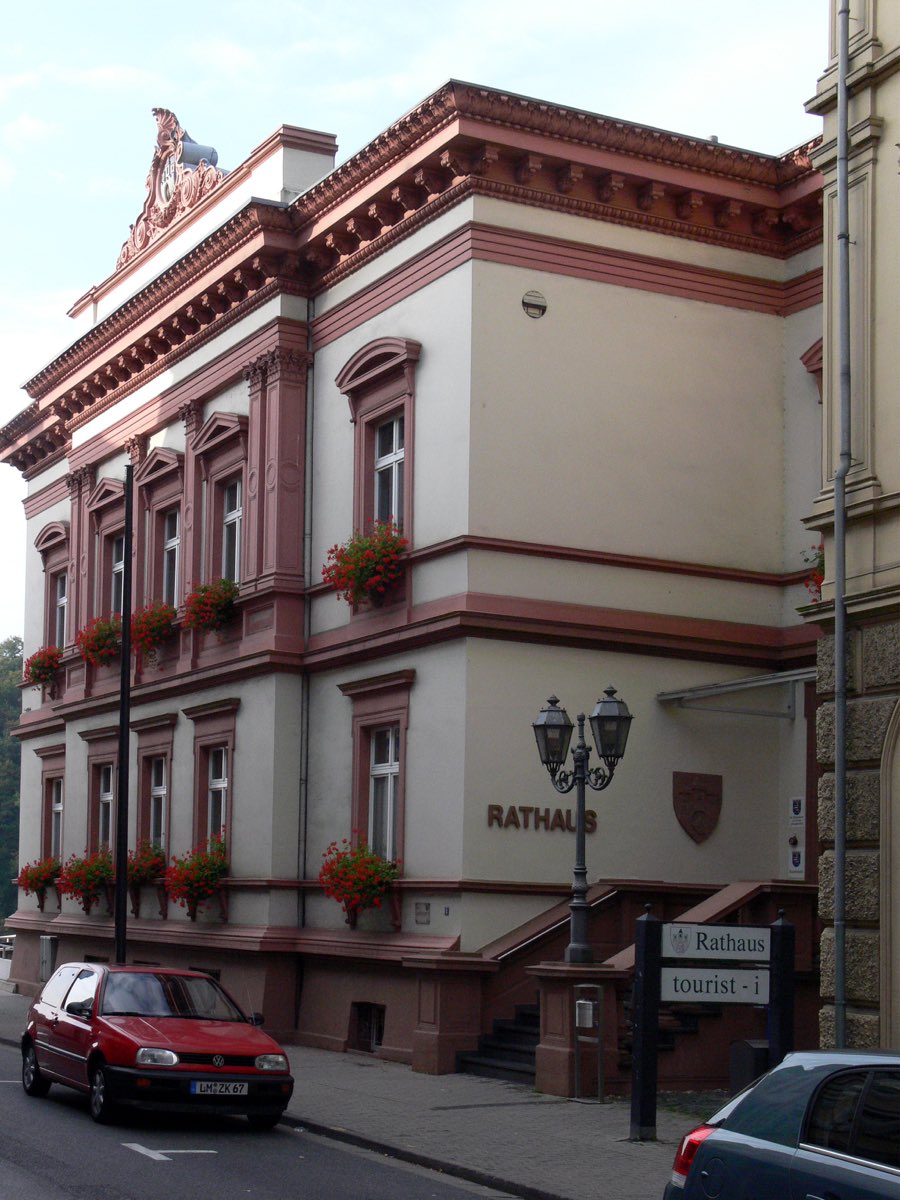 Application Guides How to Apply to a German University: uni-assist, anabin and Deadlines
Most international students apply to German universities through uni-assist, with key deadlines typically set for July 15 and January 15.
Application Guides How to Apply to a German University: uni-assist, anabin and Deadlines
Most international students apply to German universities through uni-assist, with key deadlines typically set for July 15 and January 15.
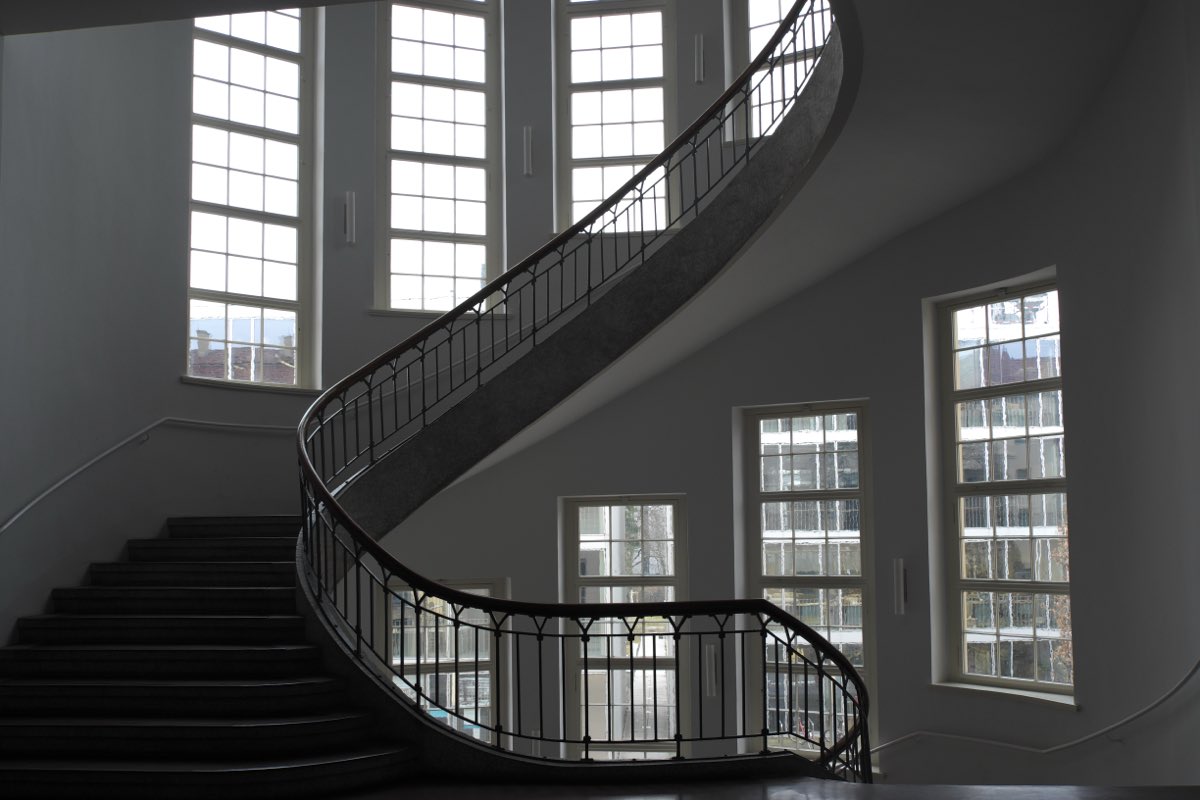 Rankings & Comparisons University or Hochschule? Choosing Between Research and Applied Sciences in Germany
Choosing between a university and a Hochschule in Germany depends on your career goals and whether you prefer a research or practice-led education.
Rankings & Comparisons University or Hochschule? Choosing Between Research and Applied Sciences in Germany
Choosing between a university and a Hochschule in Germany depends on your career goals and whether you prefer a research or practice-led education.
 Application Guides uni-assist Explained: How International Applications to German Universities Really Work
uni-assist simplifies the application process to 210 German institutions, verifying qualifications and forwarding applications to universities.
Application Guides uni-assist Explained: How International Applications to German Universities Really Work
uni-assist simplifies the application process to 210 German institutions, verifying qualifications and forwarding applications to universities.
University of Bayreuth
University of Regensburg
Heilbronn University of Applied Sciences
Technische Hochschule Ingolstadt
Carl von Ossietzky University of Oldenburg
Aalen University