Bachelor's Degree
Economics
Bachelor's in European Economic Studies (BSc EES)
University of Bamberg
⏱ 6 semesters 🎓 Full Time
💰 No tuition fees
at Kiel University · Kiel, Schleswig-Holstein
Duration
4 semesters
Tuition
No tuition fees
Intake
Winter semester, Summer semester
Mode
Full Time
The Master of Science in Economics at Kiel University provides a comprehensive understanding of various economic theories and practices. This program covers essential topics such as microeconomics, macroeconomics, econometrics, and applied economics, equipping students with analytical and quantitative skills necessary for tackling real-world economic challenges. The curriculum is designed to foster critical thinking and applied research through a blend of theoretical knowledge and practical application.
Structured over four semesters, the program incorporates modules that enhance the academic journey, complemented by a Master's thesis project that allows students to delve deeply into a specific area of interest within economics. At Kiel University, students benefit from a collaborative learning environment, with a focus on interactive classes and critical discussions. The program also includes an emphasis on data analysis and economic modeling, empowering graduates to make informed decisions in various economic contexts.
The German higher education system is known for its robust academic standards and research opportunities. With no tuition fees, students can focus on their studies while benefiting from various internship opportunities, particularly in Kiel’s thriving Mittelstand and various industries. This structure allows for real-world application of learned concepts, critical for those looking to enhance their employability in the job market.
This Master’s program is ideally suited for individuals interested in pursuing careers in economics, data analysis, and policy-making. It attracts students with a strong quantitative background, who are eager to apply their skills in a global context and contribute to economic research and practice. Graduates are well-prepared for dynamic roles in both academia and industry.
Industries that commonly hire graduates include finance, governmental agencies, international organizations, and consultancies, particularly within the growing sectors of the German economy.
It typically takes 4 semesters, with intakes in Winter semester, Summer semester.
Tuition is around No tuition fees. Fees change yearly — confirm with an advisor.
Economic Analyst in financial institutions and consultanciesData Scientist specializing in economic modelingPolicy Advisor for governmental and non-governmental organizationsResearcher in academic or think-tank settingsMarket Research Analyst in private sector Industries that com...
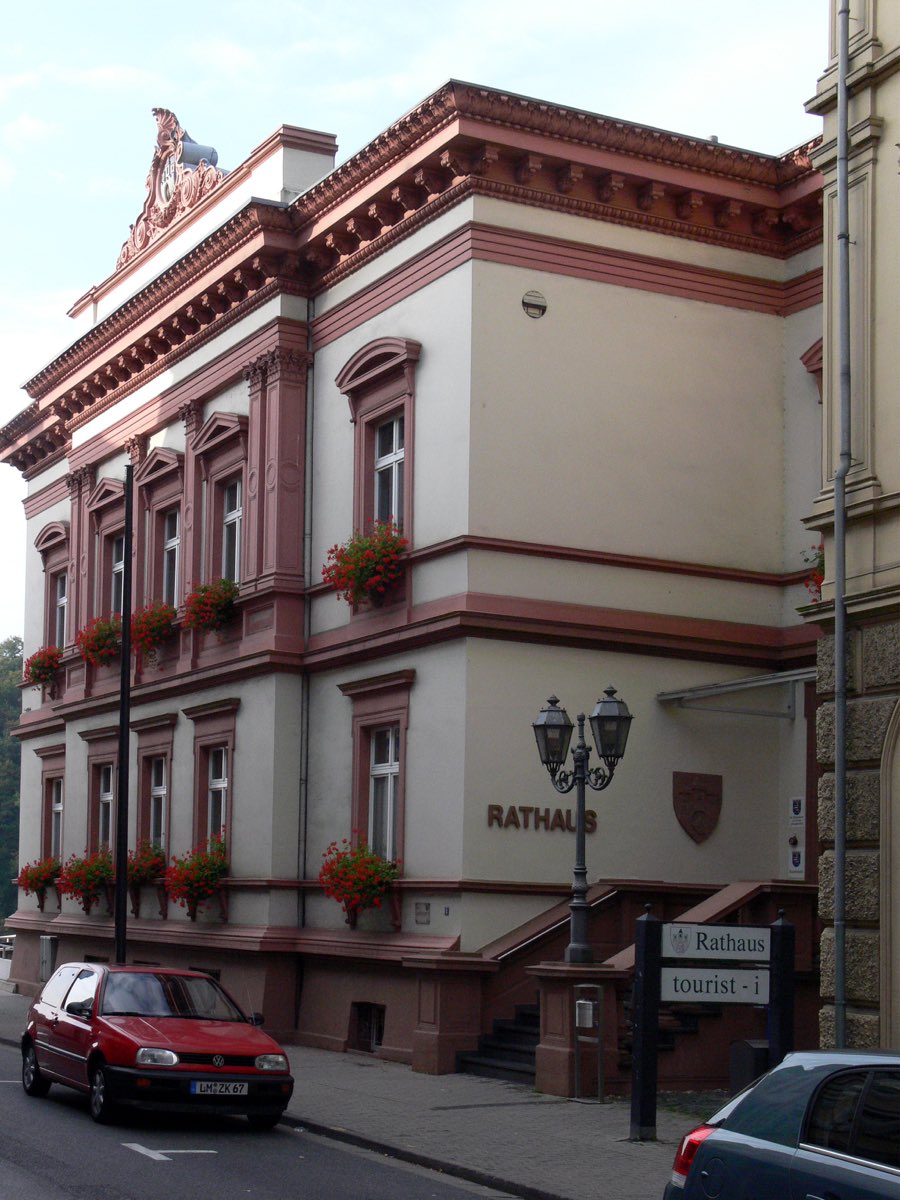 Application Guides How to Apply to a German University: uni-assist, anabin and Deadlines
Most international students apply to German universities through uni-assist, with key deadlines typically set for July 15 and January 15.
Application Guides How to Apply to a German University: uni-assist, anabin and Deadlines
Most international students apply to German universities through uni-assist, with key deadlines typically set for July 15 and January 15.
 Rankings & Comparisons University or Hochschule? Choosing Between Research and Applied Sciences in Germany
Choosing between a university and a Hochschule in Germany depends on your career goals and whether you prefer a research or practice-led education.
Rankings & Comparisons University or Hochschule? Choosing Between Research and Applied Sciences in Germany
Choosing between a university and a Hochschule in Germany depends on your career goals and whether you prefer a research or practice-led education.
 Application Guides uni-assist Explained: How International Applications to German Universities Really Work
uni-assist simplifies the application process to 210 German institutions, verifying qualifications and forwarding applications to universities.
Application Guides uni-assist Explained: How International Applications to German Universities Really Work
uni-assist simplifies the application process to 210 German institutions, verifying qualifications and forwarding applications to universities.
University of Bamberg
Technical University of Munich
Technical University of Munich
Leuphana University Lüneburg
Osnabrück University of Applied Sciences
Kiel University