Bachelor's Degree
Computer Science
Applied Artificial Intelligence (AAI)
Rosenheim Technical University of Applied Sciences
⏱ 7 semesters 🎓 Full Time
at Deggendorf Institute of Technology · Deggendorf, Bavaria
Duration
3 semesters
Tuition
On request
Intake
Summer semester
Mode
Full Time
The Master of Science in High Performance Computing and Quantum Computing at the Deggendorf Institute of Technology is designed to equip students with advanced knowledge in the fields of high-performance computing and quantum systems. This programme integrates theoretical foundations with practical applications, focusing on the development of algorithms, systems, and tools essential for processing and analyzing large datasets. Students will delve into innovative computing techniques and explore the intersection of classical and quantum computing paradigms.
The structure of the degree spans three semesters, with a curriculum consisting of various modules that provide a robust understanding of computer science principles, high-performance systems, and quantum computing methodologies. Each module is designed to enhance specific competencies, contributing toward the acquisition of European Credit Transfer and Accumulation System (ECTS) credits culminating in a thesis project. For universities of applied sciences like Deggendorf, practical experience is emphasized, and students may opt for an internship or a practical semester to gain valuable industry exposure.
Students in this programme will develop critical skills in algorithm design, parallel programming, quantum information theory, and computational modeling. Additionally, they will learn to navigate complex computing environments, analyze performance metrics, and utilize modern computing resources effectively. This master’s programme is ideally suited for individuals with a background in computer science or related disciplines who are looking to advance their careers in the rapidly evolving fields of high-performance and quantum computing.
In the context of Germany's vibrant tech landscape, graduates can anticipate opportunities in various sectors including academia, research institutions, software companies, and industries with high computational needs. The strong emphasis on practical experience aligns well with the needs of the Mittelstand, Germany's renowned small and medium-sized enterprises, which are often looking for skilled professionals capable of tackling sophisticated data challenges. Moreover, international students benefit from an 18-month post-study job-seeking permit, allowing them to explore evolving job market opportunities while working.
It typically takes 3 semesters, with intakes in Summer semester.
Quantum Computing ResearcherHigh-Performance Computing SpecialistData ScientistSoftware Developer in Computational ApplicationsSystems Architect in ITAI and Machine Learning EngineerIn the context of Germany's vibrant tech landscape, graduates can anticipate opportunities in vari...
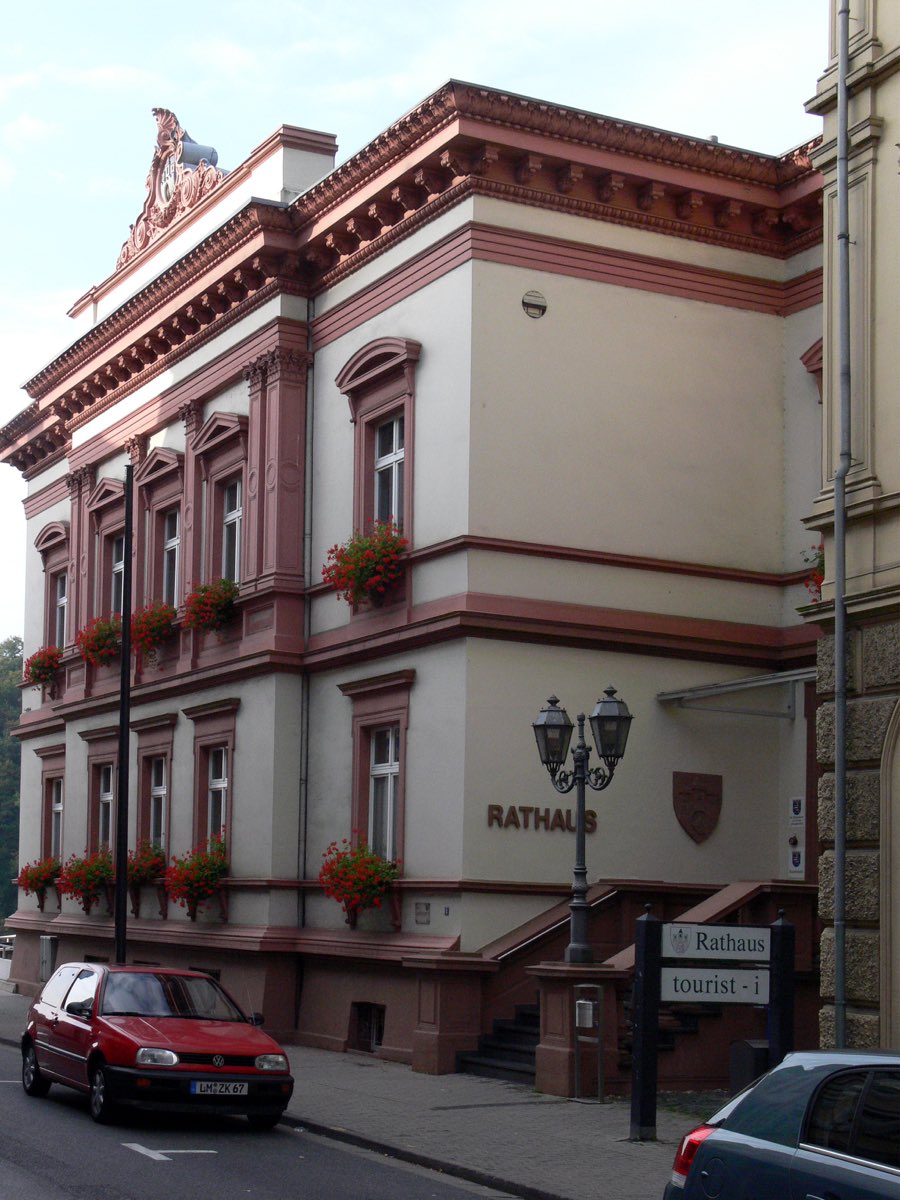 Application Guides How to Apply to a German University: uni-assist, anabin and Deadlines
Most international students apply to German universities through uni-assist, with key deadlines typically set for July 15 and January 15.
Application Guides How to Apply to a German University: uni-assist, anabin and Deadlines
Most international students apply to German universities through uni-assist, with key deadlines typically set for July 15 and January 15.
 Rankings & Comparisons University or Hochschule? Choosing Between Research and Applied Sciences in Germany
Choosing between a university and a Hochschule in Germany depends on your career goals and whether you prefer a research or practice-led education.
Rankings & Comparisons University or Hochschule? Choosing Between Research and Applied Sciences in Germany
Choosing between a university and a Hochschule in Germany depends on your career goals and whether you prefer a research or practice-led education.
 Rankings & Comparisons Studying Computer Science in Germany: Universities, Entry Requirements and Careers
Computer science has 143 programmes at 210 institutions in Germany, many offering no tuition fees and a strong demand in the job market.
Rankings & Comparisons Studying Computer Science in Germany: Universities, Entry Requirements and Careers
Computer science has 143 programmes at 210 institutions in Germany, many offering no tuition fees and a strong demand in the job market.
Rosenheim Technical University of Applied Sciences
Weihenstephan-Triesdorf University of Applied Sciences
Friedrich-Alexander-Universität Erlangen-Nürnberg
Deggendorf Institute of Technology
Deggendorf Institute of Technology
Deggendorf Institute of Technology