Bachelor's Degree
Civil Engineering
Civil Engineering and Construction Management
Biberach University of Applied Sciences
⏱ 6 semesters 🎓 Full Time
at University of Erfurt · Erfurt, Thuringia
Duration
3 semesters
Tuition
No tuition fees
Intake
Summer semester
Mode
Full Time
The Master's Degree in Sustainable Engineering of Infrastructure (SEI) at the University of Erfurt is designed to equip students with advanced competencies in civil engineering with a strong focus on sustainability practices. Over the span of three semesters, students engage in a rigorous curriculum that incorporates theory and practical application, enhancing their understanding of sustainable infrastructure development. Courses typically cover topics such as sustainable materials, energy-efficient designs, and innovative construction techniques that make a positive environmental impact.
German higher education institutions, like the University of Erfurt, adopt a modular structure that allows students to earn ECTS (European Credit Transfer and Accumulation System) credits for each successful module completion. The program culminates in a master’s thesis, enabling students to conduct independent research on a topic pertinent to sustainable engineering. This structure not only promotes in-depth knowledge retention but ensures that students are thoroughly prepared for real-world challenges.
The SEI programme is particularly well-suited for those who hold a bachelor’s degree in civil engineering or a related field and are passionate about improving the sustainability of infrastructure. Students gain essential skills including project management, advanced analytical skills, and the ability to work within interdisciplinary teams, which are crucial in today’s job market.
In addition to theoretical knowledge, the University of Erfurt emphasizes practical experience, preparing graduates to thrive in the competitive German job market. With partners in the thriving German Mittelstand, students can often benefit from networking opportunities and internships that enhance employability and hands-on experience.
Typical industries hiring graduates include construction, environmental services, urban development, and renewable energy sectors. The 18-month post-study job-seeking permit allows graduates to explore employment opportunities in Germany, where they can apply their skills in a diverse and innovative environment.
It typically takes 3 semesters, with intakes in Summer semester.
Tuition is around No tuition fees. Fees change yearly — confirm with an advisor.
Infrastructure EngineerSustainability ConsultantProject Manager in Civil EngineeringUrban PlannerTypical industries hiring graduates include construction, environmental services, urban development, and renewable energy sectors. The 18-month post-study job-seeking permit allows gr...
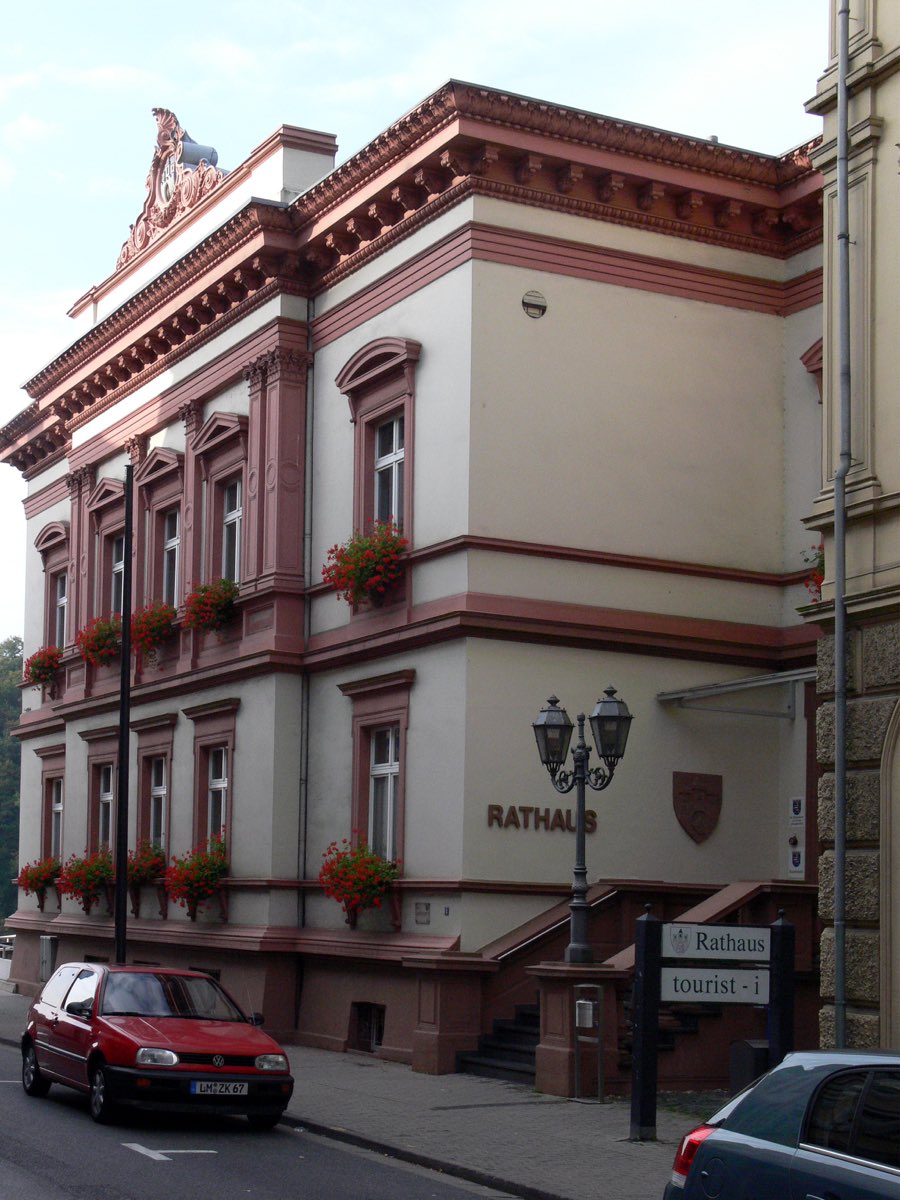 Application Guides How to Apply to a German University: uni-assist, anabin and Deadlines
Most international students apply to German universities through uni-assist, with key deadlines typically set for July 15 and January 15.
Application Guides How to Apply to a German University: uni-assist, anabin and Deadlines
Most international students apply to German universities through uni-assist, with key deadlines typically set for July 15 and January 15.
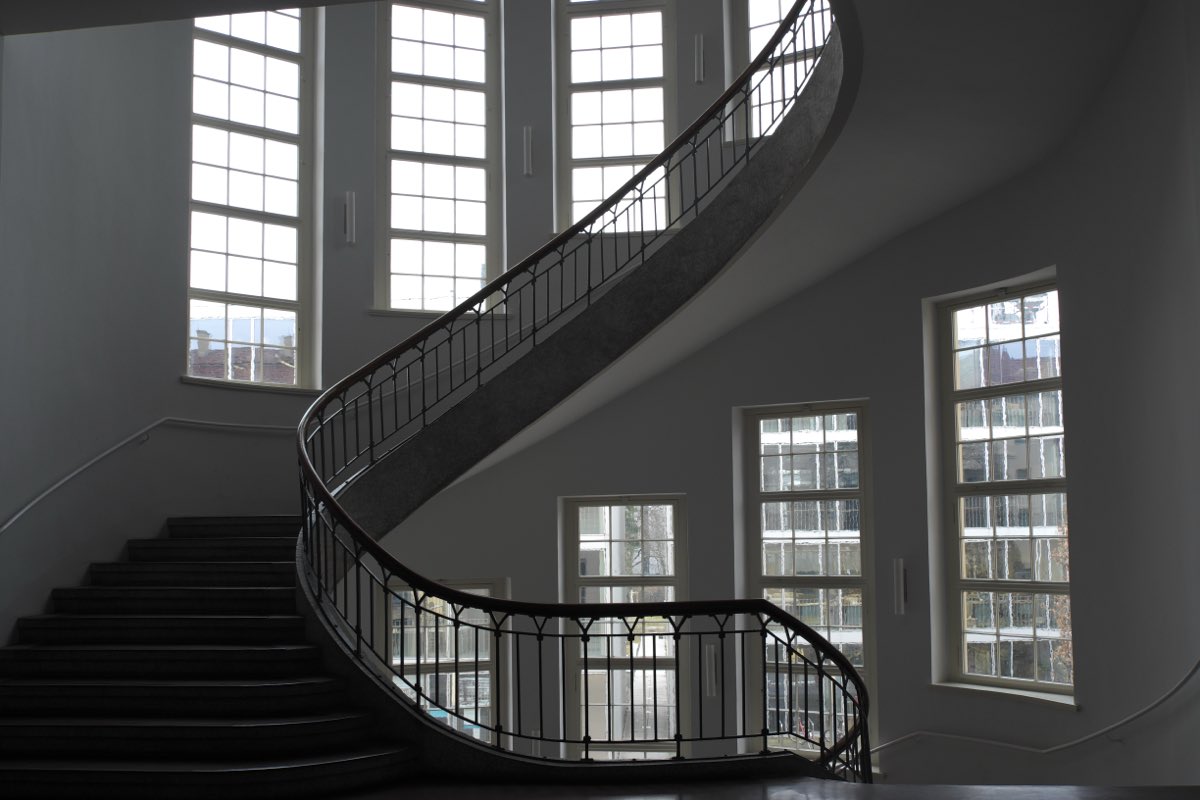 Rankings & Comparisons University or Hochschule? Choosing Between Research and Applied Sciences in Germany
Choosing between a university and a Hochschule in Germany depends on your career goals and whether you prefer a research or practice-led education.
Rankings & Comparisons University or Hochschule? Choosing Between Research and Applied Sciences in Germany
Choosing between a university and a Hochschule in Germany depends on your career goals and whether you prefer a research or practice-led education.
 Application Guides uni-assist Explained: How International Applications to German Universities Really Work
uni-assist simplifies the application process to 210 German institutions, verifying qualifications and forwarding applications to universities.
Application Guides uni-assist Explained: How International Applications to German Universities Really Work
uni-assist simplifies the application process to 210 German institutions, verifying qualifications and forwarding applications to universities.
Biberach University of Applied Sciences
Johannes Gutenberg University Mainz
University of Duisburg-Essen
Technische Hochschule Ingolstadt
RWTH Aachen University
Technical University of Munich