Bachelor's Degree
Computer Science
Artificial Intelligence BSc
Friedrich-Alexander-Universität Erlangen-Nürnberg
⏱ 6 semesters 🎓 Full Time
at Friedrich-Alexander-Universität Erlangen-Nürnberg · Erlangen, Bavaria
Duration
4 semesters
Tuition
On request
Intake
Winter semester
Mode
Online
The Master's degree program in Computational Molecular and Materials Science at Friedrich-Alexander-Universität Erlangen-Nürnberg is a comprehensive course designed for those interested in the intersection of materials science, computational modeling, and molecular research. This program covers innovative topics, equipping students with cutting-edge knowledge and skills in simulating complex materials and molecular systems.
The program spans over four semesters and is structured around various modules that include both theoretical and practical components. Students earn ECTS credits as they progress through the curriculum, which culminates in a master's thesis. This thesis involves substantial research, allowing students to apply their knowledge and showcase their findings.
Particularly well-suited for those interested in pursuing careers in research, industry, or academia, the program emphasizes hands-on experience through internships or practical semesters, essential for bridging the gap between theoretical knowledge and real-world application. Students engage with industry partners and research institutions, fostering connections beneficial for future employment opportunities.
Students completing this program will gain vital skills in computational modeling, analytical thinking, and problem-solving, all of which are crucial in today's highly competitive job market. This degree is especially suited for individuals with a background in materials science, chemistry, physics, or related fields.
This program prepares graduates for various roles in the German industry, including positions in the robust Mittelstand (small to medium-sized enterprises) and larger corporations focusing on materials, chemistry, and nanotechnology. The 18-month post-study job-seeking permit allows graduates to explore job opportunities in Germany efficiently, making it an attractive choice for international students.
It typically takes 4 semesters, with intakes in Winter semester.
Research Scientist in Materials ScienceComputational ChemistProduct Development Engineer in the Chemical IndustryData Scientist in Pharmaceutical or Biotech CompaniesMaterials Engineer in Automotive IndustriesConsultant for Materials and NanotechnologyThis program prepares gradua...
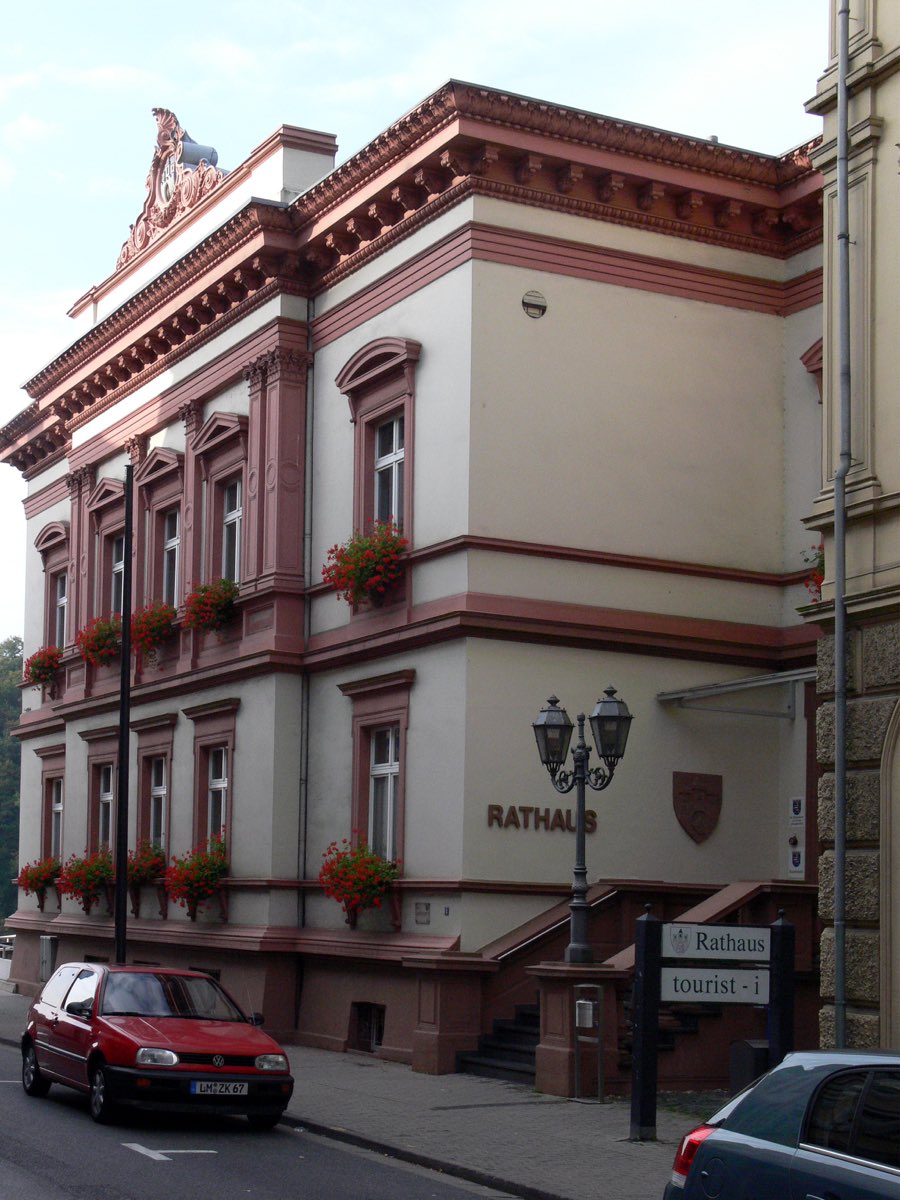 Application Guides How to Apply to a German University: uni-assist, anabin and Deadlines
Most international students apply to German universities through uni-assist, with key deadlines typically set for July 15 and January 15.
Application Guides How to Apply to a German University: uni-assist, anabin and Deadlines
Most international students apply to German universities through uni-assist, with key deadlines typically set for July 15 and January 15.
 Rankings & Comparisons University or Hochschule? Choosing Between Research and Applied Sciences in Germany
Choosing between a university and a Hochschule in Germany depends on your career goals and whether you prefer a research or practice-led education.
Rankings & Comparisons University or Hochschule? Choosing Between Research and Applied Sciences in Germany
Choosing between a university and a Hochschule in Germany depends on your career goals and whether you prefer a research or practice-led education.
 Application Guides uni-assist Explained: How International Applications to German Universities Really Work
uni-assist simplifies the application process to 210 German institutions, verifying qualifications and forwarding applications to universities.
Application Guides uni-assist Explained: How International Applications to German Universities Really Work
uni-assist simplifies the application process to 210 German institutions, verifying qualifications and forwarding applications to universities.
Friedrich-Alexander-Universität Erlangen-Nürnberg
Friedrich-Alexander-Universität Erlangen-Nürnberg
Friedrich-Alexander-Universität Erlangen-Nürnberg
Friedrich-Alexander-Universität Erlangen-Nürnberg
Friedrich-Alexander-Universität Erlangen-Nürnberg
Kaiserslautern University of Applied Sciences