Master's Degree
Biomedical Science
Cellular & Molecular Neuroscience
University of Tübingen
⏱ 4 semesters 🎓 Full Time
at Hannover Medical School · Hannover, Lower Saxony
Duration
6 semesters
Tuition
No tuition fees
Intake
Winter semester
Mode
Full Time
The PhD Programme in Infection Biology at Hannover Medical School is a research-oriented degree that focuses on the biological mechanisms of infections. This program is ideal for those who are looking to delve deeply into the complexities of microbial pathogens, their interactions with host organisms, and the pathological processes that result from infections. Participants will engage in cutting-edge research, exploring both fundamental and applied aspects of infection biology, which is crucial in today's global health landscape.
Structured over six semesters, the program is designed to foster critical thinking and innovation in biomedical science. Students will have the opportunity to work closely with esteemed faculty and collaborate on interdisciplinary projects, often involving both theoretical and practical work. The program culminates in a doctoral thesis, which provides students with the chance to contribute original research to the field. The environment at Hannover Medical School is enriched by its partnerships with leading healthcare institutions and industry stakeholders in Germany.
A significant feature of this program is the emphasis on acquiring a comprehensive skill set, which includes advanced research methodologies, analytical techniques, and the ability to communicate scientific findings effectively. This PhD programme is suited for individuals who are motivated, with a strong background in biological or biomedical sciences, and who possess a desire to influence the future of medical science through research.
Beyond the academic rigor, students at Hannover Medical School benefit from a vibrant international community. The German education system, especially at a public university, provides a wealth of resources and an environment conducive to innovative research. Furthermore, graduates enjoy an 18-month post-study job-seeking permit, facilitating entry into Germany's robust medical and biomedical sectors, whether in academia, research institutions, or the growing biotechnology and pharmaceutical industries.
It typically takes 6 semesters, with intakes in Winter semester.
Tuition is around No tuition fees. Fees change yearly — confirm with an advisor.
Research Scientist in Infection BiologyPostdoctoral Researcher in Biomedical ScienceClinical Research CoordinatorPharmaceutical Industry ResearcherPublic Health Analyst
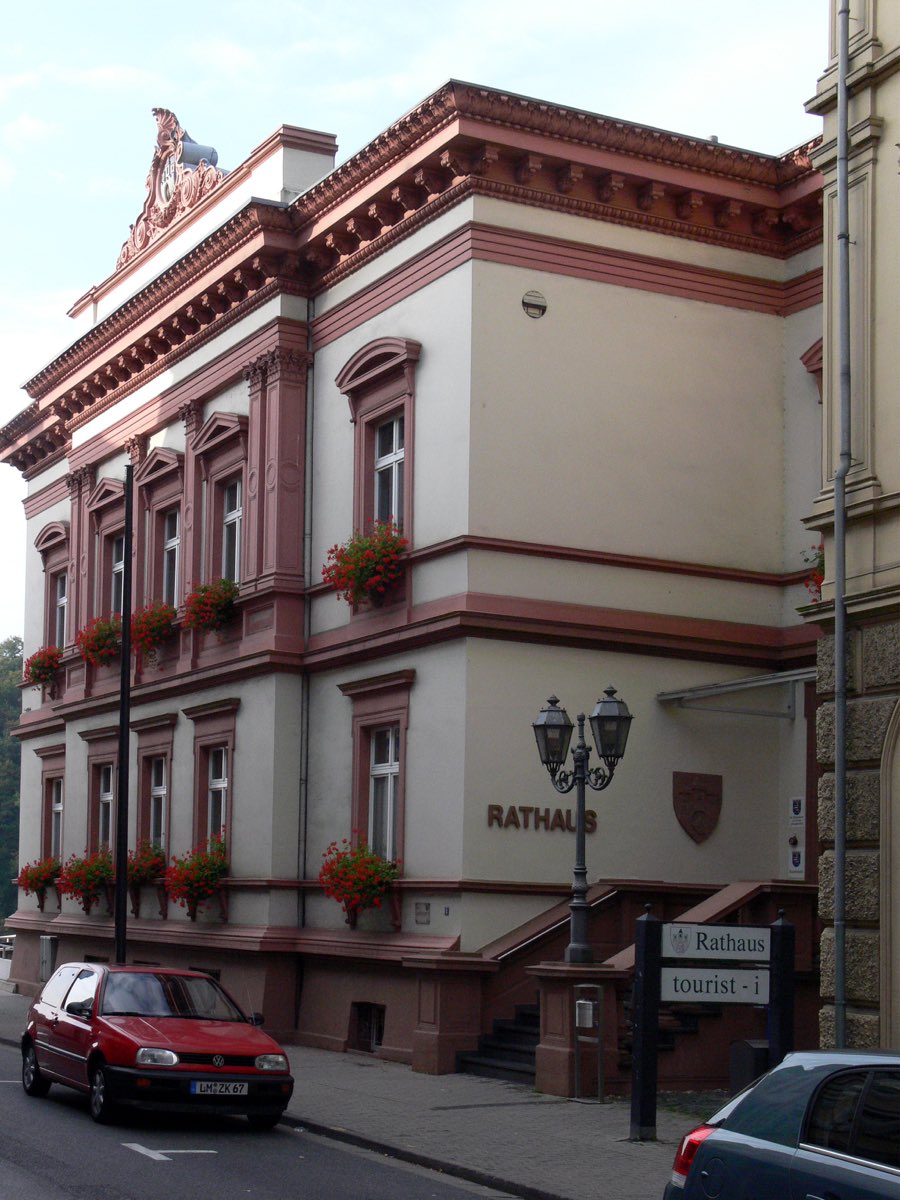 Application Guides How to Apply to a German University: uni-assist, anabin and Deadlines
Most international students apply to German universities through uni-assist, with key deadlines typically set for July 15 and January 15.
Application Guides How to Apply to a German University: uni-assist, anabin and Deadlines
Most international students apply to German universities through uni-assist, with key deadlines typically set for July 15 and January 15.
 Rankings & Comparisons University or Hochschule? Choosing Between Research and Applied Sciences in Germany
Choosing between a university and a Hochschule in Germany depends on your career goals and whether you prefer a research or practice-led education.
Rankings & Comparisons University or Hochschule? Choosing Between Research and Applied Sciences in Germany
Choosing between a university and a Hochschule in Germany depends on your career goals and whether you prefer a research or practice-led education.
 Application Guides uni-assist Explained: How International Applications to German Universities Really Work
uni-assist simplifies the application process to 210 German institutions, verifying qualifications and forwarding applications to universities.
Application Guides uni-assist Explained: How International Applications to German Universities Really Work
uni-assist simplifies the application process to 210 German institutions, verifying qualifications and forwarding applications to universities.
University of Tübingen
Ludwig-Maximilians-Universität München
Technische Universität Berlin
Friedrich Schiller University Jena
Heidelberg University
Friedrich-Alexander-Universität Erlangen-Nürnberg