Bachelor's Degree
German Studies
BA German Studies in Cultural Comparison
Heidelberg University
⏱ 6 semesters 🎓 Full Time
at Heidelberg University · Heidelberg, Baden-Württemberg
Duration
4 semesters
Tuition
On request
Intake
Winter semester
Mode
Full Time
The Master's programme in Molecular Systems Science and Engineering (MSSE) at Heidelberg University is designed to provide students with a robust understanding of the interdisciplinary field that merges molecular science with engineering principles. Building on applied physics, the programme emphasizes the development and analysis of complex molecular systems, addressing challenges such as energy conversion, system biology, and nanotechnology.
The curriculum is structured across four semesters, combining theoretical instruction with practical experience. Students learn through a series of modules that account for ECTS credits, allowing for a smooth transition into their thesis work in the final semester. The experience culminates in a comprehensive thesis that often involves collaboration with industry partners, enhancing the integration of academic knowledge and practical application.
A significant feature of the MSSE programme is its focus on equipping students with essential skills in systems thinking, advanced analytical techniques, and interdisciplinary collaboration. By working closely with peers and faculty, students develop competencies in problem-solving and critical thinking, preparing them for the complexities of modern scientific research and engineering.
This programme is suitable for students who have a strong foundation in physics, chemistry, or related fields and are eager to explore the interface of these disciplines with engineering. The academic environment at Heidelberg, combined with its network of local industries and research institutions, makes it an ideal choice for aspiring scientists and engineers.
Graduates of the MSSE programme can find roles in various sectors, particularly in Germany's significant Mittelstand companies and innovative startups. With the 18-month job-seeking permit following graduation, international students can maximize their career opportunities in the vibrant German job market while contributing to leading-edge research and development.
It typically takes 4 semesters, with intakes in Winter semester.
Research Scientist in BiotechnologyMolecular Engineer in Pharmaceutical IndustryData Analyst in NanotechnologyQuality Control Specialist in Chemical ManufacturingSystems Engineer in Energy SectorGraduates of the MSSE programme can find roles in various sectors, particularly in Ge...
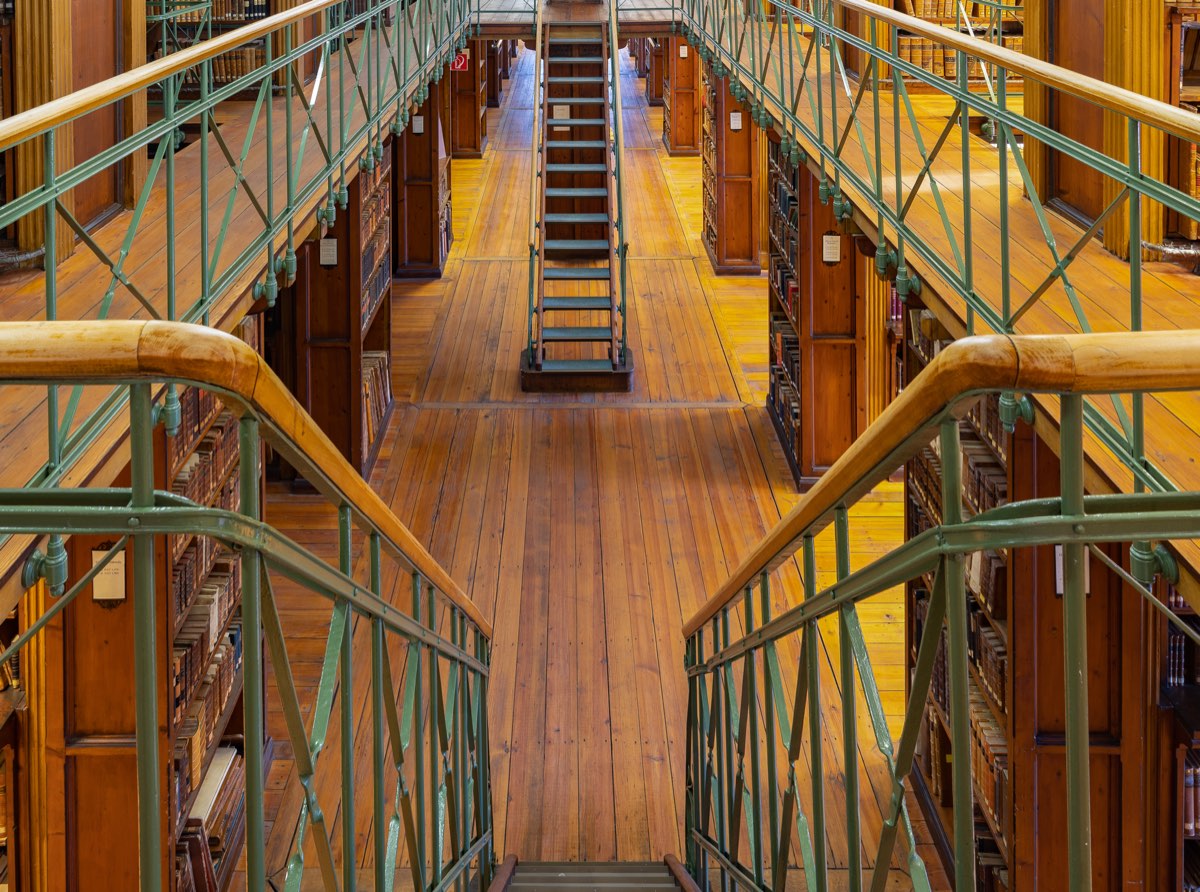 Application Guides How to Apply to a German University: uni-assist, anabin and Deadlines
Most international students apply to German universities through uni-assist, with key deadlines typically set for July 15 and January 15.
Application Guides How to Apply to a German University: uni-assist, anabin and Deadlines
Most international students apply to German universities through uni-assist, with key deadlines typically set for July 15 and January 15.
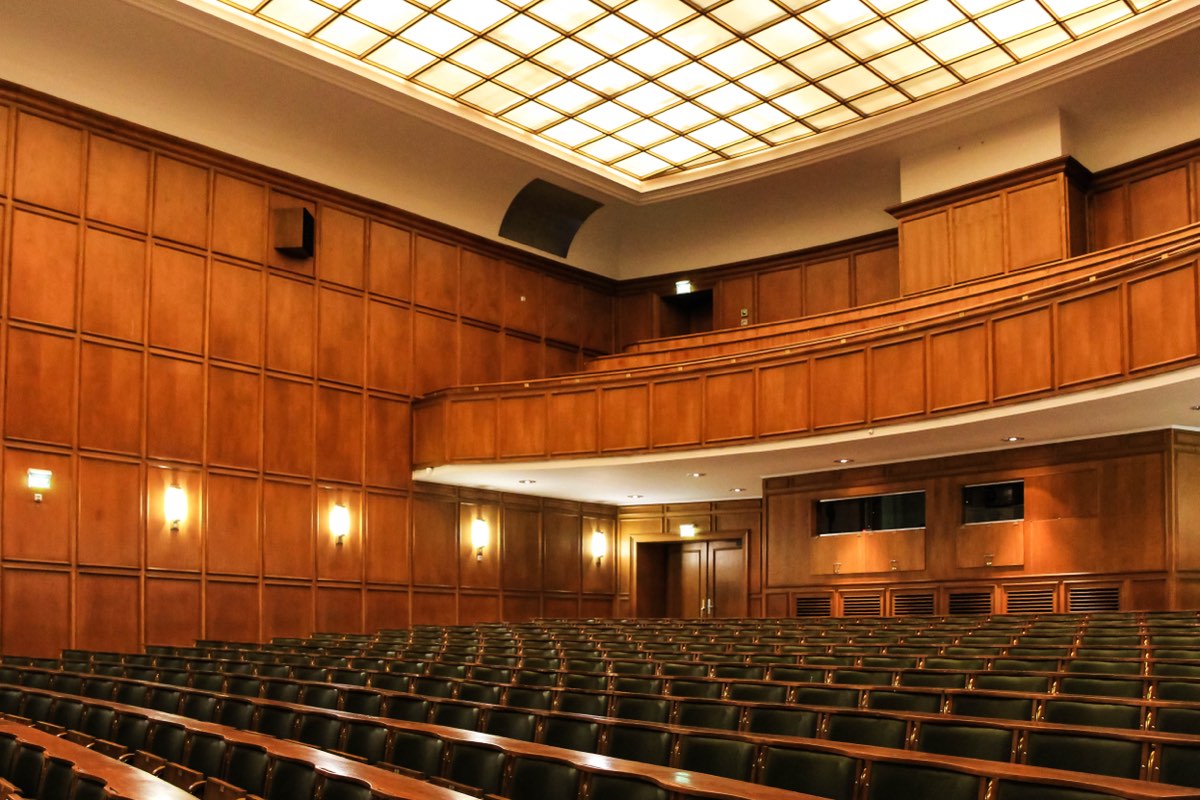 Rankings & Comparisons University or Hochschule? Choosing Between Research and Applied Sciences in Germany
Choosing between a university and a Hochschule in Germany depends on your career goals and whether you prefer a research or practice-led education.
Rankings & Comparisons University or Hochschule? Choosing Between Research and Applied Sciences in Germany
Choosing between a university and a Hochschule in Germany depends on your career goals and whether you prefer a research or practice-led education.
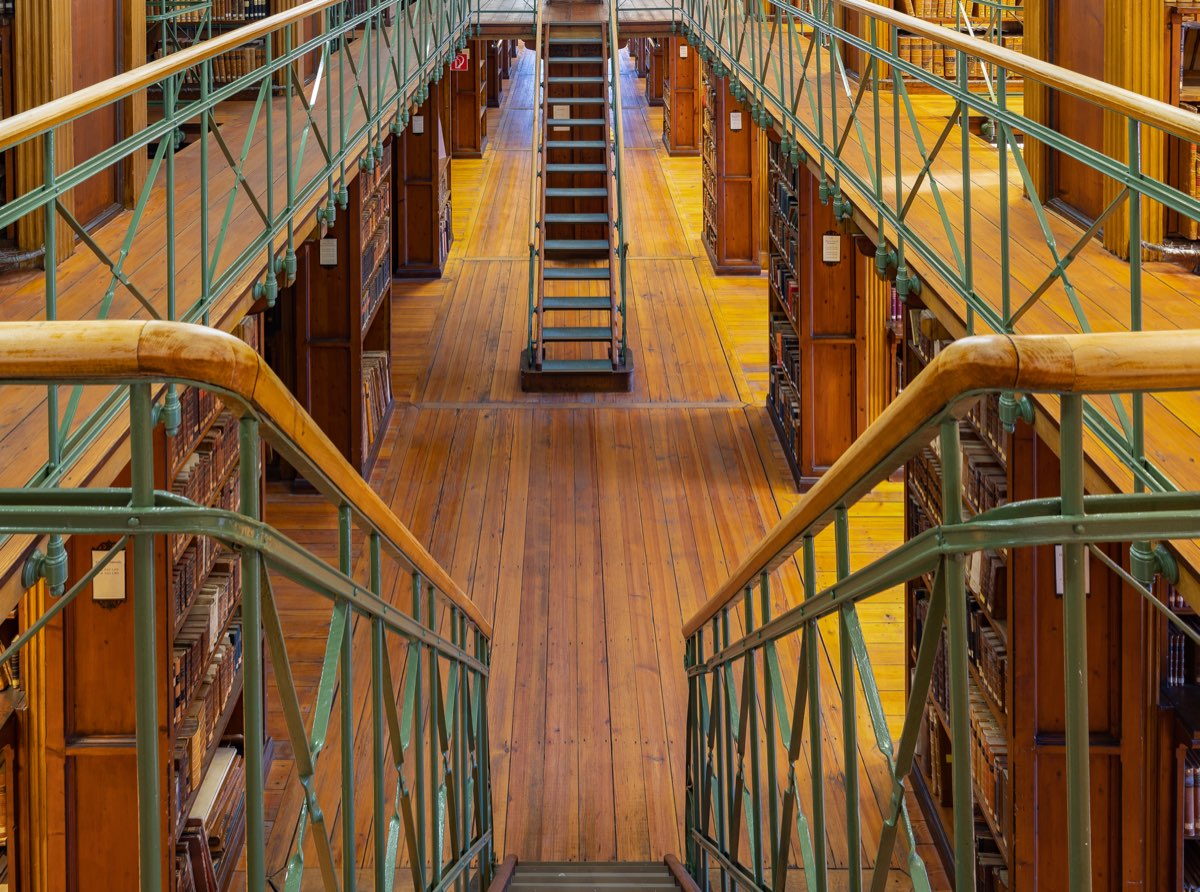 Application Guides uni-assist Explained: How International Applications to German Universities Really Work
uni-assist simplifies the application process to 210 German institutions, verifying qualifications and forwarding applications to universities.
Application Guides uni-assist Explained: How International Applications to German Universities Really Work
uni-assist simplifies the application process to 210 German institutions, verifying qualifications and forwarding applications to universities.
Heidelberg University
Coburg University of Applied Sciences and Arts
Technical University of Munich
Heidelberg University
TU Bergakademie Freiberg
Max Planck Institute for the Science of Light