Bachelor's Degree
Agribusiness
Agribusiness BA
Rhine-Waal University of Applied Sciences
⏱ 7 semesters 🎓 Full Time
💰 No tuition fees
at Rhine-Waal University of Applied Sciences · Kleve, North Rhine-Westphalia
Duration
3 semesters
Tuition
No tuition fees
Intake
Winter semester, Summer semester
Mode
Full Time
The Master's degree in Sustainable Development Management at Rhine-Waal University of Applied Sciences is designed to equip students with the knowledge and skills necessary to address complex challenges in sustainability. This program delves into various aspects of sustainable development, covering topics such as environmental policy, resource management, and social equity. Students engage with interdisciplinary approaches that integrate political science, economics, and environmental studies to formulate policies and strategies aiming for a sustainable future.
Structured over three semesters, the program typically includes a combination of theoretical modules and practical applications, following the ECTS (European Credit Transfer and Accumulation System) framework. This enables students to gain a comprehensive understanding of the field, while also accumulating credits that support their academic and professional progression. In addition, as a university of applied sciences, the program includes an emphasis on practical experiences, encouraging students to undertake internships or project work within relevant industries.
Students of this program will develop a range of competencies, including critical thinking, project management, and the ability to analyze and formulate effective strategies for sustainable development. These skills are essential for addressing the multifaceted challenges posed by climate change, resource scarcity, and social injustice. The program is well-suited for individuals with a background in political science, environmental studies, social sciences, or related fields, who are passionate about making a difference in sustainability.
The German context provides a unique advantage, as students benefit from the country's commitment to sustainability and its strong industrial partnerships, particularly with the Mittelstand, which plays a critical role in driving innovative solutions. Additionally, international students have the opportunity to work while studying and can take advantage of an 18-month post-study job-seeking permit to explore employment opportunities in the German job market.
Typical industries hiring graduates include:
It typically takes 3 semesters, with intakes in Winter semester, Summer semester.
Tuition is around No tuition fees. Fees change yearly — confirm with an advisor.
Sustainability ConsultantPolicy AnalystProject Manager in Sustainable DevelopmentEnvironmental ManagerUrban Development PlannerTypical industries hiring graduates include:Government and Public PolicyNon-Governmental Organizations (NGOs)Environmental ConsultingPublic Sector Organi...
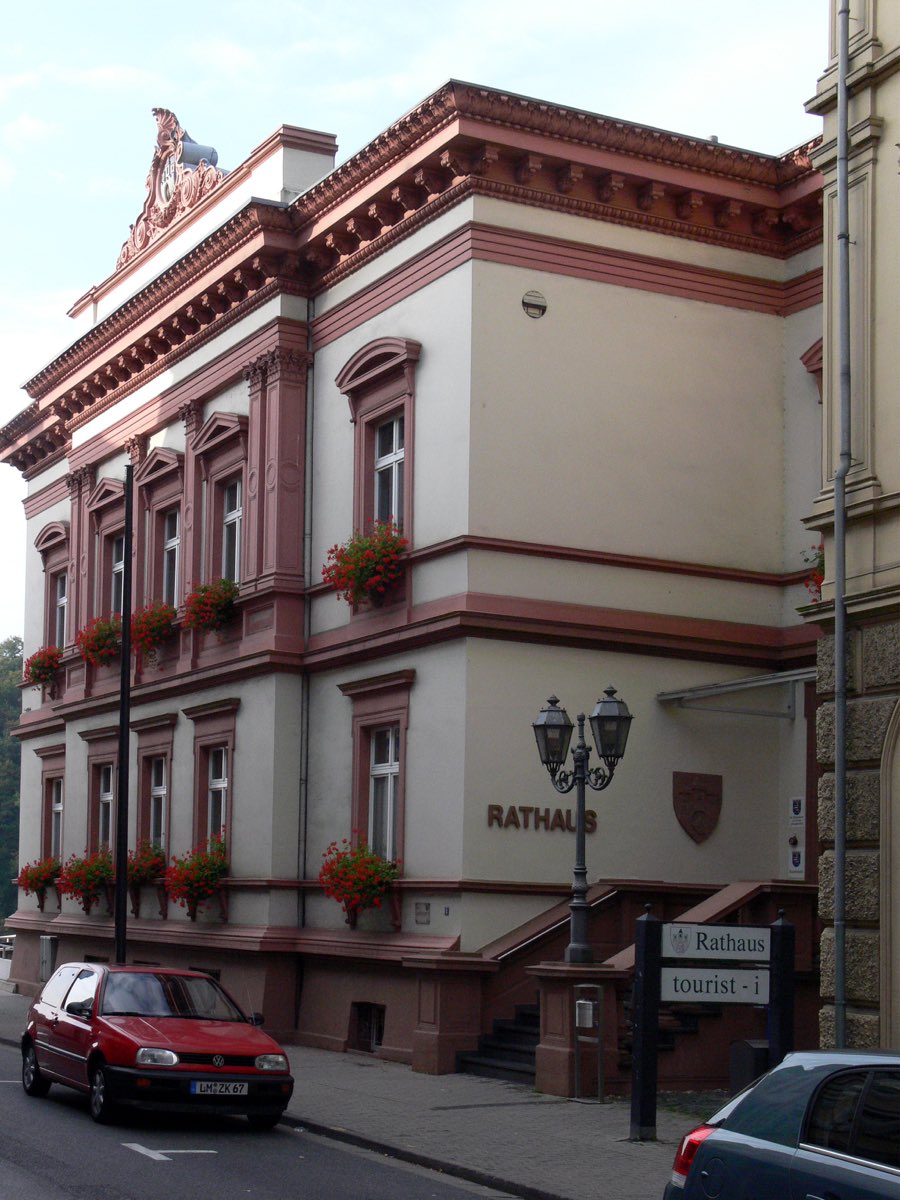 Application Guides How to Apply to a German University: uni-assist, anabin and Deadlines
Most international students apply to German universities through uni-assist, with key deadlines typically set for July 15 and January 15.
Application Guides How to Apply to a German University: uni-assist, anabin and Deadlines
Most international students apply to German universities through uni-assist, with key deadlines typically set for July 15 and January 15.
 Rankings & Comparisons University or Hochschule? Choosing Between Research and Applied Sciences in Germany
Choosing between a university and a Hochschule in Germany depends on your career goals and whether you prefer a research or practice-led education.
Rankings & Comparisons University or Hochschule? Choosing Between Research and Applied Sciences in Germany
Choosing between a university and a Hochschule in Germany depends on your career goals and whether you prefer a research or practice-led education.
 Application Guides uni-assist Explained: How International Applications to German Universities Really Work
uni-assist simplifies the application process to 210 German institutions, verifying qualifications and forwarding applications to universities.
Application Guides uni-assist Explained: How International Applications to German Universities Really Work
uni-assist simplifies the application process to 210 German institutions, verifying qualifications and forwarding applications to universities.
Rhine-Waal University of Applied Sciences
Technische Universität Berlin
Technische Universität Berlin
Flensburg University of Applied Sciences
University of Passau
Rhine-Waal University of Applied Sciences