Bachelor's Degree
Sociology
BA European Cultures and Society (EUCS)
Flensburg University of Applied Sciences
⏱ 6 semesters 🎓 Full Time
💰 No tuition fees
at University of Konstanz · Konstanz, Baden-Württemberg
Duration
4 semesters
Tuition
On request
Intake
Winter semester
Mode
Full Time
The Master of Arts in Sociology of Inequality at the University of Konstanz delves into the complex themes surrounding social disparities in contemporary society. Students engage in rigorous academic inquiry over four semesters, exploring various dimensions of inequality, including economic, social, and cultural factors. The curriculum emphasizes both theoretical and empirical approaches, preparing students to understand and analyze the multifaceted nature of inequality in different contexts.
This program is structured to provide a comprehensive educational experience that includes a blend of core modules and elective courses, allowing students to tailor their studies according to their interests. The European Credit Transfer and Accumulation System (ECTS) is applied, ensuring a standardized framework for assessing student workloads. Furthermore, students must complete a thesis that demonstrates their ability to conduct independent research and contribute original insights to the field of sociology.
One of the defining features of studying at the University of Konstanz is its strong emphasis on practical engagement. Students are encouraged to get involved in research projects, extend their learning beyond the classroom, and explore potential internship opportunities. This practical approach is particularly beneficial in a German context where the Mittelstand, or small to medium-sized enterprises, often play a vital role in addressing social issues and contributing to societal equality.
The program is designed for individuals who are deeply interested in social issues and wish to engage critically with the various forms of inequality present in the world today. It suits those who aspire to develop analytical skills and theoretical knowledge, preparing them for impactful careers in academia, research, and various sectors committed to social justice and policy reform.
Industries that frequently seek graduates include social services, education, research institutions, and governmental organizations. In addition, the 18-month post-study job-seeking permit enables graduates to explore employment opportunities in Germany after completing their studies while also benefiting from the possibility of working part-time during their time at university.
It typically takes 4 semesters, with intakes in Winter semester.
Policy AnalystSocial ResearcherNon-profit Sector SpecialistHuman Rights AdvocateIndustries that frequently seek graduates include social services, education, research institutions, and governmental organizations. In addition, the 18-month post-study job-seeking permit enables gra...
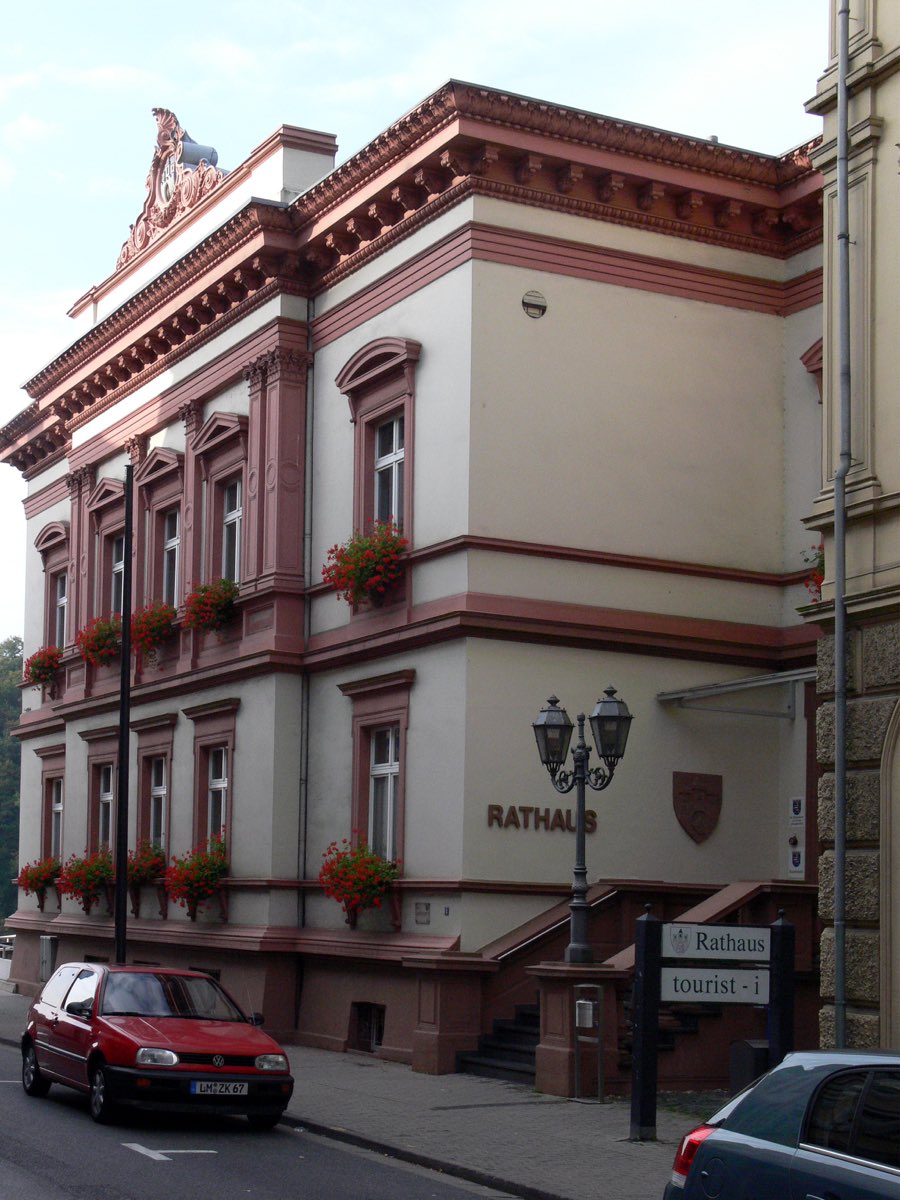 Application Guides How to Apply to a German University: uni-assist, anabin and Deadlines
Most international students apply to German universities through uni-assist, with key deadlines typically set for July 15 and January 15.
Application Guides How to Apply to a German University: uni-assist, anabin and Deadlines
Most international students apply to German universities through uni-assist, with key deadlines typically set for July 15 and January 15.
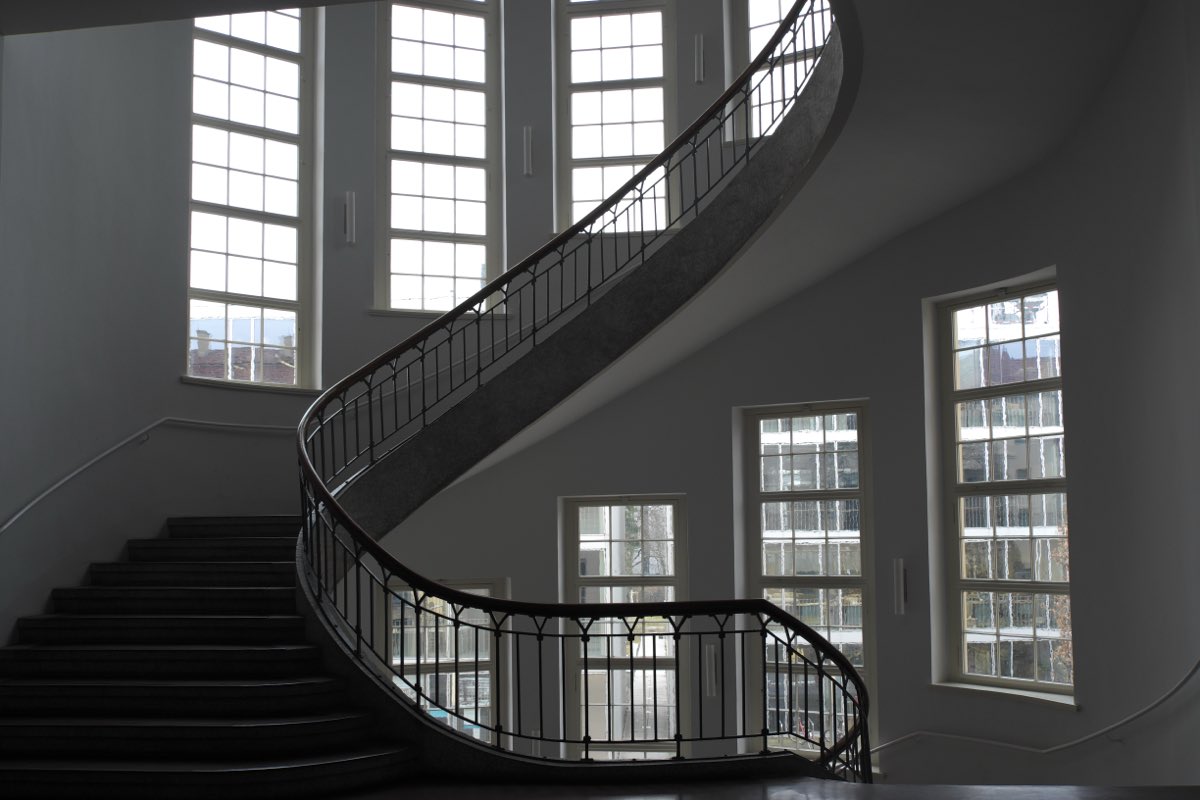 Rankings & Comparisons University or Hochschule? Choosing Between Research and Applied Sciences in Germany
Choosing between a university and a Hochschule in Germany depends on your career goals and whether you prefer a research or practice-led education.
Rankings & Comparisons University or Hochschule? Choosing Between Research and Applied Sciences in Germany
Choosing between a university and a Hochschule in Germany depends on your career goals and whether you prefer a research or practice-led education.
 Application Guides uni-assist Explained: How International Applications to German Universities Really Work
uni-assist simplifies the application process to 210 German institutions, verifying qualifications and forwarding applications to universities.
Application Guides uni-assist Explained: How International Applications to German Universities Really Work
uni-assist simplifies the application process to 210 German institutions, verifying qualifications and forwarding applications to universities.
Flensburg University of Applied Sciences
Internationale Hochschule Liebenzell
European University Viadrina
Fulda University of Applied Sciences
Julius-Maximilians-Universität Würzburg
Leuphana University Lüneburg