Bachelor's Degree
Biochemistry
Applied Biology (BSc)
Hochschule Bonn-Rhein-Sieg
⏱ 6 semesters 🎓 Full Time
💰 No tuition fees
at Leibniz Institute for Natural Product Research and Infection Biology - Hans Knöll Institute · Jena, Thuringia
Duration
8 semesters
Tuition
No tuition fees
Intake
Any time
Mode
Full Time
The International Leibniz Research School for Microbial and Biomolecular Interactions (ILRS Jena) offers a rigorous and comprehensive PhD program focused on the intricate relationships between microbes and biomolecules. This program is uniquely positioned within the vibrant research environment of the Leibniz Institute for Natural Product Research and Infection Biology - Hans Knöll Institute, which is renowned for its innovative contributions to biochemistry. Participants engage in cutting-edge research that explores microbial interactions and their implications, paving the way for novel biotechnological applications.
The structure of the program spans 8 semesters, allowing doctoral candidates to complete their dissertations through a combination of independent research and supervised mentorship. Candidates will immerse themselves in various modules, each designed to enhance their research skills and theoretical understanding. The program fosters a collaborative atmosphere as students work alongside established researchers and industry experts, guided by a curriculum that emphasizes both scientific rigor and practical application.
Throughout their studies, doctoral candidates acquire essential skills such as critical thinking, laboratory techniques, data analysis, and scientific communication. These competencies are further enhanced by opportunities for interdisciplinary collaboration within the research school. The emphasis on collaborative projects ensures that candidates are well-prepared to tackle complex scientific challenges in various professional settings.
This program is particularly suited for individuals who are passionate about exploring the intersections of microbiology and biochemistry. It attracts aspiring researchers who are eager to contribute to advancements in areas such as biotechnology, pharmacology, and environmental sciences. Participants can benefit from Germany's strong research infrastructure and its focus on supporting doctoral candidates in their professional development.
The demand for skilled professionals in these areas spans various sectors including pharmaceuticals, biotechnology firms, environmental research organizations, and academic institutions. Germany's vibrant Mittelstand and well-established industries are consistently on the lookout for talent equipped with the advanced knowledge and research capabilities developed through such robust doctoral programs.
It typically takes 8 semesters, with intakes in Any time.
Tuition is around No tuition fees. Fees change yearly — confirm with an advisor.
Research Scientist in BiochemistryBiotechnologistMicrobiologistIndustry Research and Development SpecialistAcademic ResearcherThe demand for skilled professionals in these areas spans various sectors including pharmaceuticals, biotechnology firms, environmental research organizat...
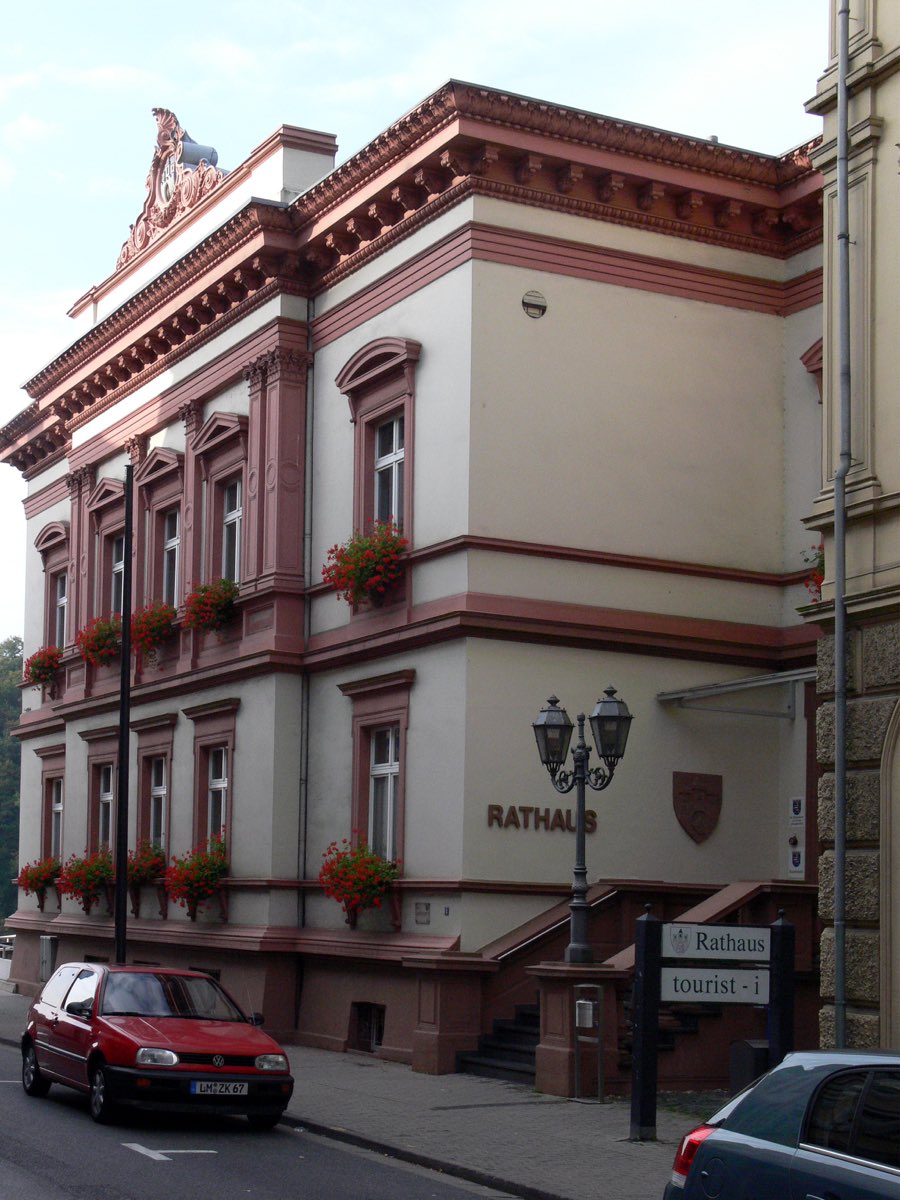 Application Guides How to Apply to a German University: uni-assist, anabin and Deadlines
Most international students apply to German universities through uni-assist, with key deadlines typically set for July 15 and January 15.
Application Guides How to Apply to a German University: uni-assist, anabin and Deadlines
Most international students apply to German universities through uni-assist, with key deadlines typically set for July 15 and January 15.
 Rankings & Comparisons University or Hochschule? Choosing Between Research and Applied Sciences in Germany
Choosing between a university and a Hochschule in Germany depends on your career goals and whether you prefer a research or practice-led education.
Rankings & Comparisons University or Hochschule? Choosing Between Research and Applied Sciences in Germany
Choosing between a university and a Hochschule in Germany depends on your career goals and whether you prefer a research or practice-led education.
 Application Guides uni-assist Explained: How International Applications to German Universities Really Work
uni-assist simplifies the application process to 210 German institutions, verifying qualifications and forwarding applications to universities.
Application Guides uni-assist Explained: How International Applications to German Universities Really Work
uni-assist simplifies the application process to 210 German institutions, verifying qualifications and forwarding applications to universities.
Hochschule Bonn-Rhein-Sieg
Hochschule Fresenius - University of Applied Sciences
Heinrich Heine University Düsseldorf
University of Tübingen
Technische Universität Braunschweig
University of Freiburg