Bachelor's Degree
Biochemistry
Applied Biology (BSc)
Hochschule Bonn-Rhein-Sieg
⏱ 6 semesters 🎓 Full Time
💰 No tuition fees
at Philipps-Universität Marburg · Marburg, Hesse
Duration
4 semesters
Tuition
No tuition fees
Intake
Winter semester
Mode
Full Time
The Master's programme in Molecular Biotechnology at Philipps-Universität Marburg offers an in-depth exploration of the molecular foundations of biochemistry and biotechnology. This programme is structured over four semesters, where students engage in a variety of modules that integrate theoretical knowledge with practical applications. Each module is designed to help students develop a nuanced understanding of molecular mechanisms, bioprocess engineering, and the biochemical pathways that underpin biotechnological innovations.
In addition to core subjects, students will also have the opportunity to complete a practical or internship semester, which is integral to the learning experience at universities of applied sciences in Germany. This hands-on approach allows students to apply their theoretical knowledge in real-world settings, working alongside professionals at various biotechnology firms and research institutions across Germany.
The curriculum is aligned with the standards of the European Credit Transfer and Accumulation System (ECTS), enabling students to earn credits as they progress through their studies. A key component of the programme is the completion of a master’s thesis, which requires students to undertake original research under the guidance of faculty members. This not only enhances their research skills but also prepares them for potential careers in academia, industry, or entrepreneurial ventures.
This Master's programme is particularly suited for graduates who have a background in life sciences, biochemistry, or a related field. It is ideal for those who are enthusiastic about advancing their knowledge and skills in biotechnology and who aspire to contribute positively to society through scientific innovation.
The industries that commonly hire graduates from this programme include biopharmaceutical companies, research and development labs, environmental agencies, and agro-biotechnology firms. The German setting is particularly advantageous due to its robust Mittelstand and industry partnerships, facilitating abundant opportunities for internships and employment. Furthermore, graduates can benefit from the 18-month post-study job-seeking permit, which allows them to stay in Germany and explore job opportunities while utilizing their skills.
It typically takes 4 semesters, with intakes in Winter semester.
Tuition is around No tuition fees. Fees change yearly — confirm with an advisor.
BiotechnologistLaboratory ManagerResearch ScientistQuality Control SpecialistRegulatory Affairs AssociateProduct Development SpecialistThe industries that commonly hire graduates from this programme include biopharmaceutical companies, research and development labs, environmental...
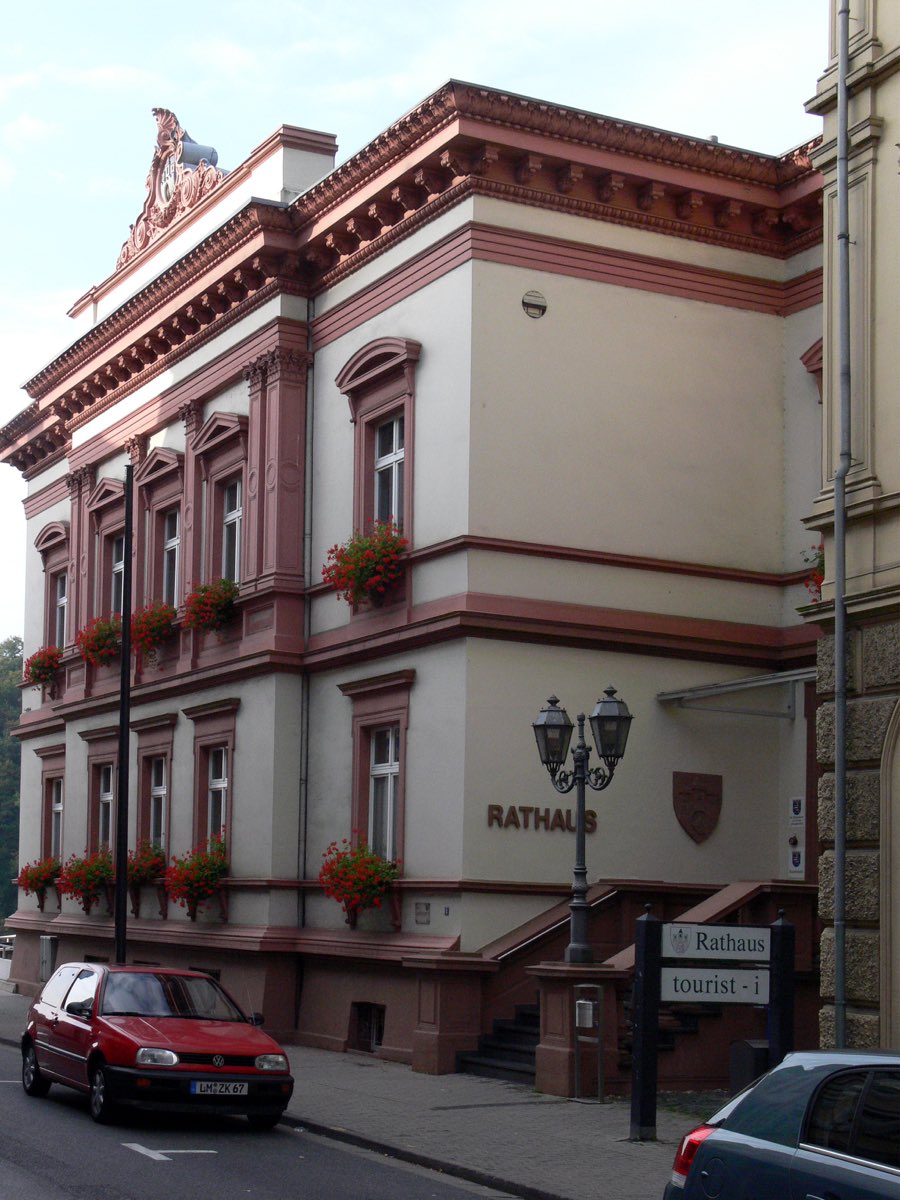 Application Guides How to Apply to a German University: uni-assist, anabin and Deadlines
Most international students apply to German universities through uni-assist, with key deadlines typically set for July 15 and January 15.
Application Guides How to Apply to a German University: uni-assist, anabin and Deadlines
Most international students apply to German universities through uni-assist, with key deadlines typically set for July 15 and January 15.
 Rankings & Comparisons University or Hochschule? Choosing Between Research and Applied Sciences in Germany
Choosing between a university and a Hochschule in Germany depends on your career goals and whether you prefer a research or practice-led education.
Rankings & Comparisons University or Hochschule? Choosing Between Research and Applied Sciences in Germany
Choosing between a university and a Hochschule in Germany depends on your career goals and whether you prefer a research or practice-led education.
 Application Guides uni-assist Explained: How International Applications to German Universities Really Work
uni-assist simplifies the application process to 210 German institutions, verifying qualifications and forwarding applications to universities.
Application Guides uni-assist Explained: How International Applications to German Universities Really Work
uni-assist simplifies the application process to 210 German institutions, verifying qualifications and forwarding applications to universities.
Hochschule Bonn-Rhein-Sieg
Hochschule Fresenius - University of Applied Sciences
Heinrich Heine University Düsseldorf
University of Tübingen
Philipps-Universität Marburg
Technische Universität Braunschweig