Bachelor's Degree
Geology
Bachelor of Science in Earth System Physics
University of Hamburg
⏱ 6 semesters 🎓 Full Time
💰 No tuition fees
at Max Planck Institute for Meteorology · Hamburg
Duration
6 semesters
Tuition
No tuition fees
Intake
Any time
Mode
Full Time
The International Max Planck Research School on Earth System Modelling (IMPRS-ESM) offers a comprehensive doctoral programme designed to advance research in understanding complex Earth system processes. It brings together leading scientists from diverse fields such as meteorology, oceanography, and climate science to provide a collaborative research environment in Hamburg. This interdisciplinary approach ensures that students are equipped with a holistic understanding of the Earth’s systems, aided by advanced modelling techniques.
The programme is structured over 6 semesters, during which candidates engage in extensive research as well as attend seminars and workshops that enhance their academic and professional skills. All students are required to complete a doctoral thesis, which constitutes original research and contributes to the field of Earth system modelling. This structure allows doctoral candidates to develop their research questions and methodologies while receiving guidance from experienced faculty and research mentors.
Through the IMPRS-ESM, students acquire valuable skills in data analysis, modelling, and interdisciplinary collaboration. These skills are not only pertinent to academic research but also highly sought after in the private sector and governmental organizations. The programme is ideal for those who are passionate about tackling global environmental challenges and wish to make a substantive impact in sustainable development and climate resilience.
Germany's strong emphasis on research, alongside its renowned Mittelstand companies, offers an enriching backdrop for this programme. Graduates benefit from the 18-month post-study job-seeking permit, allowing them to explore job opportunities within Germany’s dynamic research and industry landscape. Students also have the formative opportunity to connect with industry partners throughout their studies, enhancing their professional network.
Industries that commonly hire graduates from this programme include:
It typically takes 6 semesters, with intakes in Any time.
Tuition is around No tuition fees. Fees change yearly — confirm with an advisor.
Climate ScientistEnvironmental ConsultantResearch Scientist in AcademiaData Analyst for Climate ModellingPolicy Advisor for Environmental IssuesIndustries that commonly hire graduates from this programme include:Environmental Research InstitutionsGovernment Agencies focused on Cl...
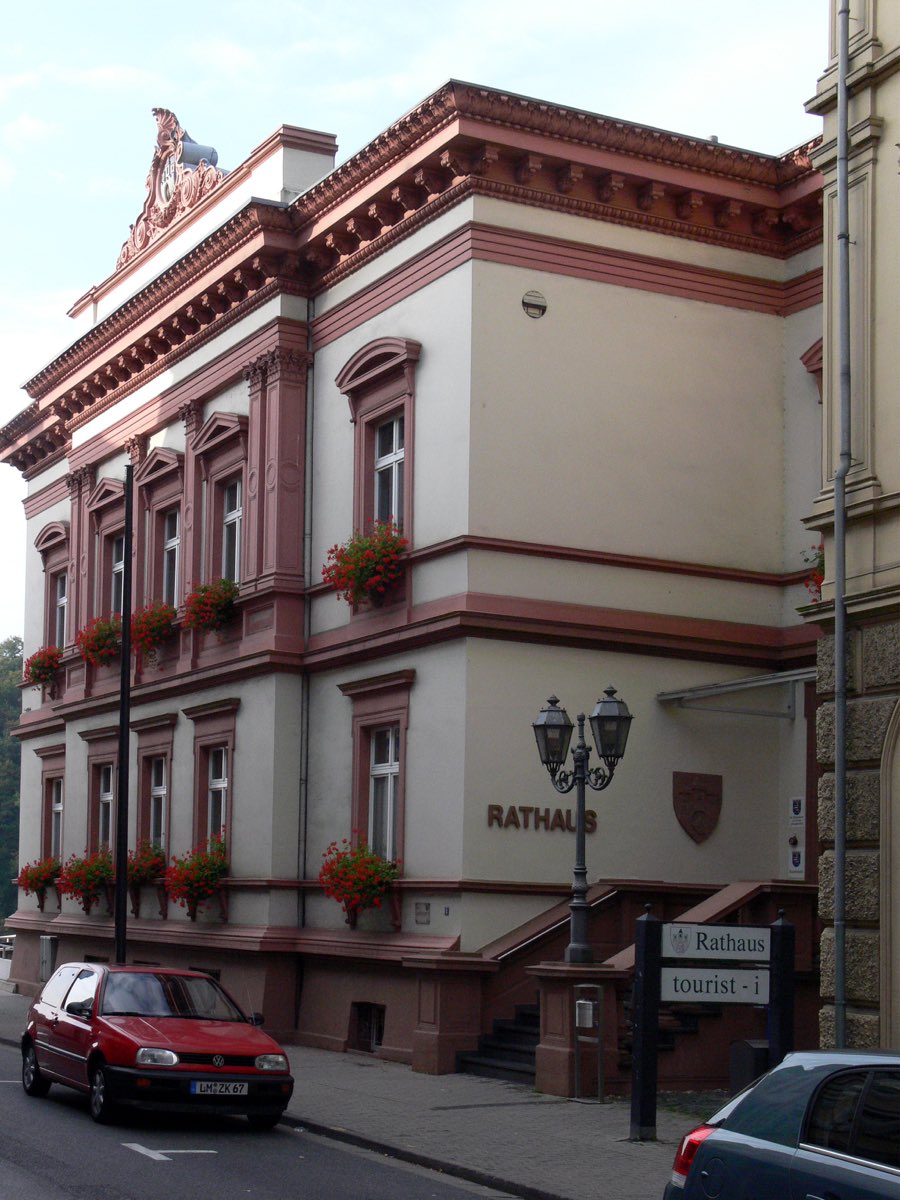 Application Guides How to Apply to a German University: uni-assist, anabin and Deadlines
Most international students apply to German universities through uni-assist, with key deadlines typically set for July 15 and January 15.
Application Guides How to Apply to a German University: uni-assist, anabin and Deadlines
Most international students apply to German universities through uni-assist, with key deadlines typically set for July 15 and January 15.
 Rankings & Comparisons University or Hochschule? Choosing Between Research and Applied Sciences in Germany
Choosing between a university and a Hochschule in Germany depends on your career goals and whether you prefer a research or practice-led education.
Rankings & Comparisons University or Hochschule? Choosing Between Research and Applied Sciences in Germany
Choosing between a university and a Hochschule in Germany depends on your career goals and whether you prefer a research or practice-led education.
 Application Guides uni-assist Explained: How International Applications to German Universities Really Work
uni-assist simplifies the application process to 210 German institutions, verifying qualifications and forwarding applications to universities.
Application Guides uni-assist Explained: How International Applications to German Universities Really Work
uni-assist simplifies the application process to 210 German institutions, verifying qualifications and forwarding applications to universities.
University of Hamburg
Technical University of Munich
University of Bremen
TU Bergakademie Freiberg
University of Tübingen
TU Bergakademie Freiberg