Bachelor's Degree
Biochemistry
Applied Biology (BSc)
Hochschule Bonn-Rhein-Sieg
⏱ 6 semesters 🎓 Full Time
💰 No tuition fees
at Max Planck Institute of Molecular Plant Physiology · Potsdam, Brandenburg
Duration
6 semesters, 7 semesters, 8 semesters
Tuition
No tuition fees
Intake
Any time
Mode
Full Time
The International Max Planck Research School for Molecular Plant Science (IMPRS MolPlant) is a prestigious PhD program offered at the Max Planck Institute of Molecular Plant Physiology in Potsdam. This program is designed for students who wish to engage in cutting-edge research in the field of plant biochemistry and molecular biology. The curriculum encourages interdisciplinary projects that provide a comprehensive understanding of molecular mechanisms regulating plant development and responses to environmental changes.
Structured over a flexible duration of 6 to 8 semesters, the program incorporates research-based modules alongside theoretical training. The credit system follows the European Credit Transfer and Accumulation System (ECTS), ensuring that students gain meaningful and internationally recognized qualifications that enhance their scientific skill set. Candidates will typically undertake their thesis research as part of a collaborative project, providing them with hands-on experience in laboratory techniques and research methodologies.
The IMPRS MolPlant focuses on developing critical skills such as experimental design, data analysis, and scientific communication, making it ideal for aspiring researchers and professionals in biological sciences. This program is well-suited for individuals who are passionate about plant science and seek to contribute to the understanding of plant physiology and adaptation, with the potential for impactful careers in academia, industry, or governmental research institutions.
The German industry, particularly the Mittelstand and agricultural sectors, actively seeks skilled professionals in plant sciences. Graduates from the IMPRS MolPlant program are well-positioned to pursue careers in private companies, research institutes, or universities, thanks in part to Germany's robust support for innovation and research. Additionally, international graduates enjoy an 18-month post-study job-seeking permit that allows them to explore job opportunities while contributing to the local scientific and industrial landscape.
It typically takes 6 semesters, 7 semesters, 8 semesters, with intakes in Any time.
Tuition is around No tuition fees. Fees change yearly — confirm with an advisor.
Research Scientist in Molecular BiochemistryPlant Physiologist in Agricultural BiotechnologyProduct Development Scientist in AgrochemicalsRegulatory Affairs Specialist in Environmental ScienceAcademic Lecturer in Biological SciencesThe German industry, particularly the Mittelstan...
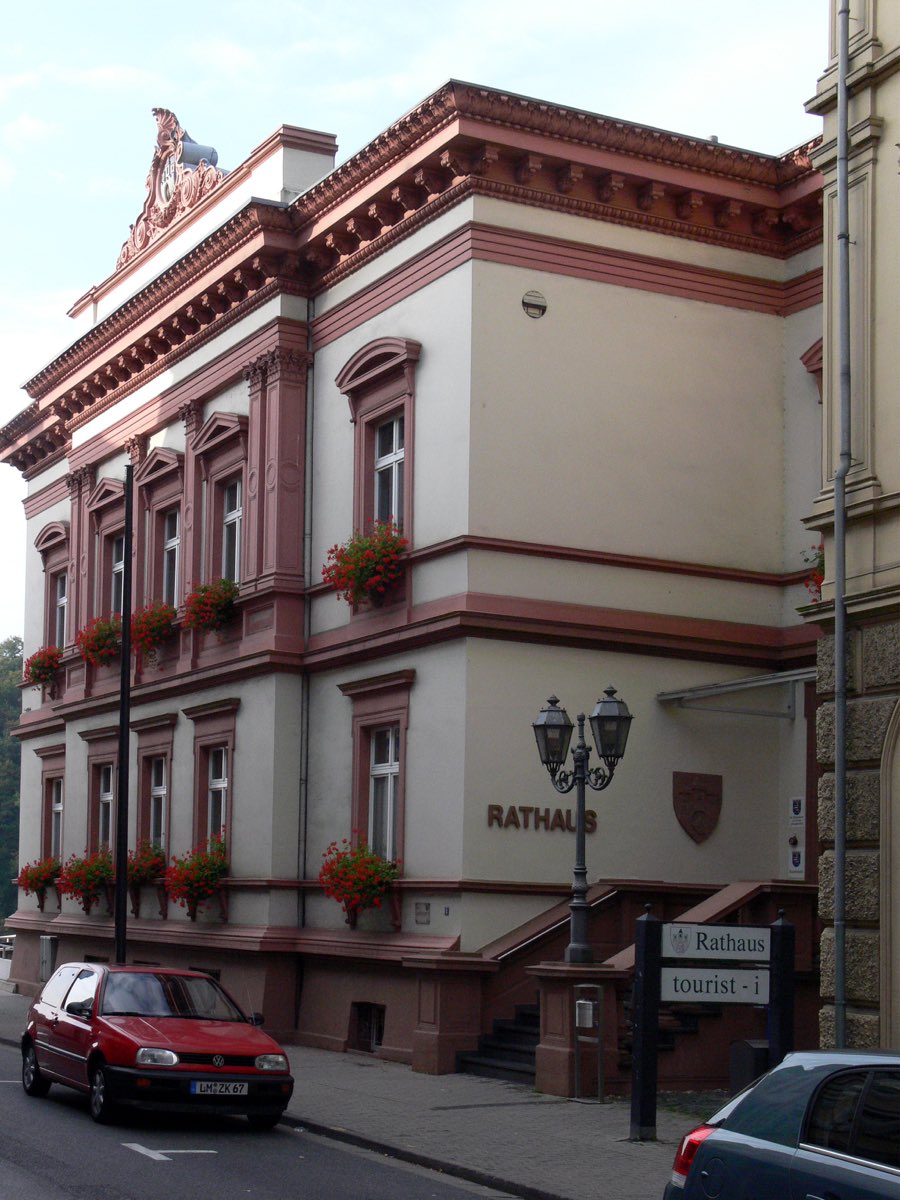 Application Guides How to Apply to a German University: uni-assist, anabin and Deadlines
Most international students apply to German universities through uni-assist, with key deadlines typically set for July 15 and January 15.
Application Guides How to Apply to a German University: uni-assist, anabin and Deadlines
Most international students apply to German universities through uni-assist, with key deadlines typically set for July 15 and January 15.
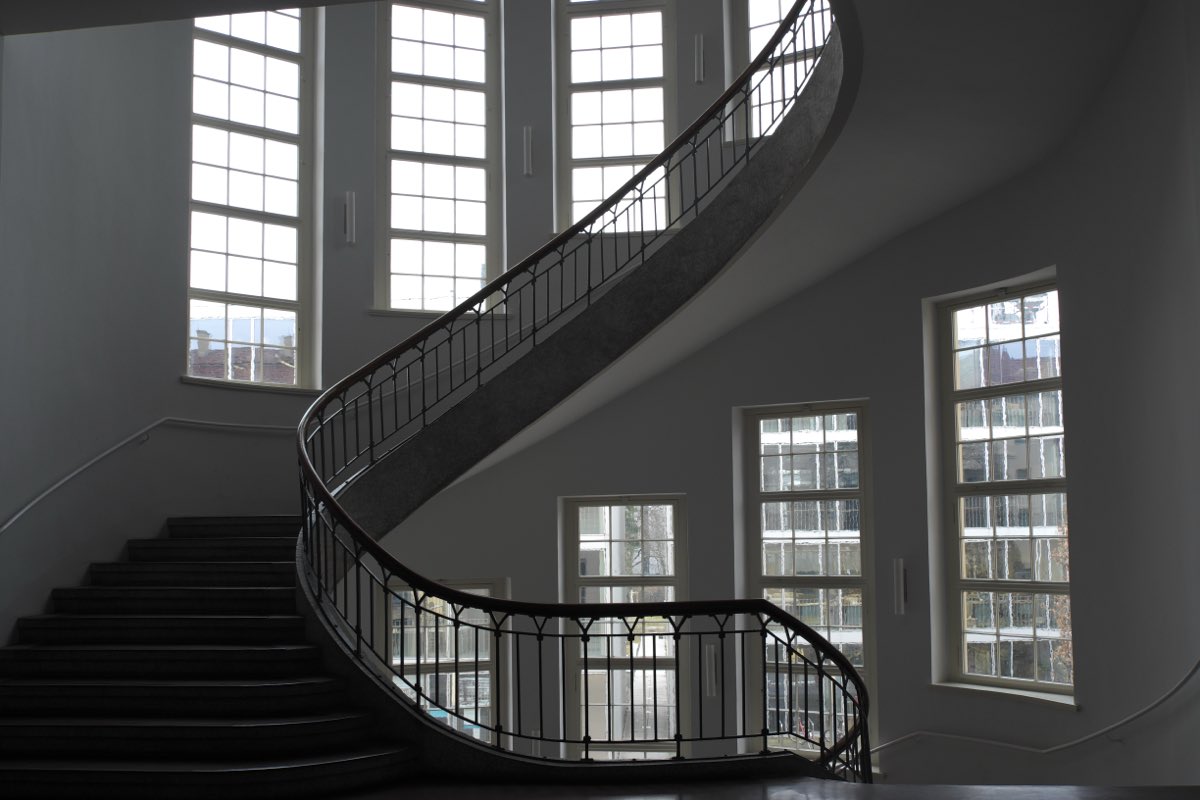 Rankings & Comparisons University or Hochschule? Choosing Between Research and Applied Sciences in Germany
Choosing between a university and a Hochschule in Germany depends on your career goals and whether you prefer a research or practice-led education.
Rankings & Comparisons University or Hochschule? Choosing Between Research and Applied Sciences in Germany
Choosing between a university and a Hochschule in Germany depends on your career goals and whether you prefer a research or practice-led education.
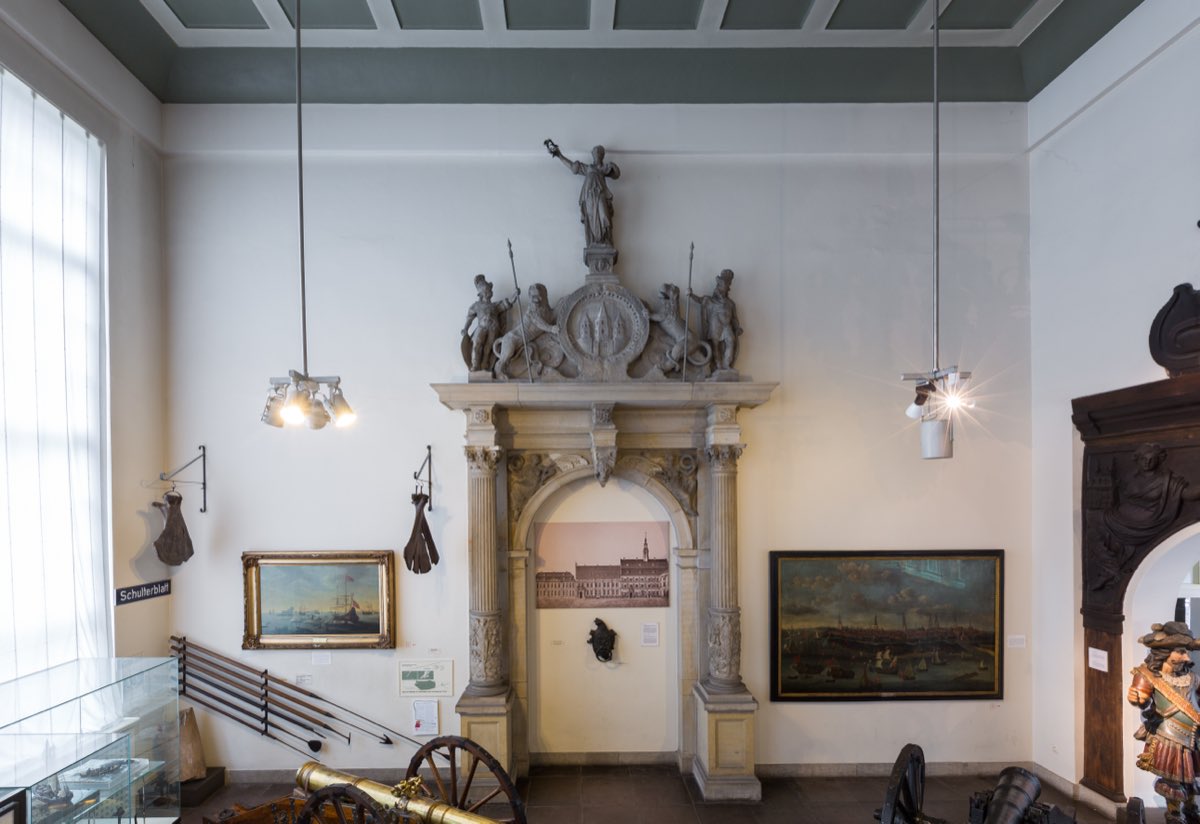 Application Guides uni-assist Explained: How International Applications to German Universities Really Work
uni-assist simplifies the application process to 210 German institutions, verifying qualifications and forwarding applications to universities.
Application Guides uni-assist Explained: How International Applications to German Universities Really Work
uni-assist simplifies the application process to 210 German institutions, verifying qualifications and forwarding applications to universities.
Hochschule Bonn-Rhein-Sieg
Hochschule Fresenius - University of Applied Sciences
Heinrich Heine University Düsseldorf
University of Tübingen
Technische Universität Braunschweig
University of Freiburg