Bachelor's Degree
English Literature
Anglophone Postcolonial Studies
University of Potsdam
⏱ 6 semesters 🎓 Full Time
💰 No tuition fees
at University of Potsdam · Potsdam, Brandenburg
Duration
4 semesters
Tuition
No tuition fees
Intake
Winter semester
Mode
Full Time
The Master's Degree in Toxicology at the University of Potsdam offers a comprehensive curriculum designed to equip students with in-depth knowledge in the field of toxicology, particularly as it relates to food science. The programme spans four semesters, integrating theoretical instruction with practical applications. Students engage with modules that cover fundamental principles of toxicology, risk assessment, and analytical chemistry, preparing them for real-world challenges in both academic and industry settings.
Structured in accordance with the European Credit Transfer and Accumulation System (ECTS), this programme ensures that students not only gain theoretical insights but also practical skills through internships and project work. A key feature is the inclusion of a practical semester, where students work with industry partners, allowing them to apply their knowledge in a context that is particularly relevant to the German Mittelstand, known for its innovation and support of new talent.
The skills acquired during this programme include critical thinking, analytical reasoning, and research methodologies, which are crucial for addressing complex toxicological issues. The curriculum is designed for those who have a keen interest in environmental health, public policy, and scientific research. Ideal candidates are those looking to make a significant impact in the realms of food safety and consumer health.
Furthermore, the German context provides students with unique advantages such as a vibrant job market post-graduation. Graduates can benefit from an 18-month post-study job-seeking permit, allowing them to explore employment opportunities and enhance their professional networks while living in Germany. The combination of a rigorous academic programme and practical experience ensures that graduates are well-prepared to meet the demands of various sectors.
In Germany, industries hiring graduates of this programme include the food and beverage sector, pharmaceuticals, environmental agencies, and public health institutions, where expertise in toxicology is increasingly vital.
It typically takes 4 semesters, with intakes in Winter semester.
Tuition is around No tuition fees. Fees change yearly — confirm with an advisor.
Regulatory Affairs Specialist in Food SafetyToxicologist in PharmaceuticalsQuality Assurance Manager in Food ProductionEnvironmental ConsultantResearch Scientist in Academic InstitutionsIn Germany, industries hiring graduates of this programme include the food and beverage sector...
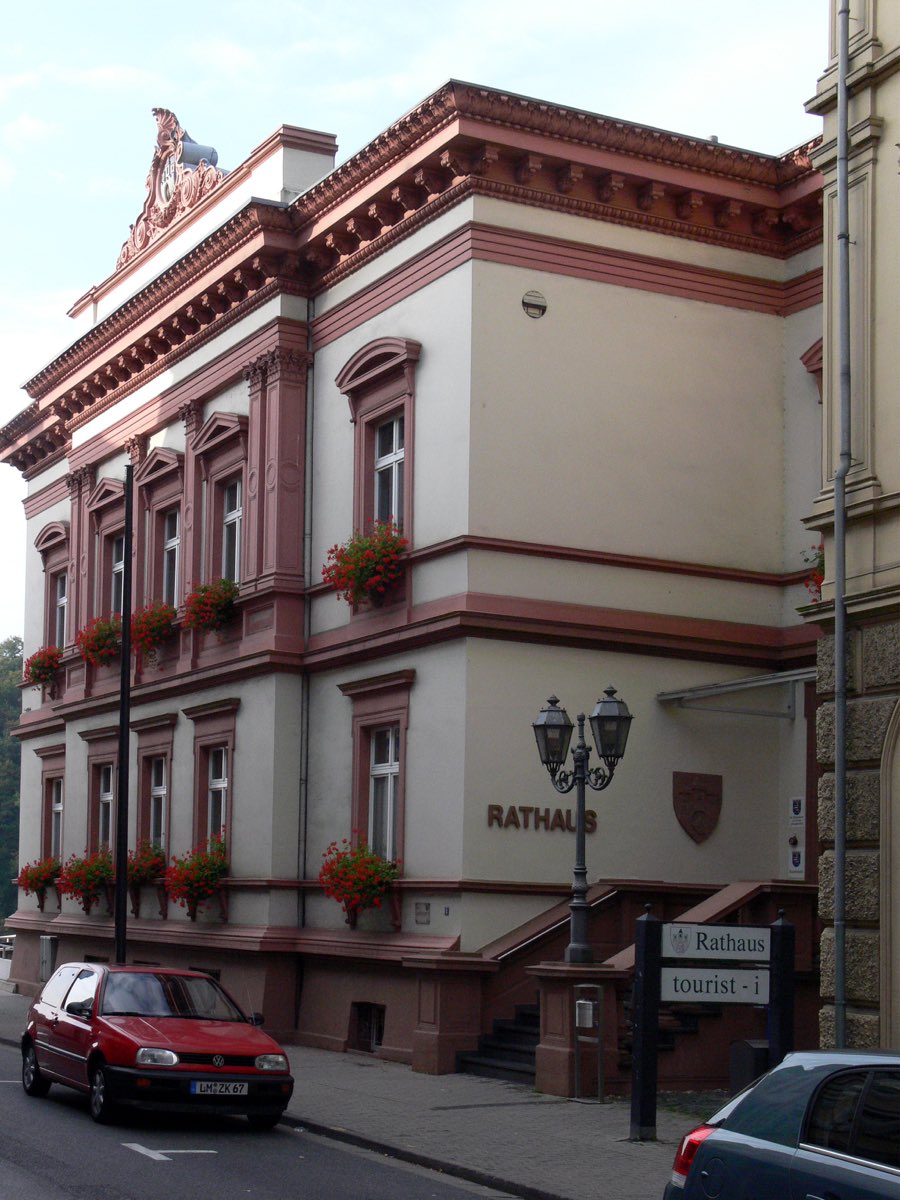 Application Guides How to Apply to a German University: uni-assist, anabin and Deadlines
Most international students apply to German universities through uni-assist, with key deadlines typically set for July 15 and January 15.
Application Guides How to Apply to a German University: uni-assist, anabin and Deadlines
Most international students apply to German universities through uni-assist, with key deadlines typically set for July 15 and January 15.
 Rankings & Comparisons University or Hochschule? Choosing Between Research and Applied Sciences in Germany
Choosing between a university and a Hochschule in Germany depends on your career goals and whether you prefer a research or practice-led education.
Rankings & Comparisons University or Hochschule? Choosing Between Research and Applied Sciences in Germany
Choosing between a university and a Hochschule in Germany depends on your career goals and whether you prefer a research or practice-led education.
 Application Guides uni-assist Explained: How International Applications to German Universities Really Work
uni-assist simplifies the application process to 210 German institutions, verifying qualifications and forwarding applications to universities.
Application Guides uni-assist Explained: How International Applications to German Universities Really Work
uni-assist simplifies the application process to 210 German institutions, verifying qualifications and forwarding applications to universities.
University of Potsdam
University of Potsdam
Hannover University of Applied Sciences and Arts
Fulda University of Applied Sciences
University of Potsdam
University of Potsdam