Bachelor's Degree
Electrical & Electronic Engineering
Applied Natural Sciences / Angewandte Naturwissenschaften
University of Regensburg
⏱ 7 semesters 🎓 Full Time
at RWTH Aachen University · Aachen, North Rhine-Westphalia
Duration
4 semesters
Tuition
€6,000 total
Intake
Winter semester
Mode
Full Time
The Master's program in Battery Systems Engineering (BSE) at RWTH Aachen University is designed to provide students with a comprehensive understanding of the development and application of battery technologies. The curriculum encompasses a blend of theoretical knowledge and practical skills, focusing on the intricacies of battery foundations, chemical processes, materials science, and system performance optimization. This multidisciplinary approach prepares graduates to tackle the challenges of energy storage, with an emphasis on sustainable solutions.
The program is structured into four semesters, comprising a well-balanced mix of modules that delve into advanced topics in electrical and electronic engineering, specifically tailored to battery technologies. Students will earn ECTS credits through coursework, ensuring a thorough engagement with both academic and practical aspects of the field. A key feature of the program is the thesis, which enables students to conduct research that can contribute to real-world applications, furthering their expertise in battery systems.
Throughout the course, students develop crucial skills in project management, technical analysis, and innovative design. By collaborating with industry partners, including many of the renowned Mittelstand companies in the region, participants gain insights into current trends and technologies while building a professional network. This program is particularly suited for individuals passionate about renewable energy solutions and those seeking to pioneer advancements in battery technology for automotive and other applications.
Industries: Automotive, Renewable Energy, Electronics Manufacturing, Research and Development, and Energy Storage Solutions.
It typically takes 4 semesters, with intakes in Winter semester.
Tuition is around €6,000 total. Fees change yearly — confirm with an advisor.
Battery Systems EngineerResearch Scientist in Battery TechnologiesProject Manager for Energy SolutionsQuality Assurance Engineer in ManufacturingConsultant in Sustainable EnergyIndustries: Automotive, Renewable Energy, Electronics Manufacturing, Research and Development, and Ener...
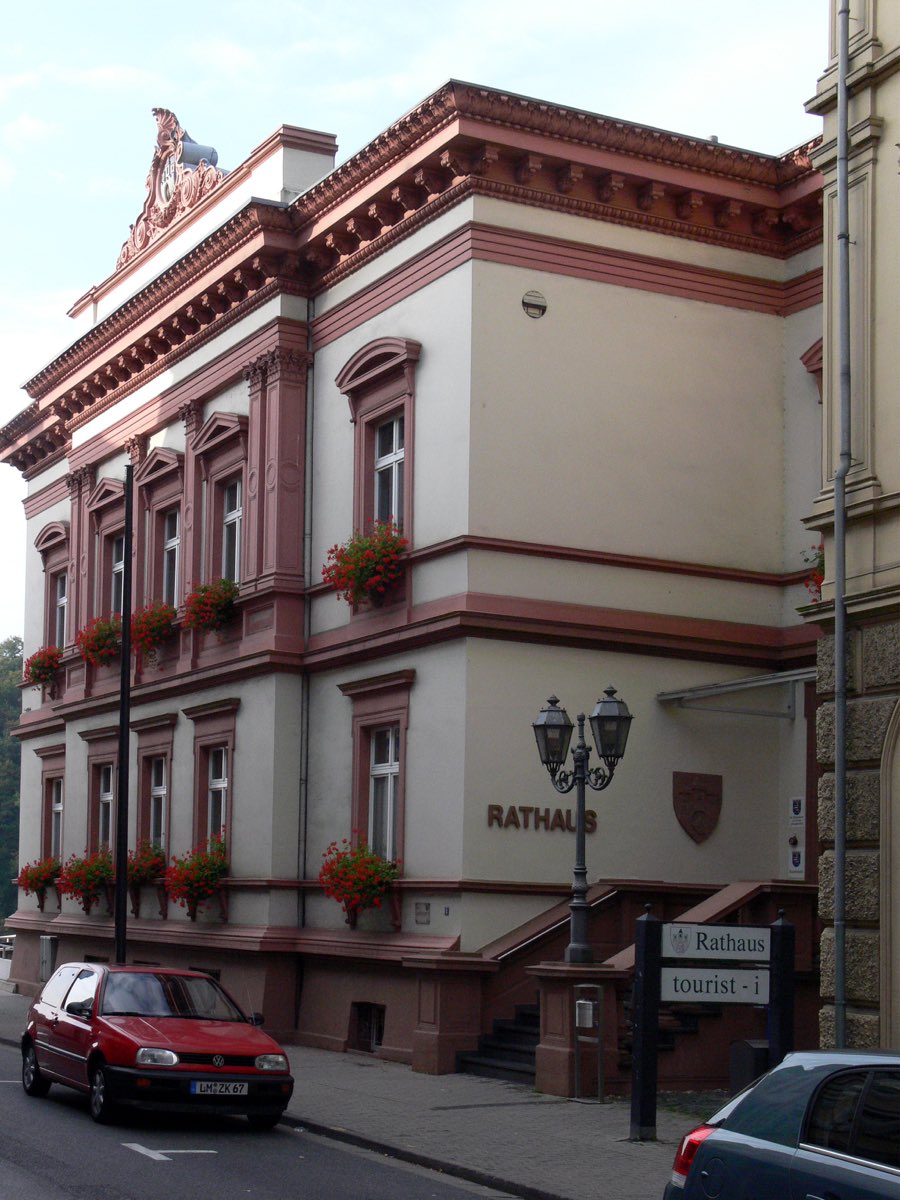 Application Guides How to Apply to a German University: uni-assist, anabin and Deadlines
Most international students apply to German universities through uni-assist, with key deadlines typically set for July 15 and January 15.
Application Guides How to Apply to a German University: uni-assist, anabin and Deadlines
Most international students apply to German universities through uni-assist, with key deadlines typically set for July 15 and January 15.
 Rankings & Comparisons University or Hochschule? Choosing Between Research and Applied Sciences in Germany
Choosing between a university and a Hochschule in Germany depends on your career goals and whether you prefer a research or practice-led education.
Rankings & Comparisons University or Hochschule? Choosing Between Research and Applied Sciences in Germany
Choosing between a university and a Hochschule in Germany depends on your career goals and whether you prefer a research or practice-led education.
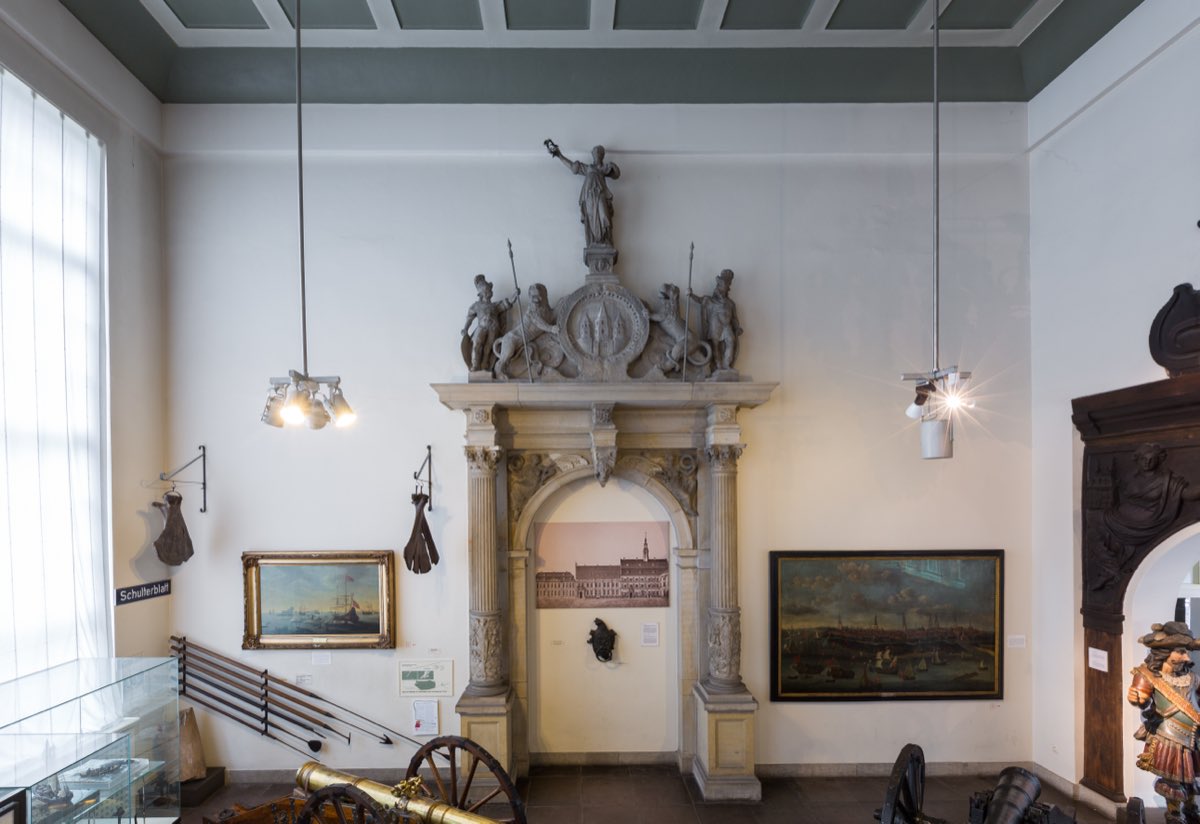 Application Guides uni-assist Explained: How International Applications to German Universities Really Work
uni-assist simplifies the application process to 210 German institutions, verifying qualifications and forwarding applications to universities.
Application Guides uni-assist Explained: How International Applications to German Universities Really Work
uni-assist simplifies the application process to 210 German institutions, verifying qualifications and forwarding applications to universities.
University of Regensburg
Heilbronn University of Applied Sciences
Technische Hochschule Ingolstadt
Carl von Ossietzky University of Oldenburg
Aalen University
Technical University of Munich