Master's Degree
Chemistry
Chemistry
University of Siegen
⏱ 4 semesters 🎓 Full Time
💰 No tuition fees
at University of Siegen · Siegen, North Rhine-Westphalia
Duration
4 semesters
Tuition
No tuition fees
Intake
Winter semester
Mode
Full Time
The Franco-German Master of Arts in Linguistics: Digital, Applied, Structural (LiDAS) / Sciences du Langage (SDL) at the University of Siegen is a multidisciplinary programme designed to deepen students' understanding of linguistics within a digital context. This master's degree combines theoretical frameworks with applied approaches, enabling participants to engage with topics such as computational linguistics, language processing, and sociolinguistics. The program is crafted for students interested in the intersection of language, culture, and technology, and it emphasizes a robust education that integrates both German and French linguistic methodologies.
Structured over four semesters, this Master's programme comprises a variety of modules that explore essential linguistic themes while allowing a focus on specific areas of interest. Students earn ECTS credits through coursework, which includes a mixture of practical assignments and theoretical study. Towards the end of the programme, students are required to complete a master's thesis that demonstrates their research capabilities and mastery of the subject matter. Additionally, as a university of applied sciences, the programme includes opportunities for practical experience, enhancing the academic learning process with real-world applications.
This programme is ideal for individuals who possess a strong interest in linguistics and wish to enhance their expertise in a multicultural environment. It attracts students who are eager to engage in interdisciplinary studies, merging language skills with technological advancements. Graduates typically emerge with a comprehensive skill set, including analytical thinking, research competencies, and proficiency in multiple languages, preparing them for a diverse range of career paths in the linguistics field.
Graduates often find opportunities in Germany's thriving Mittelstand, which values linguistic diversity and technological innovation. Industries such as information technology, education, and media are keen to employ skilled linguists who can navigate complex language systems and digital platforms. Furthermore, international graduates can take advantage of Germany's 18-month post-study job-seeking permit, making it easier to find employment in their respective fields after completing their studies.
It typically takes 4 semesters, with intakes in Winter semester.
Tuition is around No tuition fees. Fees change yearly — confirm with an advisor.
Language Consultant in technology firmsResearcher in linguistics or applied linguisticsContent Developer for language applicationsLocalization SpecialistMarketing Analyst focusing on language trendsGraduates often find opportunities in Germany's thriving Mittelstand, which values...
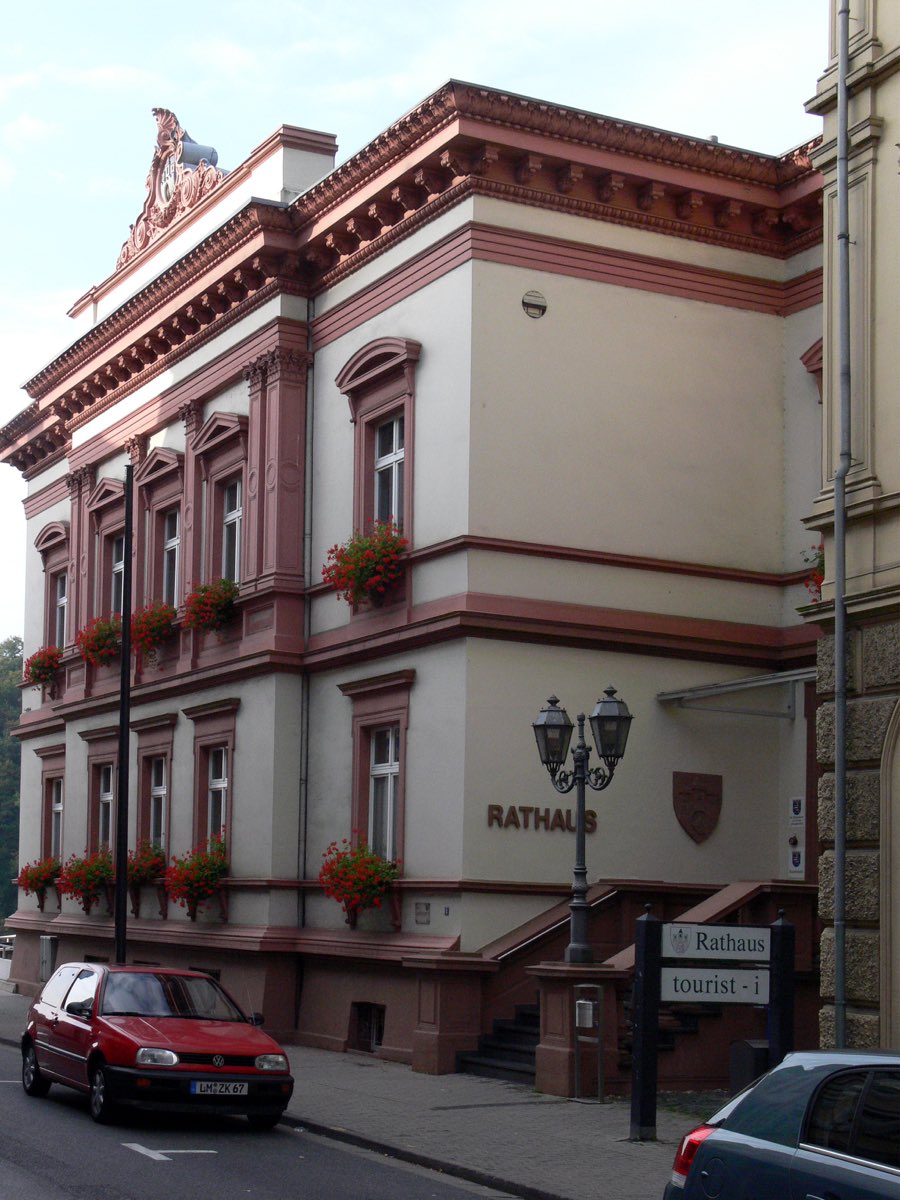 Application Guides How to Apply to a German University: uni-assist, anabin and Deadlines
Most international students apply to German universities through uni-assist, with key deadlines typically set for July 15 and January 15.
Application Guides How to Apply to a German University: uni-assist, anabin and Deadlines
Most international students apply to German universities through uni-assist, with key deadlines typically set for July 15 and January 15.
 Rankings & Comparisons University or Hochschule? Choosing Between Research and Applied Sciences in Germany
Choosing between a university and a Hochschule in Germany depends on your career goals and whether you prefer a research or practice-led education.
Rankings & Comparisons University or Hochschule? Choosing Between Research and Applied Sciences in Germany
Choosing between a university and a Hochschule in Germany depends on your career goals and whether you prefer a research or practice-led education.
 Application Guides uni-assist Explained: How International Applications to German Universities Really Work
uni-assist simplifies the application process to 210 German institutions, verifying qualifications and forwarding applications to universities.
Application Guides uni-assist Explained: How International Applications to German Universities Really Work
uni-assist simplifies the application process to 210 German institutions, verifying qualifications and forwarding applications to universities.
University of Siegen
University of Siegen
University of Siegen
University of Siegen
University of Siegen
University of Siegen