Bachelor's Degree
Biochemistry
Applied Biology (BSc)
Hochschule Bonn-Rhein-Sieg
⏱ 6 semesters 🎓 Full Time
💰 No tuition fees
at Technische Universität Dresden · Dresden, Saxony
Duration
4 semesters
Tuition
No tuition fees
Intake
Winter semester
Mode
Full Time
The Biochemistry Master's programme at Technische Universität Dresden is designed to provide students with an advanced understanding of the molecular mechanisms governing biological processes. Covering essential topics such as enzymology, molecular biology, and biochemical techniques, this programme ensures that graduates are well-equipped for a variety of scientific challenges. The curriculum integrates theoretical knowledge with practical skills, fostering a comprehensive education in both the foundational and cutting-edge aspects of biochemistry.
The programme spans 4 semesters, during which students are required to earn a total of 120 ECTS credits. The structure typically includes a mix of mandatory and elective modules, allowing students to tailor their studies to their specific interests and career goals. In the final semester, students complete a Master's thesis which is an independent research project, empowering them to apply their knowledge and skills to real-world problems.
Practical training is a significant component of the curriculum, reinforcing the connection between theory and practice. The university's strong ties with local industries and research institutions in Dresden, known for its vibrant scientific community, provide invaluable opportunities for internships and collaborative projects. Students can benefit from these partnerships, gaining hands-on experience that enhances their employability.
This programme is well-suited for individuals with a background in biochemistry or related disciplines who are eager to deepen their understanding and research capabilities. The international teaching environment at TU Dresden, conducted in English, allows for a diverse student body and promotes global collaboration.
In Germany, the Mittelstand—small and medium-sized enterprises—plays a critical role in the biochemistry sector, alongside large pharmaceutical corporations and research institutions. Graduates will find numerous opportunities for employment, particularly in the thriving life sciences industry, leveraging Germany's strong emphasis on research and innovation.
It typically takes 4 semesters, with intakes in Winter semester.
Tuition is around No tuition fees. Fees change yearly — confirm with an advisor.
Career OpportunitiesBiochemical Researcher in Pharmaceutical CompaniesQuality Control Analyst in Biotechnology FirmsClinical Biochemist in Healthcare LaboratoriesRegulatory Affairs Specialist in the Life Sciences IndustryBiotechnology Consultant in Startups and SMEsIn Germany, th...
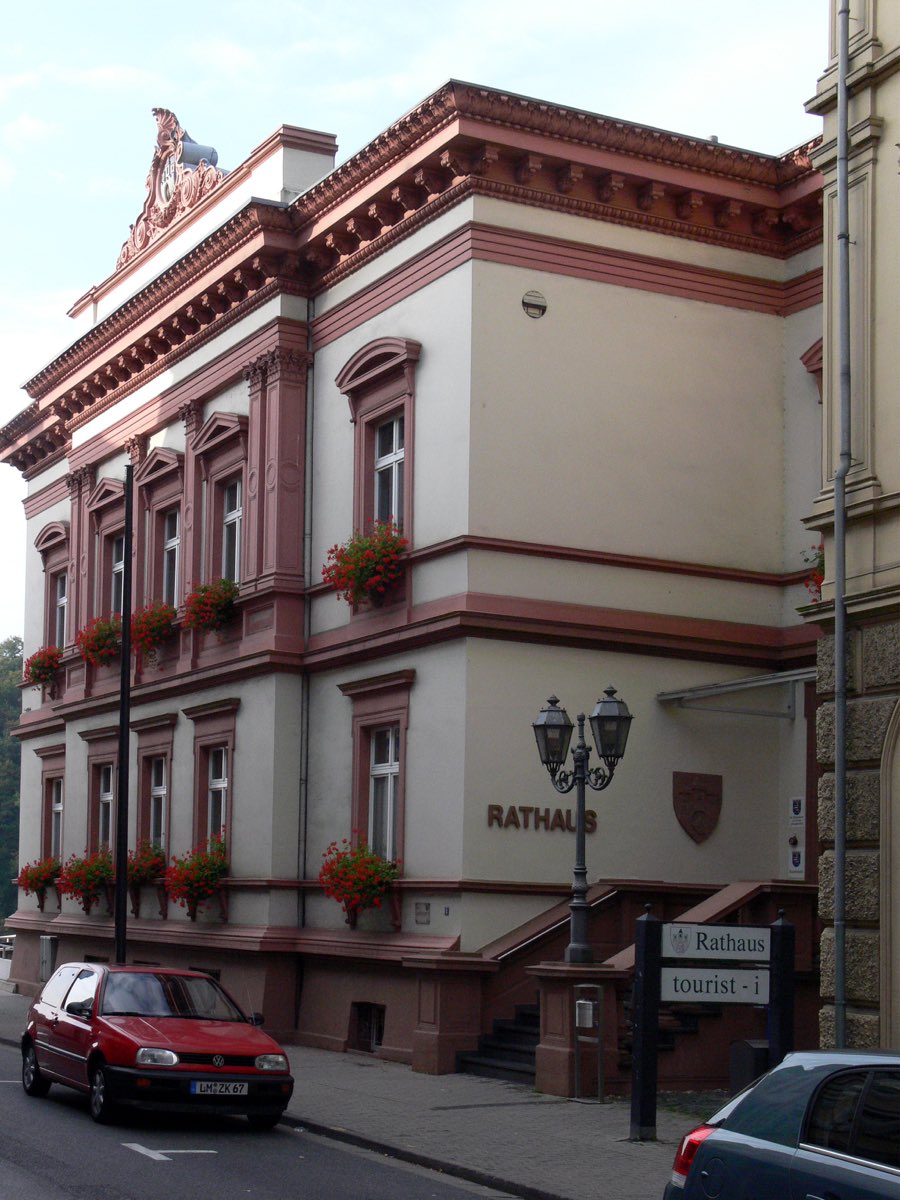 Application Guides How to Apply to a German University: uni-assist, anabin and Deadlines
Most international students apply to German universities through uni-assist, with key deadlines typically set for July 15 and January 15.
Application Guides How to Apply to a German University: uni-assist, anabin and Deadlines
Most international students apply to German universities through uni-assist, with key deadlines typically set for July 15 and January 15.
 Rankings & Comparisons University or Hochschule? Choosing Between Research and Applied Sciences in Germany
Choosing between a university and a Hochschule in Germany depends on your career goals and whether you prefer a research or practice-led education.
Rankings & Comparisons University or Hochschule? Choosing Between Research and Applied Sciences in Germany
Choosing between a university and a Hochschule in Germany depends on your career goals and whether you prefer a research or practice-led education.
 Application Guides uni-assist Explained: How International Applications to German Universities Really Work
uni-assist simplifies the application process to 210 German institutions, verifying qualifications and forwarding applications to universities.
Application Guides uni-assist Explained: How International Applications to German Universities Really Work
uni-assist simplifies the application process to 210 German institutions, verifying qualifications and forwarding applications to universities.
Hochschule Bonn-Rhein-Sieg
Technische Universität Dresden
Hochschule Fresenius - University of Applied Sciences
Heinrich Heine University Düsseldorf
University of Tübingen
Technische Universität Dresden