Bachelor's Degree
History
Binational Bachelor's Degree in History – TübAix
University of Tübingen
⏱ 6 semesters 🎓 Full Time
at University of Tübingen · Tübingen, Baden-Württemberg
Duration
4 semesters
Tuition
On request
Intake
Winter semester, Summer semester
Mode
Full Time
The Master's programme in Astro and Particle Physics at the University of Tübingen is designed for students who wish to delve into understanding the fundamental aspects of the universe, from the smallest particles to the vastness of space. This programme encompasses both theoretical and experimental physics, providing students with a broad foundation in various topics such as cosmology, astrophysics, and quantum field theory. The curriculum is structured over four semesters, incorporating a mix of lectures, laboratory work, seminars, and project work, allowing students to engage with cutting-edge research and technologies.
Students typically start with a core set of modules, earning ECTS credits that contribute to their overall qualification. The University of Tübingen emphasizes a hands-on approach to learning; therefore, practical modules enhance students' experiences in real-world settings. In their final semester, students are expected to complete a master's thesis, which involves conducting independent research, further honing their analytical, problem-solving, and research skills.
This programme is ideally suited for individuals with a background in physics or a related field, who have a keen interest in pursuing careers in academia, research, or industry. Students are encouraged to collaborate with local research institutions and industry partners, benefiting from Tübingen's vibrant academic community and extensive ties to the German research landscape.
Moreover, the German education system provides opportunities for international students to work while studying, and upon graduation, they can apply for an 18-month post-study job-seeking permit, which allows them to explore employment options in Germany and gain valuable experience within the country’s robust science and technology sectors.
Graduates from this programme can find career opportunities in various sectors including academia, government research institutions, and private industries focused on advanced technology and data analysis.
It typically takes 4 semesters, with intakes in Winter semester, Summer semester.
AstrophysicistParticle PhysicistResearch Scientist in National LaboratoriesData Analyst in High-Energy Physics ExperimentsScience CommunicatorSoftware Developer in Scientific ComputingGraduates from this programme can find career opportunities in various sectors including academi...
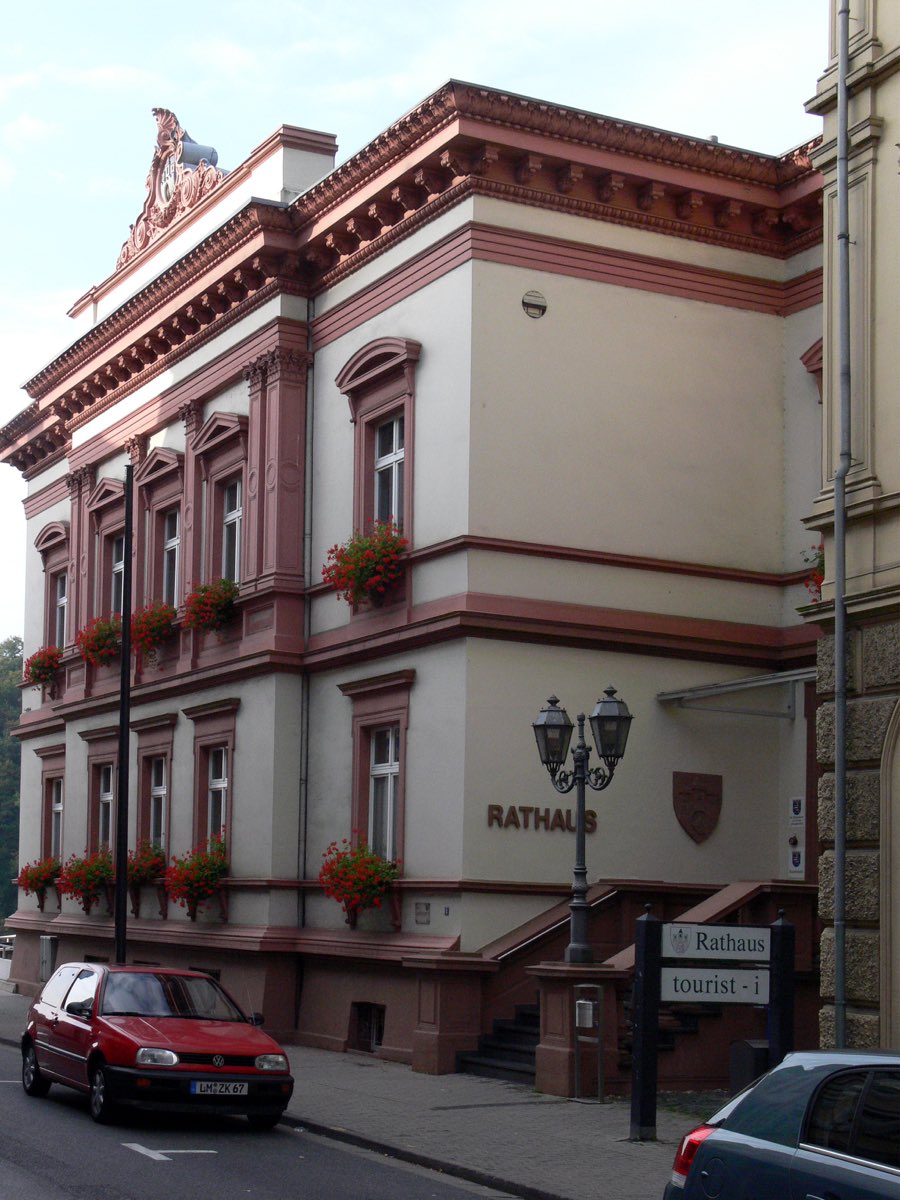 Application Guides How to Apply to a German University: uni-assist, anabin and Deadlines
Most international students apply to German universities through uni-assist, with key deadlines typically set for July 15 and January 15.
Application Guides How to Apply to a German University: uni-assist, anabin and Deadlines
Most international students apply to German universities through uni-assist, with key deadlines typically set for July 15 and January 15.
 Rankings & Comparisons University or Hochschule? Choosing Between Research and Applied Sciences in Germany
Choosing between a university and a Hochschule in Germany depends on your career goals and whether you prefer a research or practice-led education.
Rankings & Comparisons University or Hochschule? Choosing Between Research and Applied Sciences in Germany
Choosing between a university and a Hochschule in Germany depends on your career goals and whether you prefer a research or practice-led education.
 Application Guides uni-assist Explained: How International Applications to German Universities Really Work
uni-assist simplifies the application process to 210 German institutions, verifying qualifications and forwarding applications to universities.
Application Guides uni-assist Explained: How International Applications to German Universities Really Work
uni-assist simplifies the application process to 210 German institutions, verifying qualifications and forwarding applications to universities.
University of Tübingen
University of Tübingen
Hochschule für Musik und Theater München
University of Tübingen
Leipzig University
Johannes Gutenberg University Mainz