Bachelor's Degree
Fine Arts
Bachelor of Fine Arts
University of Hamburg
⏱ 8 semesters 🎓 Full Time
💰 No tuition fees
at University of Hamburg · Hamburg
Duration
4 semesters
Tuition
No tuition fees
Intake
Winter semester
Mode
Full Time
The Master’s program in Marine Ecosystem and Fisheries Sciences at the University of Hamburg is designed for students interested in the intricate workings of marine environments and the sustainable management of fishery resources. Over the four semesters, students will engage in both theoretical and practical components that encompass ecological principles, marine biology, fishery management, and the conservation of marine ecosystems. The program's structure puts a strong emphasis on making use of Hamburg's unique geographical advantages, including access to key marine research facilities and connections with local and global marine industries.
The curriculum combines various modules aimed at enhancing understanding of marine systems and fisheries, ensuring that graduates are well-equipped to tackle contemporary challenges such as overfishing, habitat degradation, and climate change. Students will earn ECTS credits as they progress through the program, with a significant focus on collaborative assignments and research projects that allow for hands-on learning experiences. The final semester is typically devoted to a thesis project, where students can dive deeper into a specific area of interest within marine sciences.
To prepare students for the job market, the program includes an internship or a practical semester, enabling them to gain essential industry experience and professional networking opportunities. This is particularly important in Germany, known for its strong Mittelstand (small to medium-sized enterprises), which plays a crucial role in marine resource management and conservation practices. The skills developed in this program, such as critical thinking, analytical skills, and research capabilities, are crucial for success in various sectors.
This program is especially suitable for those passionate about environmental science, marine biology, and fisheries management. It is ideal for individuals who thrive in collaborative settings and are motivated to contribute to sustainable development in marine environments. The German context provides additional advantages, such as the 18-month post-study job-seeking permit for international graduates, allowing them to explore career opportunities in the dynamic marine science landscape.
Typical industries for these roles include government agencies, environmental NGOs, academia, and the aquaculture and fisheries sectors. The program prepares graduates to meet the demands of both established organizations and startups in the growing fields of marine technology and sustainable fisheries.
It typically takes 4 semesters, with intakes in Winter semester.
Tuition is around No tuition fees. Fees change yearly — confirm with an advisor.
Marine Ecologist - Working in research or conservation organizationsFisheries Biologist - Involved in management and sustainability practicesEnvironmental Consultant - Advising on marine policy and environmental impactOceanographer - Focusing on physical and biological ocean proc...
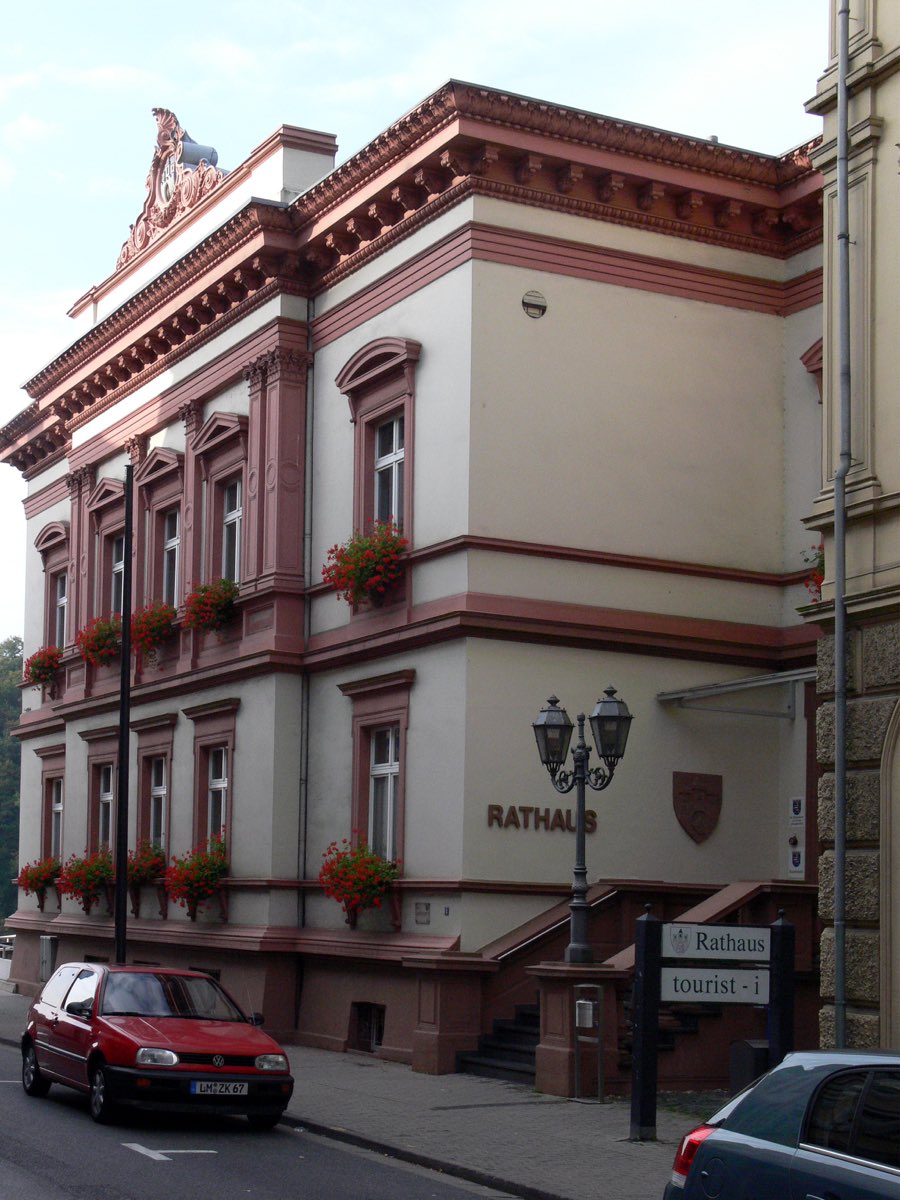 Application Guides How to Apply to a German University: uni-assist, anabin and Deadlines
Most international students apply to German universities through uni-assist, with key deadlines typically set for July 15 and January 15.
Application Guides How to Apply to a German University: uni-assist, anabin and Deadlines
Most international students apply to German universities through uni-assist, with key deadlines typically set for July 15 and January 15.
 Rankings & Comparisons University or Hochschule? Choosing Between Research and Applied Sciences in Germany
Choosing between a university and a Hochschule in Germany depends on your career goals and whether you prefer a research or practice-led education.
Rankings & Comparisons University or Hochschule? Choosing Between Research and Applied Sciences in Germany
Choosing between a university and a Hochschule in Germany depends on your career goals and whether you prefer a research or practice-led education.
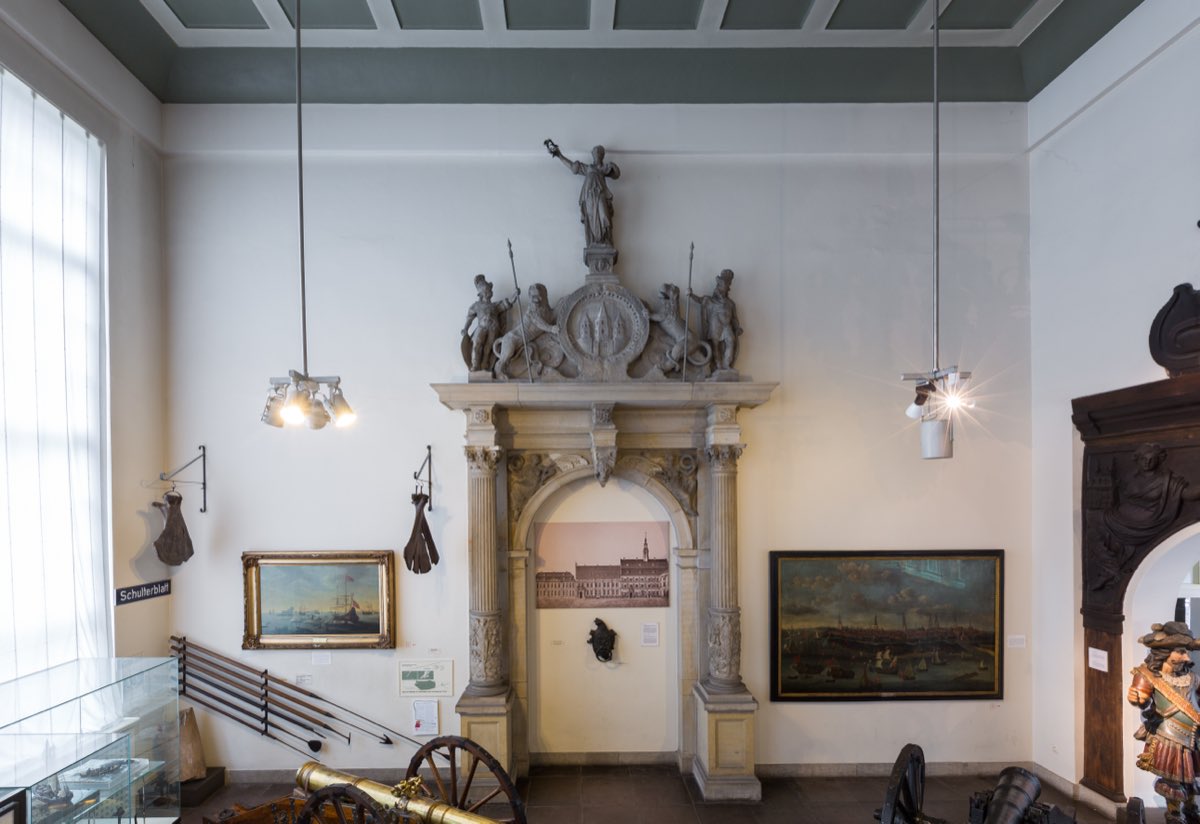 Application Guides uni-assist Explained: How International Applications to German Universities Really Work
uni-assist simplifies the application process to 210 German institutions, verifying qualifications and forwarding applications to universities.
Application Guides uni-assist Explained: How International Applications to German Universities Really Work
uni-assist simplifies the application process to 210 German institutions, verifying qualifications and forwarding applications to universities.
University of Hamburg
University of Hamburg
University of Hamburg
University of Hamburg
University of Hamburg
University of Hamburg