Bachelor's Degree
Fine Arts
Bachelor of Fine Arts
University of Hamburg
⏱ 8 semesters 🎓 Full Time
💰 No tuition fees
at University of Hamburg · Hamburg
Duration
4 semesters
Tuition
No tuition fees
Intake
Winter semester
Mode
Full Time
The Master of Science in Economics at the University of Hamburg is designed to equip students with a deep understanding of economic theories, quantitative and qualitative methods, and the ability to apply these in real-world scenarios. Spanning four semesters, the program combines advanced theoretical frameworks with practical applications, offering modules that cover microeconomics, macroeconomics, econometrics, and various specialized topics in economics. This rigorous academic structure ensures that students gain a well-rounded education suitable for addressing complex economic issues.
In Germany, Master's programs are often structured around a combination of coursework and research, allowing students to earn ECTS credits through both theoretical lessons and practical experience. The University of Hamburg emphasizes practical learning through group projects and case studies, culminating in a thesis that showcases the student's ability to conduct independent research and contribute original insights to the field of economics. The program is particularly suited for individuals seeking careers in analysis, research, or policy-making.
Students will acquire a range of valuable skills throughout the course, including strong analytical abilities, critical thinking, and proficiency in statistical software. They will also develop communication skills that are essential for presenting economic concepts and findings effectively. The program is ideal for those who are motivated, inquisitive, and looking to make a significant impact in various sectors, including public policy, private enterprise, and international organizations.
Moreover, studying in Hamburg offers students a unique advantage. The city is home to a vibrant economic landscape, with numerous industry partners and research institutions that often collaborate with the university. With Germany's post-study job-seeking permit allowing graduates to remain in the country for 18 months after finishing their degree, students have ample opportunity to explore employment options while integrating into the dynamic German job market.
Graduates from this program will find opportunities in various sectors including:
It typically takes 4 semesters, with intakes in Winter semester.
Tuition is around No tuition fees. Fees change yearly — confirm with an advisor.
Economic Analyst Policy Advisor Data Scientist Market Researcher Management Consultant Graduates from this program will find opportunities in various sectors including: Government agencies International organizations Financial institutions Consulting firms Non-profit organization...
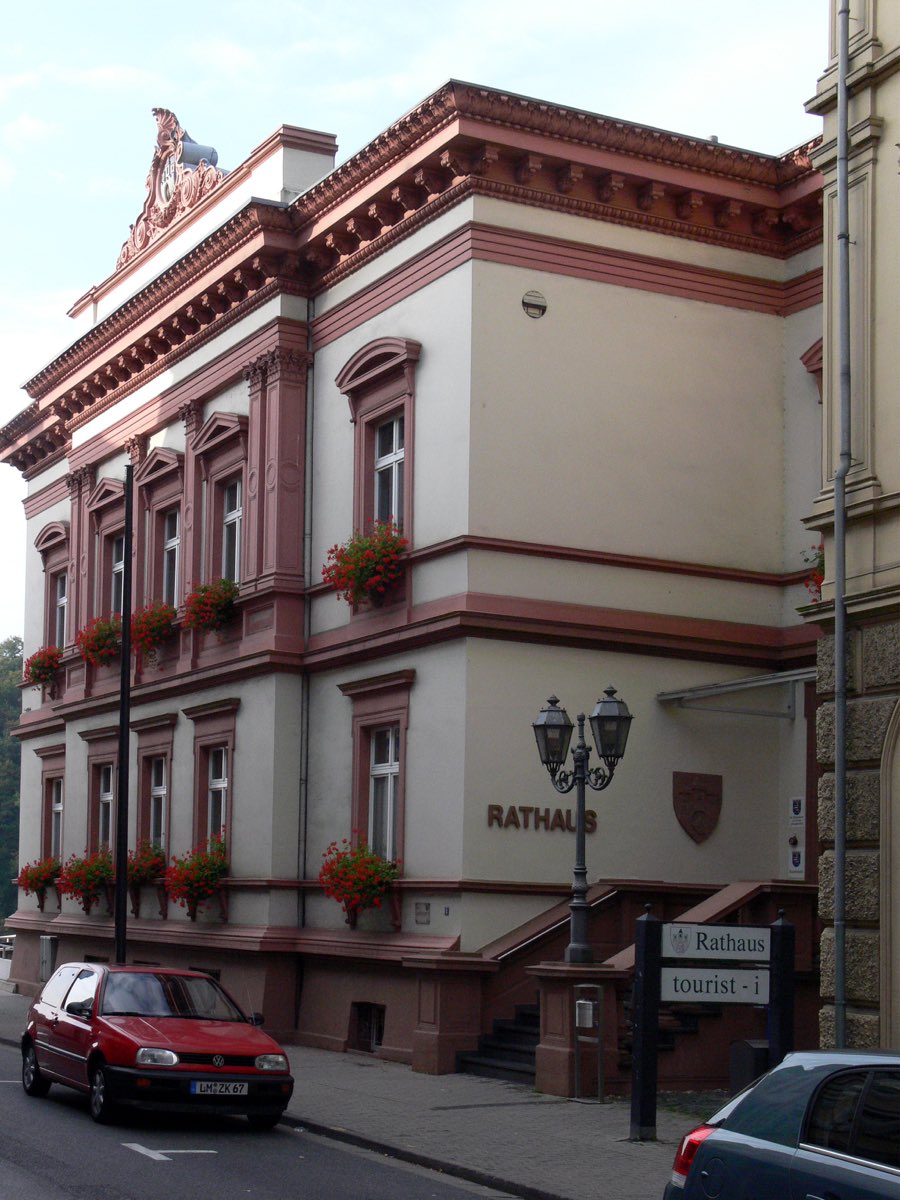 Application Guides How to Apply to a German University: uni-assist, anabin and Deadlines
Most international students apply to German universities through uni-assist, with key deadlines typically set for July 15 and January 15.
Application Guides How to Apply to a German University: uni-assist, anabin and Deadlines
Most international students apply to German universities through uni-assist, with key deadlines typically set for July 15 and January 15.
 Rankings & Comparisons University or Hochschule? Choosing Between Research and Applied Sciences in Germany
Choosing between a university and a Hochschule in Germany depends on your career goals and whether you prefer a research or practice-led education.
Rankings & Comparisons University or Hochschule? Choosing Between Research and Applied Sciences in Germany
Choosing between a university and a Hochschule in Germany depends on your career goals and whether you prefer a research or practice-led education.
 Application Guides uni-assist Explained: How International Applications to German Universities Really Work
uni-assist simplifies the application process to 210 German institutions, verifying qualifications and forwarding applications to universities.
Application Guides uni-assist Explained: How International Applications to German Universities Really Work
uni-assist simplifies the application process to 210 German institutions, verifying qualifications and forwarding applications to universities.
University of Hamburg
University of Hamburg
University of Bamberg
Technical University of Munich
Technical University of Munich
Leuphana University Lüneburg