Bachelor's Degree
Fine Arts
Bachelor of Fine Arts
University of Hamburg
⏱ 8 semesters 🎓 Full Time
💰 No tuition fees
at University of Hamburg · Hamburg
Duration
4 semesters
Tuition
No tuition fees
Intake
Winter semester
Mode
Full Time
The Master of Science in Geodesy and Geoinformatics with a Specialisation in Hydrography at the University of Hamburg is designed to equip students with advanced knowledge and skills in the measurement and analysis of spatial data. The programme focuses on hydrographic surveying, which is essential for understanding and managing aquatic environments, including oceans, rivers, and lakes. Students will engage in practical training to enhance their data collection, processing, and interpretation skills, making them adept at utilizing geoinformatic tools in real-world situations.
Structured over four semesters, the master's programme comprises a combination of theoretical modules and practical applications. It offers a thorough grounding in geodesic principles and modern geoinformatics techniques. The educational framework includes opportunities for internships or practical semesters, particularly valuable for students wishing to gain hands-on experience in the German job market. Through this combination, students gain a comprehensive understanding of the hydrographic field.
Students will work on projects that require critical thinking and problem-solving abilities, applying their learning to real-world challenges in hydrographic surveying. The skills developed during this program extend beyond technical proficiency in geoinformatics; students will also cultivate teamwork, communication, and analytical skills that are highly valued in scientific research and industry.
This master's programme is ideal for those passionate about environmental science, maritime industries, and the application of geospatial technology for resource management. It particularly suits individuals seeking careers that have links to industrial partners in Germany's renowned Mittelstand sector, providing ample opportunity for collaboration and employment after graduation.
Graduates can find opportunities in various sectors across Germany, including public agencies, environmental consultancies, maritime industries, and governmental organizations. Additionally, the programme's emphasis on practical skills positions students well in the job market, especially considering Germany's post-study job-seeking permit policy, which allows graduates to stay for 18 months to find employment.
It typically takes 4 semesters, with intakes in Winter semester.
Tuition is around No tuition fees. Fees change yearly — confirm with an advisor.
Career OutcomesHydrographic SurveyorGeoinformatics SpecialistEnvironmental ConsultantData Analyst in Geospatial TechnologiesResearch Scientist in HydrologyGraduates can find opportunities in various sectors across Germany, including public agencies, environmental consultancies, m...
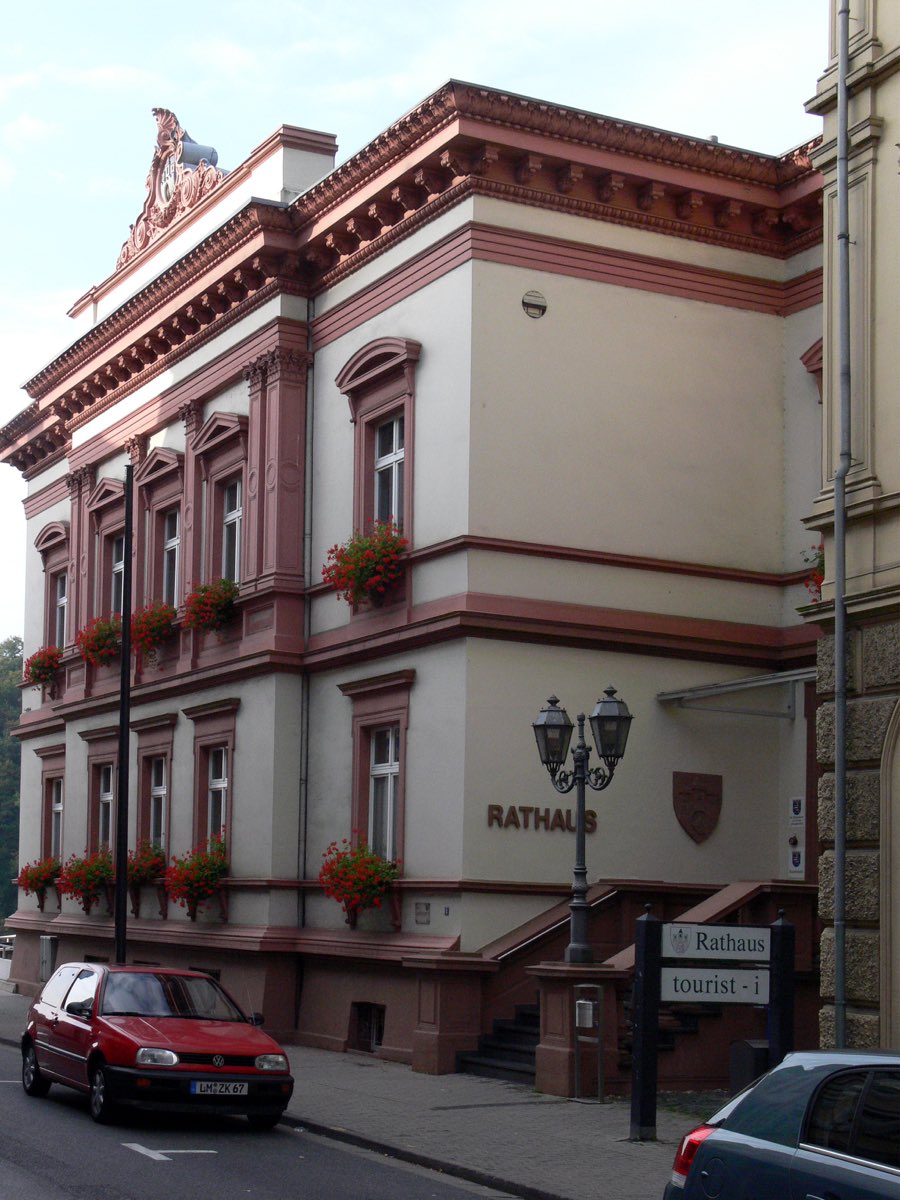 Application Guides How to Apply to a German University: uni-assist, anabin and Deadlines
Most international students apply to German universities through uni-assist, with key deadlines typically set for July 15 and January 15.
Application Guides How to Apply to a German University: uni-assist, anabin and Deadlines
Most international students apply to German universities through uni-assist, with key deadlines typically set for July 15 and January 15.
 Rankings & Comparisons University or Hochschule? Choosing Between Research and Applied Sciences in Germany
Choosing between a university and a Hochschule in Germany depends on your career goals and whether you prefer a research or practice-led education.
Rankings & Comparisons University or Hochschule? Choosing Between Research and Applied Sciences in Germany
Choosing between a university and a Hochschule in Germany depends on your career goals and whether you prefer a research or practice-led education.
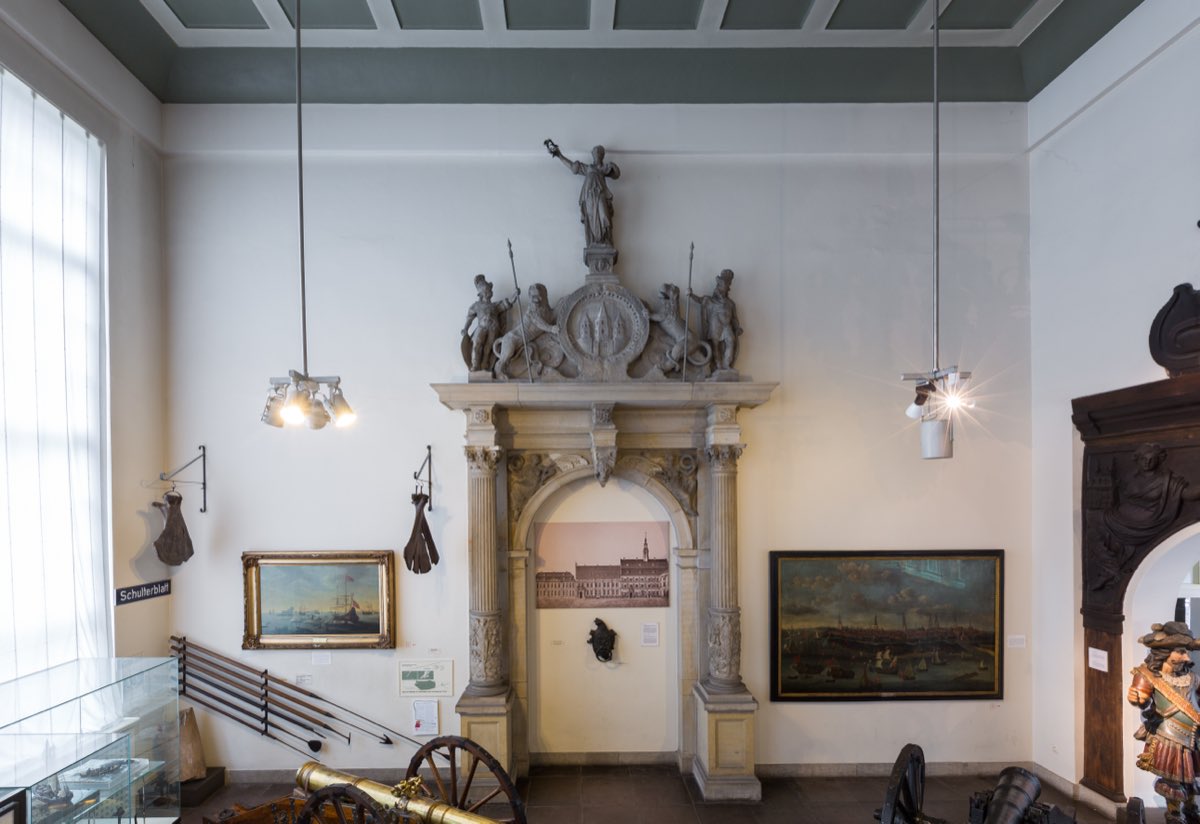 Application Guides uni-assist Explained: How International Applications to German Universities Really Work
uni-assist simplifies the application process to 210 German institutions, verifying qualifications and forwarding applications to universities.
Application Guides uni-assist Explained: How International Applications to German Universities Really Work
uni-assist simplifies the application process to 210 German institutions, verifying qualifications and forwarding applications to universities.
University of Hamburg
University of Hamburg
University of Hamburg
Technical University of Munich
University of Hamburg
University of Bremen