Bachelor's Degree
Sociology
Modern China, Bachelor of Arts (BA)
Julius-Maximilians-Universität Würzburg
⏱ 6 semesters 🎓 Full Time
💰 No tuition fees
at Julius-Maximilians-Universität Würzburg · Würzburg, Bavaria
Duration
4 semesters
Tuition
No tuition fees
Intake
Winter semester, Summer semester
Mode
Full Time
The Master of Science in Biology with a specialization in Behavioural Neurobiology / Neuroethology at Julius-Maximilians-Universität Würzburg provides an advanced understanding of the biological mechanisms underlying behavior at both the neural and evolutionary levels. The program is structured over four semesters, encompassing core modules that delve into neurobiology and ethology, supplemented by elective courses that allow students to explore various related fields. This comprehensive curriculum enables students to develop critical insights into how neural processes influence behavior in different species.
In accordance with the standards of German universities, students earn European Credit Transfer and Accumulation System (ECTS) credits, with a significant focus on hands-on research and practical applications. A pivotal component of the program includes the thesis, allowing students to engage in independent research, often in collaboration with industry partners and research institutions within Germany, known for their robust biotechnology and neurobiology sectors.
The program is designed for individuals passionate about understanding the complex interactions between neural function and behavior. Students not only gain theoretical knowledge but also practical skills in experimental techniques and data analysis, preparing them for challenging professional roles in various scientific domains.
The Master's in Behavioural Neurobiology / Neuroethology suits those looking to further their career in biological research or applied sciences. The German academic and professional landscape offers unique opportunities for networking and collaboration, aligning with the country's strong emphasis on research and innovation.
Industries in Germany that actively seek graduates of this program include biotechnology firms, academic institutions, environmental NGOs, and research facilities, especially those aligned with the country's renowned Mittelstand sector.
It typically takes 4 semesters, with intakes in Winter semester, Summer semester.
Tuition is around No tuition fees. Fees change yearly — confirm with an advisor.
Neuroscientist in research institutionsBehavioral ecologist in environmental organizationsBiotechnology industry rolesAcademic positions in universitiesRoles in science communication and educationIndustries in Germany that actively seek graduates of this program include biotechno...
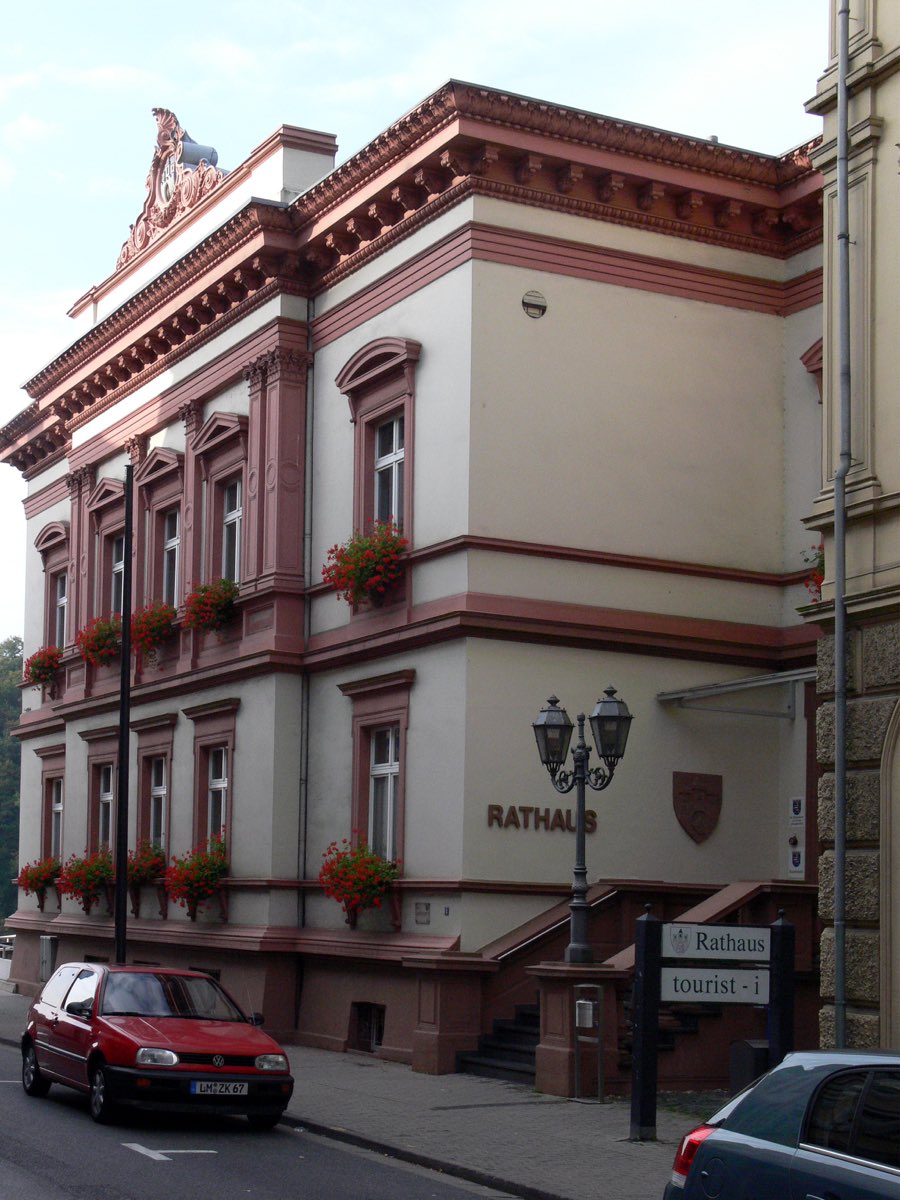 Application Guides How to Apply to a German University: uni-assist, anabin and Deadlines
Most international students apply to German universities through uni-assist, with key deadlines typically set for July 15 and January 15.
Application Guides How to Apply to a German University: uni-assist, anabin and Deadlines
Most international students apply to German universities through uni-assist, with key deadlines typically set for July 15 and January 15.
 Rankings & Comparisons University or Hochschule? Choosing Between Research and Applied Sciences in Germany
Choosing between a university and a Hochschule in Germany depends on your career goals and whether you prefer a research or practice-led education.
Rankings & Comparisons University or Hochschule? Choosing Between Research and Applied Sciences in Germany
Choosing between a university and a Hochschule in Germany depends on your career goals and whether you prefer a research or practice-led education.
 Application Guides uni-assist Explained: How International Applications to German Universities Really Work
uni-assist simplifies the application process to 210 German institutions, verifying qualifications and forwarding applications to universities.
Application Guides uni-assist Explained: How International Applications to German Universities Really Work
uni-assist simplifies the application process to 210 German institutions, verifying qualifications and forwarding applications to universities.
Julius-Maximilians-Universität Würzburg
University of Bremen
Julius-Maximilians-Universität Würzburg
Technical University of Munich
University of Bonn
Justus Liebig University Giessen