Bachelor's Degree
Sociology
Modern China, Bachelor of Arts (BA)
Julius-Maximilians-Universität Würzburg
⏱ 6 semesters 🎓 Full Time
💰 No tuition fees
at Julius-Maximilians-Universität Würzburg · Würzburg, Bavaria
Duration
4 semesters
Tuition
No tuition fees
Intake
Winter semester, Summer semester
Mode
Full Time
The Master of Science in Cell and Infection Biology at Julius-Maximilians-Universität Würzburg provides an in-depth understanding of the molecular mechanisms of cell biology and the interplay between pathogens and host cells. The programme covers various topics including cell structure and function, signaling pathways, and host-pathogen interactions. Students are exposed to cutting-edge research and innovative techniques that are relevant in the biotechnology and medical fields.
Structured over four semesters, the curriculum is designed to combine theoretical knowledge with practical experience. Students complete a range of modules that provide 120 ECTS credits, culminating in a master's thesis that allows for independent research in a specialized topic. This challenging yet rewarding structure is ideal for those who seek to advance their careers in scientific research or industry.
The programme is particularly well-suited for individuals with a background in biology or related fields who are keen on gaining specialized skills in cell and infection biology. During the course, students will develop critical analytical skills, laboratory techniques, and a solid understanding of the biomedical implications of cellular interactions.
Alongside theoretical learning, students engage in laboratory work, promoting hands-on experience with advanced methods and technologies. Moreover, the German context fosters numerous partnership opportunities with local companies and research institutions, enhancing the employability of graduates. Additionally, holders of a master's degree in Germany enjoy an 18-month post-study job-seeking permit, allowing them to explore various career options while gaining valuable work experience.
Typical industries that hire graduates include the biotechnology sector, pharmaceuticals, academic and clinical research institutions, and public health organizations.
It typically takes 4 semesters, with intakes in Winter semester, Summer semester.
Tuition is around No tuition fees. Fees change yearly — confirm with an advisor.
Research Scientist in Biomedical ResearchLaboratory Technologist in Biotechnology CompaniesQuality Control Analyst in Pharmaceutical IndustriesClinical Research Associate in HospitalsRegulatory Affairs SpecialistTypical industries that hire graduates include the biotechnology sec...
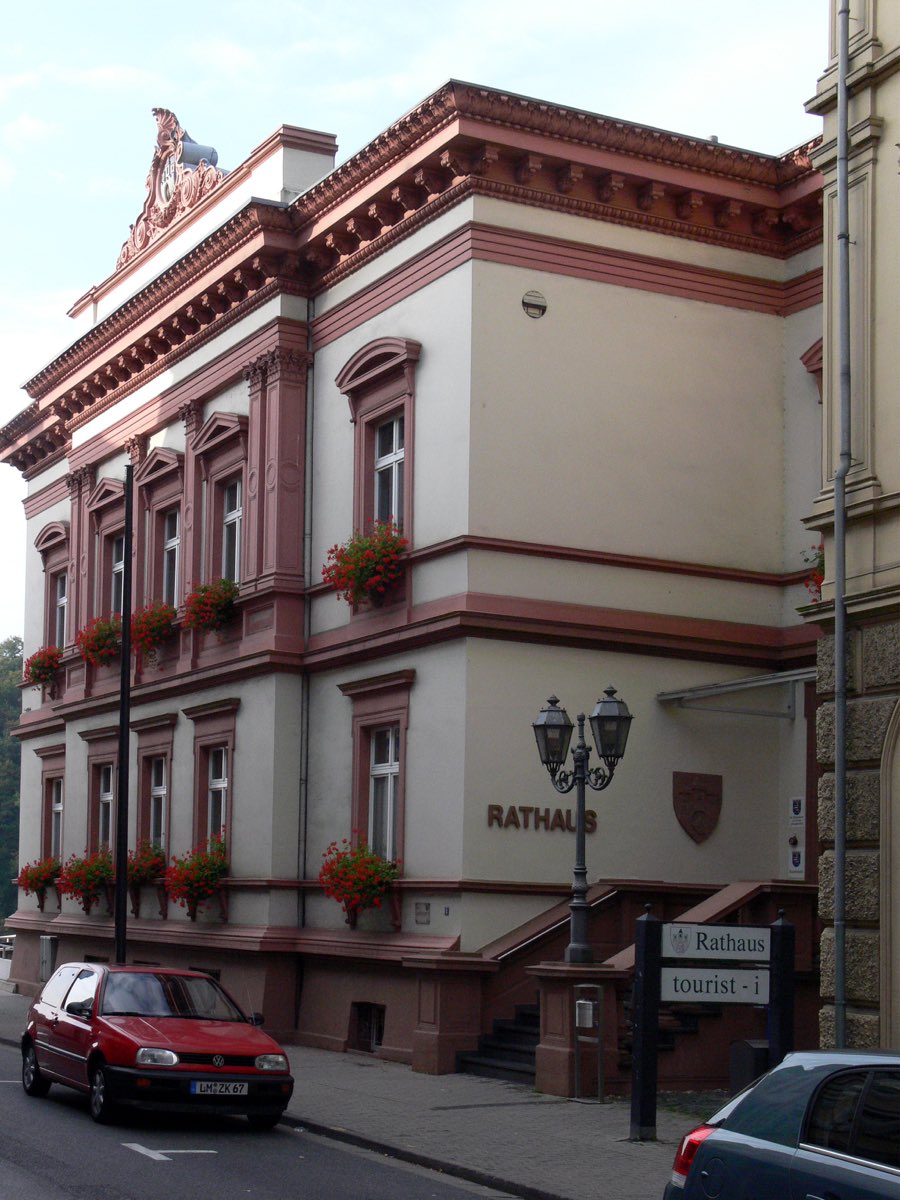 Application Guides How to Apply to a German University: uni-assist, anabin and Deadlines
Most international students apply to German universities through uni-assist, with key deadlines typically set for July 15 and January 15.
Application Guides How to Apply to a German University: uni-assist, anabin and Deadlines
Most international students apply to German universities through uni-assist, with key deadlines typically set for July 15 and January 15.
 Rankings & Comparisons University or Hochschule? Choosing Between Research and Applied Sciences in Germany
Choosing between a university and a Hochschule in Germany depends on your career goals and whether you prefer a research or practice-led education.
Rankings & Comparisons University or Hochschule? Choosing Between Research and Applied Sciences in Germany
Choosing between a university and a Hochschule in Germany depends on your career goals and whether you prefer a research or practice-led education.
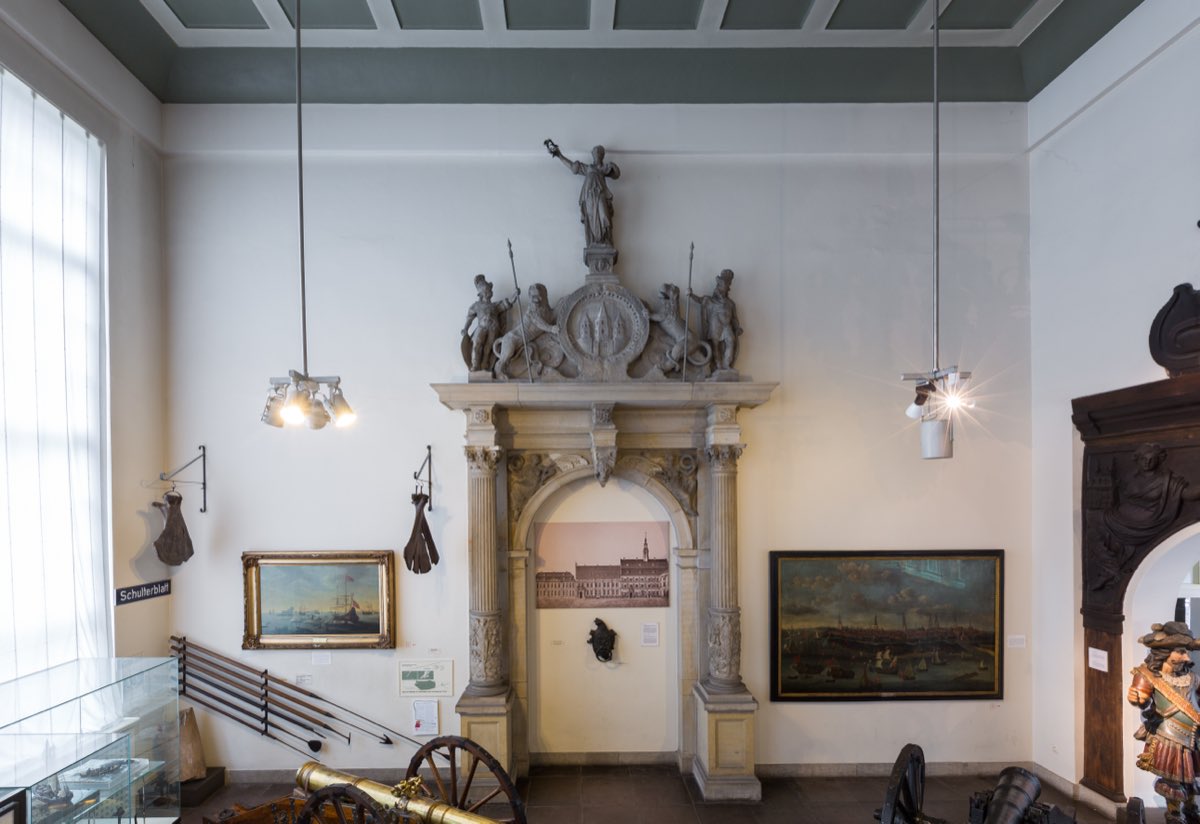 Application Guides uni-assist Explained: How International Applications to German Universities Really Work
uni-assist simplifies the application process to 210 German institutions, verifying qualifications and forwarding applications to universities.
Application Guides uni-assist Explained: How International Applications to German Universities Really Work
uni-assist simplifies the application process to 210 German institutions, verifying qualifications and forwarding applications to universities.
Julius-Maximilians-Universität Würzburg
University of Bremen
Julius-Maximilians-Universität Würzburg
Technical University of Munich
University of Bonn
Justus Liebig University Giessen