Bachelor's Degree
Sociology
Modern China, Bachelor of Arts (BA)
Julius-Maximilians-Universität Würzburg
⏱ 6 semesters 🎓 Full Time
💰 No tuition fees
at Julius-Maximilians-Universität Würzburg · Würzburg, Bavaria
Duration
4 semesters
Tuition
No tuition fees
Intake
Winter semester, Summer semester
Mode
Full Time
The Master of Science in Protein Chemistry at Julius-Maximilians-Universität Würzburg offers an in-depth exploration of the complex structures and functions of proteins, an essential aspect of biological chemistry. Over four semesters, students engage with advanced topics in protein science, including protein synthesis, modification, structure determination, and function. The program is designed to equip students with both theoretical understanding and practical skills essential for scientific research and application in various industries.
Students will experience a modular curriculum built around the integration of knowledge and hands-on experience, facilitating a well-rounded education in protein chemistry. Each semester consists of defined modules that contribute to achieving the European Credit Transfer and Accumulation System (ECTS) points, ensuring that students keep pace with rigorous academic standards. Alongside coursework, students are encouraged to engage in a research or internship semester, which is integral for gaining practical experience and following the applied sciences model prevalent in German universities.
This program is well-suited for individuals with a strong foundation in biology or chemistry who are interested in delving deeper into the molecular mechanisms of proteins. The academic environment promotes collaborative learning, allowing students to work alongside faculty on research projects. The vibrant research community of Würzburg enhances the study experience, providing connections to local industries and research institutions.
Students in this program not only gain knowledge but also develop critical skills such as analytical thinking, problem-solving, and laboratory techniques. The international nature of the program, taught entirely in English, attracts a diverse group of students, fostering a multicultural study atmosphere while preparing graduates for the global job market.
These roles are vital in industries such as pharmaceuticals, biotechnology, and academia, where the demand for expertise in protein chemistry is ever-growing. The German context provides advantages such as an 18-month post-study job-seeking permit, enabling graduates to secure employment in the robust German job market while additionally benefitting from opportunities to work while studying.
It typically takes 4 semesters, with intakes in Winter semester, Summer semester.
Tuition is around No tuition fees. Fees change yearly — confirm with an advisor.
Protein Chemist in pharmaceutical companiesBiochemist in research institutionsQuality Control Specialist in biotechnologyRegulatory Affairs Specialist in food industriesResearch Scientist in academic settingsThese roles are vital in industries such as pharmaceuticals, biotechnolo...
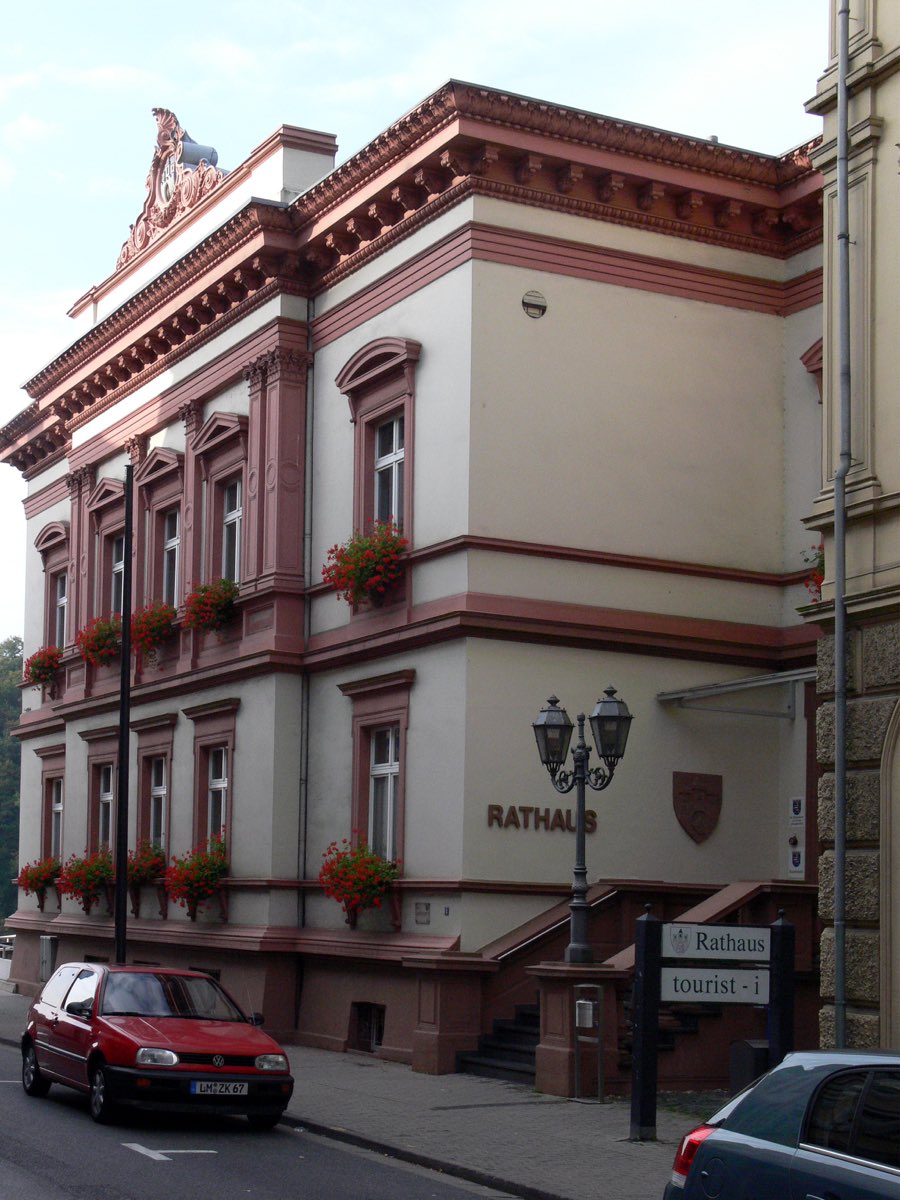 Application Guides How to Apply to a German University: uni-assist, anabin and Deadlines
Most international students apply to German universities through uni-assist, with key deadlines typically set for July 15 and January 15.
Application Guides How to Apply to a German University: uni-assist, anabin and Deadlines
Most international students apply to German universities through uni-assist, with key deadlines typically set for July 15 and January 15.
 Rankings & Comparisons University or Hochschule? Choosing Between Research and Applied Sciences in Germany
Choosing between a university and a Hochschule in Germany depends on your career goals and whether you prefer a research or practice-led education.
Rankings & Comparisons University or Hochschule? Choosing Between Research and Applied Sciences in Germany
Choosing between a university and a Hochschule in Germany depends on your career goals and whether you prefer a research or practice-led education.
 Application Guides uni-assist Explained: How International Applications to German Universities Really Work
uni-assist simplifies the application process to 210 German institutions, verifying qualifications and forwarding applications to universities.
Application Guides uni-assist Explained: How International Applications to German Universities Really Work
uni-assist simplifies the application process to 210 German institutions, verifying qualifications and forwarding applications to universities.
Julius-Maximilians-Universität Würzburg
University of Bremen
Julius-Maximilians-Universität Würzburg
Technical University of Munich
University of Bonn
Justus Liebig University Giessen