Bachelor's Degree
Computer Science
Applied Informatics
Weihenstephan-Triesdorf University of Applied Sciences
⏱ 7 semesters 🎓 Full Time
💰 No tuition fees
at Weihenstephan-Triesdorf University of Applied Sciences · Freising, Bavaria
Duration
4 semesters
Tuition
No tuition fees
Intake
Winter semester
Mode
Full Time
The Master's Degree in Climate Change Management (MCC) at Weihenstephan-Triesdorf University of Applied Sciences equips students with the knowledge and skills necessary to address the multifaceted challenges posed by climate change. The programme focuses on integrating landscape architecture practices with sustainable management strategies, allowing students to explore innovative solutions for environmental issues. Through a combination of theoretical insights and practical applications, participants are prepared to make a significant impact in the field.
This 4-semester programme is structured around the European Credit Transfer and Accumulation System (ECTS), facilitating consistency and quality across academic institutions. Students engage in a variety of modules that cover topics related to climate science, ecological design, and sustainability practices. A vital component of the curriculum is the master's thesis, which enables students to conduct in-depth research on a climate-related topic of their choice, providing valuable insights to the industry.
Additionally, as a university of applied sciences, the programme includes a practical or internship semester, where students gain hands-on experience in the field, collaborating with industry partners. This approach is particularly beneficial, considering Germany's robust Mittelstand—small and medium-sized enterprises that play a crucial role in the economy—offering students a wealth of opportunities to apply their knowledge in real-world settings.
Students of this programme will develop critical thinking abilities, advanced analytical skills, and a strong foundation in climate policy and management. The degree suits individuals passionate about environmental sustainability and those looking to pursue careers that contribute to climate resilience and adaptive strategies.
Graduates can find employment across various German industries including renewable energy, urban development, environmental NGOs, and governmental agencies focused on climate action. The German labor market offers an 18-month post-study job-seeking permit, allowing international graduates to explore job opportunities while benefiting from a strong economy and a commitment to sustainability.
It typically takes 4 semesters, with intakes in Winter semester.
Tuition is around No tuition fees. Fees change yearly — confirm with an advisor.
Climate Change AnalystEnvironmental ConsultantSustainability ManagerLandscape ArchitectUrban PlannerEnvironmental Policy AdvisorGraduates can find employment across various German industries including renewable energy, urban development, environmental NGOs, and governmental agenc...
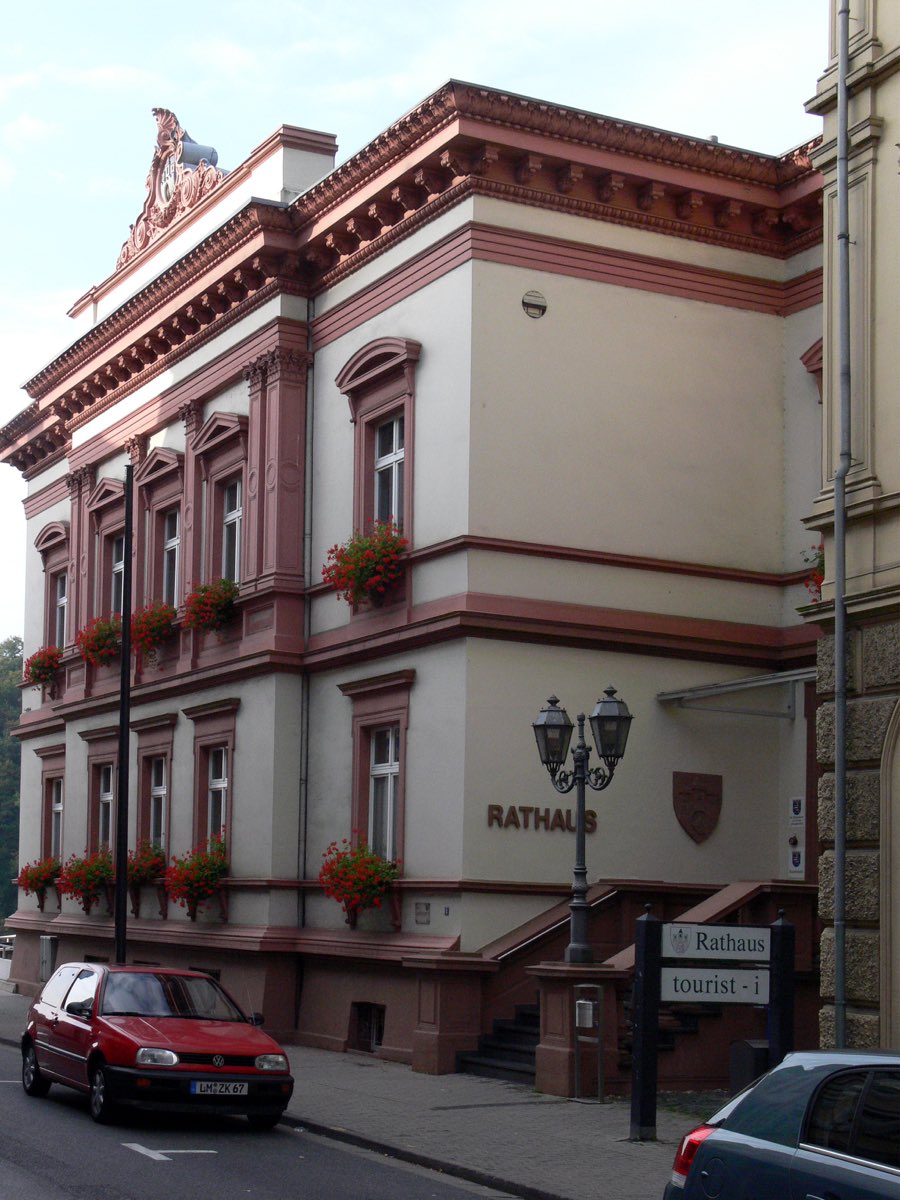 Application Guides How to Apply to a German University: uni-assist, anabin and Deadlines
Most international students apply to German universities through uni-assist, with key deadlines typically set for July 15 and January 15.
Application Guides How to Apply to a German University: uni-assist, anabin and Deadlines
Most international students apply to German universities through uni-assist, with key deadlines typically set for July 15 and January 15.
 Rankings & Comparisons University or Hochschule? Choosing Between Research and Applied Sciences in Germany
Choosing between a university and a Hochschule in Germany depends on your career goals and whether you prefer a research or practice-led education.
Rankings & Comparisons University or Hochschule? Choosing Between Research and Applied Sciences in Germany
Choosing between a university and a Hochschule in Germany depends on your career goals and whether you prefer a research or practice-led education.
 Application Guides uni-assist Explained: How International Applications to German Universities Really Work
uni-assist simplifies the application process to 210 German institutions, verifying qualifications and forwarding applications to universities.
Application Guides uni-assist Explained: How International Applications to German Universities Really Work
uni-assist simplifies the application process to 210 German institutions, verifying qualifications and forwarding applications to universities.
Weihenstephan-Triesdorf University of Applied Sciences
Weihenstephan-Triesdorf University of Applied Sciences
University of Stuttgart
Nürtingen-Geislingen University
Weihenstephan-Triesdorf University of Applied Sciences
Weihenstephan-Triesdorf University of Applied Sciences