Data Science and Artificial Intelligence Programmes in Germany
By TopUniGermany Editorial Team · 09 Aug 2026
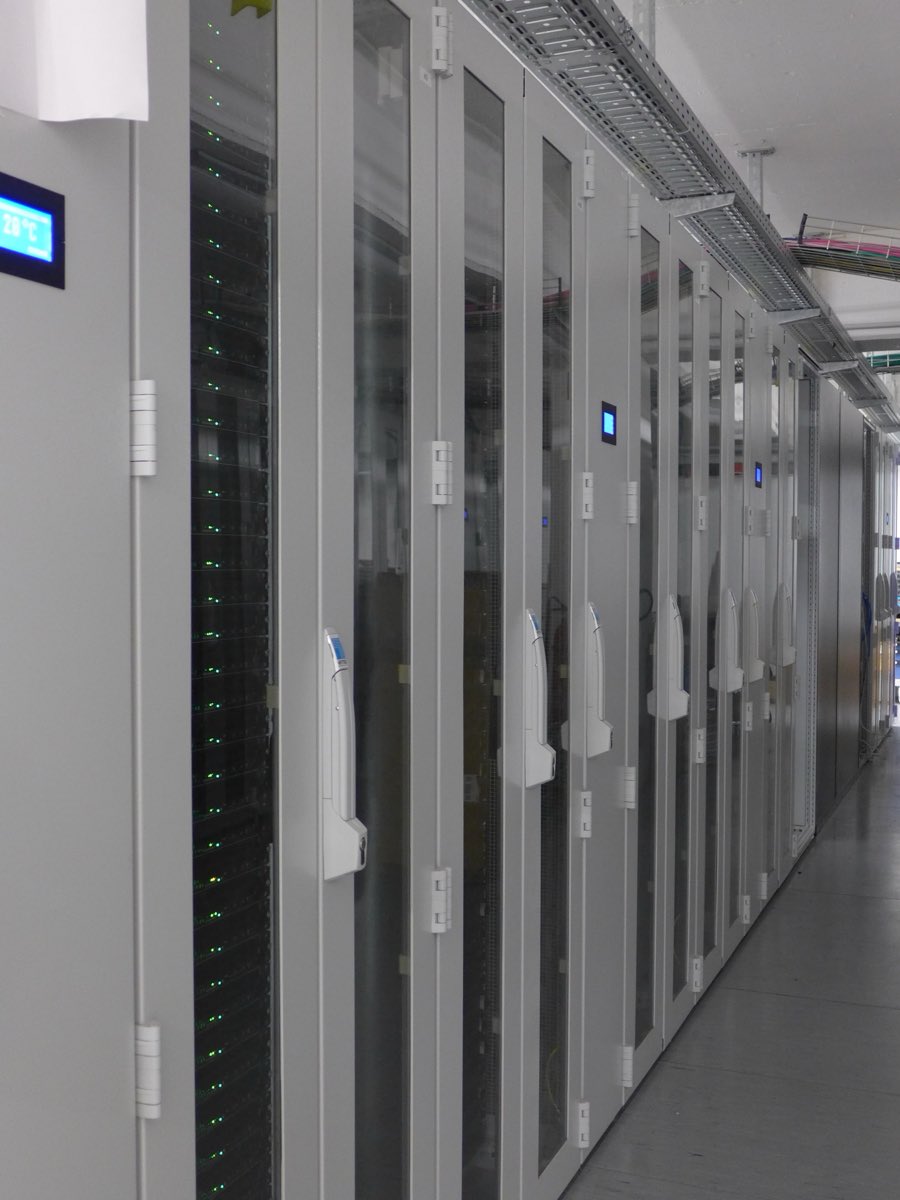
Introduction to Data Science and AI Programmes
Germany is recognized for having a wide array of English-taught master’s programmes in Data Science and Artificial Intelligence, with these offerings being some of the fastest-growing in higher education. As of now, there are 7 Data Science programmes available at various universities across the country, indicating robust growth in this critical field.
These programmes attract students with a quantitative background, often requiring a bachelor's degree that includes coursework in mathematics, statistics, and programming. This necessity aligns with the high demand for professionals skilled in data-driven technologies and methodologies.
Popular Research Locations
Key areas in Germany recognized for their significant contributions to AI and Data Science research include Tübingen, particularly the Cyber Valley initiative, as well as renowned institutions like the Technical University of Munich (TU München), Saarland University, and the Karlsruhe Institute of Technology (KIT). These centers not only provide quality education but also facilitate collaborations with cutting-edge research institutes, enhancing career opportunities for graduates.
Institutions such as Max Planck and Fraunhofer play pivotal roles in providing thesis and doctoral opportunities for advanced studies in Data Science and AI. Students engaged in these research institutes can participate in groundbreaking projects that contribute to their academic and professional development.
Types of Universities
When considering where to apply, it is important to understand the types of institutions offering Data Science programmes. Germany's higher education framework consists of several types of universities:
- Research-led Universities: These include institutions that can award doctorates and focus heavily on academic research.
- Universities of Applied Sciences (HAW/FH): These are practice-led institutions that incorporate internship semesters into their programmes, providing hands-on experience.
- Art/Music/Film Colleges: Admission to these colleges is based on portfolio assessments or auditions, catering to creative fields.
Each type of institution has its own strengths, and prospective students should assess which aligns best with their career goals and educational needs.
Application Requirements
The application process for master's programmes in Data Science involves specific requirements, notably a bachelor’s degree with a strong foundation in mathematics and programming. Each institution may set additional criteria; therefore, students should thoroughly review all universities in Germany to find the specific requirements for their chosen programme.
Main application deadlines are set for 15 July for the winter semester, while the summer semester has a deadline of 15 January. Preparing all necessary documents in advance is crucial to avoid missing these deadlines.
Costs and Financial Considerations
Most public universities in Germany do not charge tuition fees, which is generally applicable to all students, including non-EU applicants. However, students in Baden-Württemberg, a notable exception, are required to pay €1,500 per semester, which amounts to approximately €3,000 annually.
Apart from tuition fees, students need to consider the semester contribution (Semesterbeitrag), typically ranging from €150 to €400. This fee often includes benefits such as a public transport ticket, which is essential for commuting to university.
Visa and Work Regulations
Non-EU students wishing to study in Germany must obtain a national student visa (Visa D) and maintain a blocked account with funds roughly around €11,904 for a year (around €992 monthly). This financial requirement ensures students can support themselves during their studies.
While studying, students are allowed to work part-time, specifically up to 140 full days or 280 half days per year. Moreover, after graduation, international students may apply for a job-seeking residence permit that provides an 18-month window to look for employment in their field.
Common Mistakes in the Application Process
Prospective students often make a few common mistakes during the application process. One frequent error is neglecting to check specific programme requirements, which can include prerequisite subjects or standardized tests. Thoroughly researching all Data Science programmes is essential in avoiding this pitfall.
Other mistakes include missing application deadlines or failing to submit necessary documentation. Students should create a checklist of required elements for each application to ensure completeness and timeliness.
Next Steps After Acceptance
Once accepted into a Data Science programme in Germany, students should prepare for their relocation. This includes securing accommodation, completing any remaining visa formalities, and planning for their introduction to academic life in Germany.
Participation in orientation sessions offered by universities can be highly beneficial. These sessions often cover essential aspects of life in Germany, academic policies, and student support services, providing a comprehensive start to their educational journey.
Frequently asked questions
What are the entry requirements for AI and Data Science programmes in Germany?
Most programmes require a quantitative bachelor's degree with coursework in mathematics, statistics, and programming. Specific requirements may vary by university.
Are there tuition fees for international students in Germany?
Public universities usually charge no tuition fees for German, EU, and non-EU students, except in Baden-Württemberg where non-EU students pay €1,500 per semester.
How can I apply for a Data Science programme in Germany?
Applications are made through each university’s website, with critical deadlines on 15 July for the winter semester and 15 January for the summer semester.
What is the work regulation for students in Germany?
Students may work 140 full days or 280 half days during the year they are studying. After graduation, they can stay 18 months on a job-seeking residence permit.
Which universities in Germany offer Data Science programmes?
Institutions offering Data Science programmes include the University of Göttingen, Kiel University, and the University of Potsdam among others.