Mechanical and Automotive Engineering in Germany: The TU9 Route
By TopUniGermany Editorial Team · 12 Aug 2026
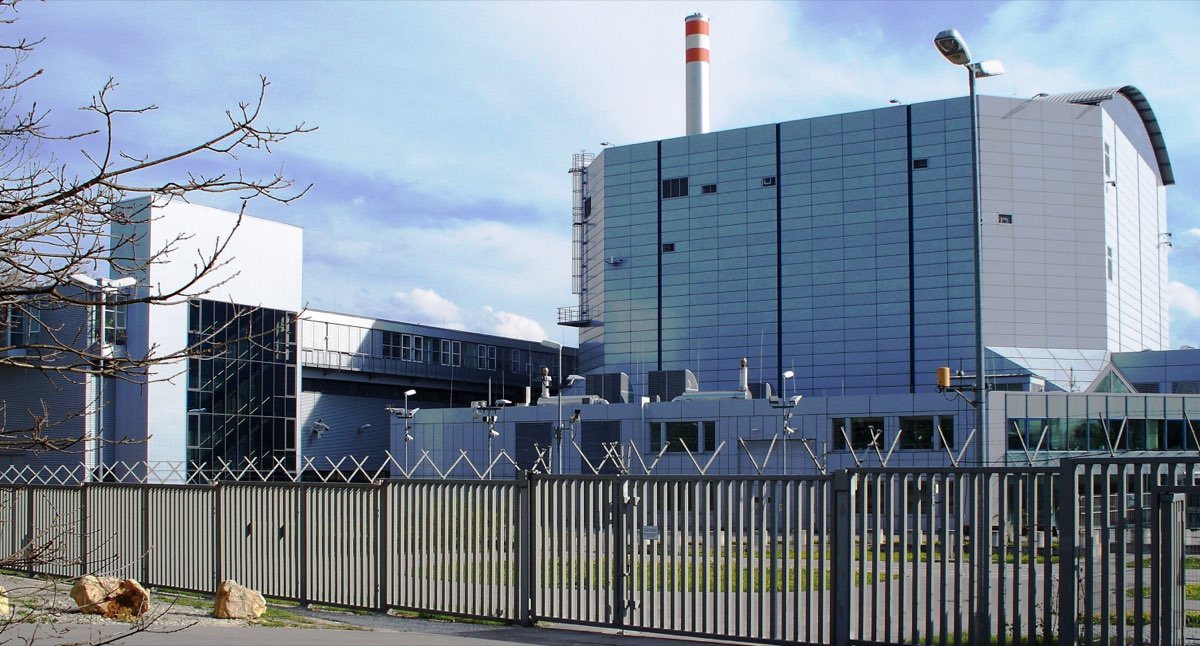
Overview of Mechanical and Automotive Engineering in Germany
Mechanical and automotive engineering in Germany is renowned globally, resting heavily on the distinguished TU9 alliance, which consists of nine technical universities. Studying in Germany provides ample opportunities, especially in engineering fields, showcasing a robust education system that combines theory and practical experience.
The focus on engineering is evident, as there are a total of 51 Mechanical Engineering programmes available across various universities. Most bachelor's programmes are taught in German; however, master's programmes are increasingly offered in English, creating an inclusive environment for international students.
The TU9 Alliance
The TU9 alliance is a consortium of technical universities in Germany, comprised of RWTH Aachen, TUM, KIT, TU Darmstadt, TU Dresden, University of Stuttgart, Braunschweig, Hannover, and TU Berlin. This alliance is pivotal for students as it sets higher educational standards and fosters a collaborative network of top-tier engineering institutions. Graduating from one of these universities not only provides a solid educational foundation but also enhances employability in the competitive job market.
Each university within the TU9 alliance offers state-of-the-art facilities and extensive research opportunities. They focus on innovation and practical applications of engineering principles, which can significantly benefit students looking to enter the mechanical or automotive engineering sectors.
Types of Higher Education Institutions
In Germany, there are three main types of higher education institutions: traditional universities (which are research-oriented and award doctoral degrees), universities of applied sciences (HAW/FH, which focus on practical education with mandatory internships), and specialized colleges for art, music, and film (admission often requires a portfolio or audition).
For students looking for a hands-on approach in mechanical and automotive engineering, universities of applied sciences might be particularly appealing due to their strong ties to industry, providing valuable internship experiences. Meanwhile, traditional universities like the Technical University of Munich offer a solid research-based curriculum that is equally respected in the job market.
Cultural and Language Considerations
Most bachelor's level engineering programmes are taught in German, which necessitates a good command of the language for prospective students. However, numerous master's programmes are increasingly available in English, catering to the needs of international students. It is advisable to check specific programme details directly on university websites or the DAAD database.
For those who are not proficient in German, it would be wise to consider language courses before applying or during the first semester to ease the transition into both academic and social environments.
Costs and Tuition Fees
One of the most attractive aspects of studying in Germany is the low cost of education; public universities in 15 out of the 16 federal states do not charge tuition fees for both EU and non-EU students. The only exception is Baden-Württemberg, where non-EU students are required to pay €1,500 per semester (approximately €3,000 per year).
In addition to tuition, students must pay a semester contribution (Semesterbeitrag), which usually ranges from about €150 to €400. This fee often includes essential services like public transportation tickets, which can save students significant commuting costs.
Application Process and Timeline
The application process for engineering programmes typically involves several steps. It’s vital to be aware of key deadlines: the primary deadline for the winter semester is 15 July (with classes commencing in October), and for the summer semester, it is 15 January (with classes starting in April).
Prospective students must prepare documents including academic transcripts, proof of language proficiency, and sometimes a letter of motivation. Many international applicants use the uni-assist service to process their applications efficiently to various institutions.
Visa Requirements and Work Opportunities
International students from non-EU countries need to apply for a national visa (Visa D) for study purposes. Along with the visa application, they must show proof of sufficient financial resources, typically through a blocked account of about €11,904 for one year (around €992 a month).
Once enrolled, students can work 140 full days or 280 half days a year, providing an excellent opportunity to gain practical experience and earn supplementary income. After completing their degree, graduates can extend their stay for up to 18 months under a job-seeking residence permit, which facilitates the transition into the job market.
Common Mistakes to Avoid
One common mistake that students make is to underestimate the importance of language proficiency. Since many bachelor's programmes are in German, adequate language skills are essential for success. Additionally, some students may fail to submit their applications on time, missing crucial deadlines.
Another frequent oversight is not researching universities thoroughly. Different institutions may have specific prerequisites or unique strengths in certain engineering specializations. Checking targeted programmes can lead to a more fitting choice for international applicants.
Next Steps for Applicants
After deciding on a course and university, it is essential to gather all required documentation and ensure language qualifications meet programme requirements. Once the application is submitted through platforms like uni-assist, candidates can monitor their application status directly with the selected universities.
Subsequently, prepare for life in Germany by considering accommodation, health insurance, and familiarizing yourself with local culture. Starting research early, applying for scholarships or financial aid, and connecting with current students or alumni can also provide valuable insights and assistance through the application process.