Psychology in Germany: Entry Requirements and the Master’s Bottleneck
By TopUniGermany Editorial Team · 11 Aug 2026
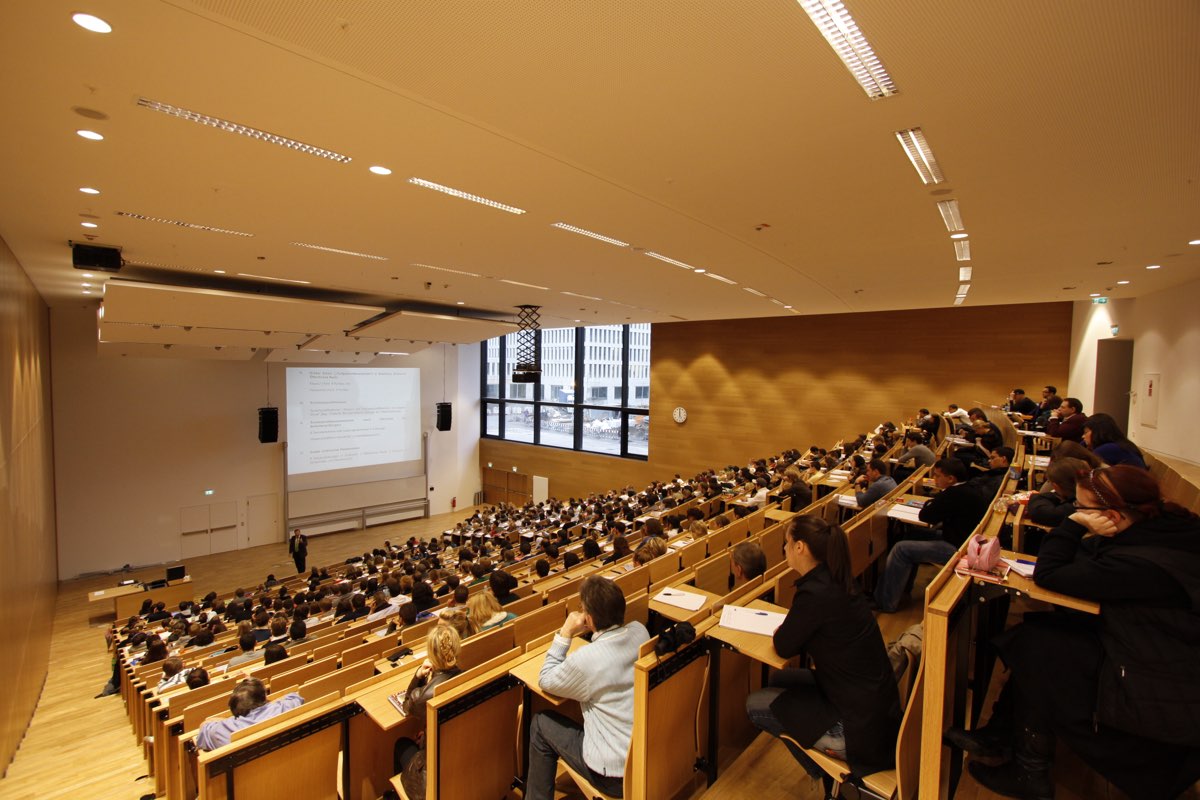
What is Studying Psychology in Germany Like?
Studying psychology in Germany is a popular choice due to the subject’s relevance and high demand in various fields such as healthcare, education, and business. With over 35 Psychology programmes available, institutions offer a range of bachelor’s, master’s, and doctoral degrees. However, it’s crucial for international students to understand the language requirements and application processes that vary by institution.
Most bachelor’s programmes in psychology are taught in German, making proficiency in the language essential for students who wish to pursue this degree. Consequently, students should consider language immersion opportunities or intensive courses to boost their language skills before applying.
Types of Institutions
Germany offers various types of institutions for studying psychology. These include traditional research universities, technical universities, and universities of applied sciences (HAW/FH) that focus more on practical applications and internships. Art, music, and film colleges may offer psychology programs but often require a portfolio or an audition for admission.
Some key universities where psychology is taught include Technische Universität Berlin, the University of Tübingen, the University of Hamburg, the University of Cologne, and Ruhr University Bochum. Different institutions may have varying strengths in particular subfields of psychology, making it important to research the specific programs offered.
Entry Requirements
Entry into psychology programs typically requires a strong academic background, especially in social sciences and mathematics. Applicants must also be prepared for a numerus clausus (NC) at most universities, reflecting limited places due to high demand. To increase their chances of acceptance, students should consider applying to several universities, as the competition can be fierce.
For a master’s program, specific prerequisites must be met based on the content covered during the bachelor’s studies, particularly for those intending to pursue clinical psychology. Therefore, it’s essential for students to ensure that their bachelor’s degree aligns with the requirements of their chosen master’s program.
Application Process
The application process for studying psychology requires careful preparation. International students must first gather all necessary documents, including proof of academic qualifications, language proficiency certificates, and any required standardized test scores. The main application deadlines are 15 July for the winter semester, which starts in October, and 15 January for the summer semester, starting in April.
Non-EU students also need to apply for a national visa (Visa D) tailored for study purposes, which involves demonstrating financial security. They typically need to show a blocked account with around €11,904 for one year of living expenses, equating to about €992 per month.
Understanding Tuition Fees
Most public universities in Germany charge no tuition fees for both EU and non-EU students, with the notable exception of Baden-Württemberg, where non-EU students must pay €1,500 per semester, amounting to about €3,000 annually. All students must pay a semester contribution (Semesterbeitrag), which ranges from approximately €150 to €400, generally covering administrative costs and public transportation tickets.
This financial structure makes studying in Germany relatively affordable compared to many other countries. However, students should budget carefully for living expenses, books, and materials related to their studies.
Common Mistakes to Avoid
One common mistake among applicants is failing to meet the language requirements for their chosen program. Students should ensure they have a solid grasp of German and consider taking proficiency tests such as the TestDaF or DSH well ahead of application deadlines.
Another mistake is applying to too few universities. Due to the competitive nature of psychology programs, it is advisable to apply to multiple institutions to enhance the chances of securing a place. Furthermore, neglecting to research the specific admission requirements of each university can lead to disqualification from the application process.
Career Pathways and Future Opportunities
Graduates with a degree in psychology from a German institution can pursue various career pathways. Popular fields include clinical psychology, educational psychology, organizational psychology, and research positions. However, graduates aiming to work in clinical practice must complete a relevant master’s degree that covers specific content as dictated by licensing regulations in Germany.
After completing their studies, students can also benefit from an extended job-seeking residence permit, allowing them to remain in Germany for up to 18 months to find employment in their field. This flexibility can provide valuable opportunities to integrate into the German job market.
Next Steps for Prospective Students
Prospective students should start by researching universities and their programmes early. Checking the official websites and the DAAD database can provide up-to-date information on program specifics, entry requirements, and application procedures.
Additionally, students may want to engage with current students or alumni from their desired institutions for insights into the experience and outcomes of the programs. Building a network and understanding the local culture will also significantly benefit foreign students during their stay in Germany.