Renewable Energy and Sustainability Degrees in Germany
By TopUniGermany Editorial Team · 11 Aug 2026
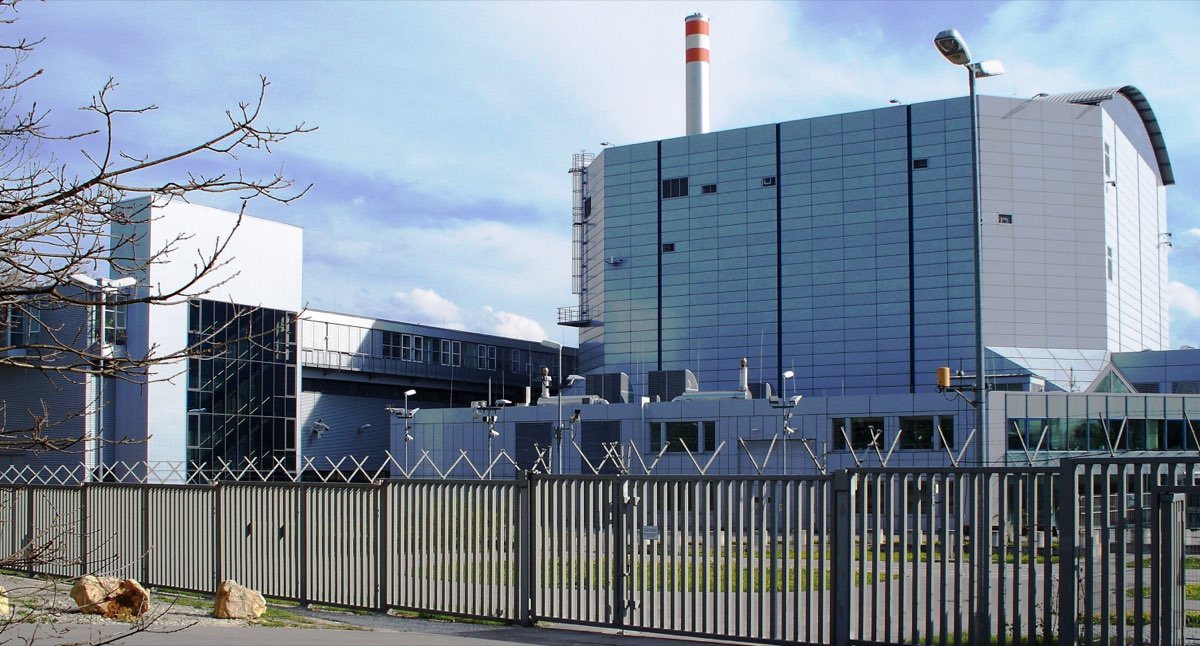
Understanding Renewable Energy and Sustainability Degrees in Germany
Germany’s commitment to energy transition, known as the Energiewende, has led to a strong emphasis on renewable energy degrees, particularly in engineering. This academic focus fosters a large cluster of specialized programs designed to equip students with the skills needed to thrive in this rapidly evolving field.
Students can find a variety of programs, especially at the master’s level, that blend engineering, policy, economics, and environmental management, responding to the multifaceted aspects of renewable energy. Many of these master's programs are taught in English, catering to the international student community.
Types of Institutions Offering Renewable Energy Degrees
In Germany, higher education institutions are categorized into three main types, all of which offer opportunities in renewable energy:
- Universities: Research-led institutions that award doctorate degrees.
- Universities of Applied Sciences (HAW/FH): Practice-oriented with a focus on internships, providing hands-on experience.
- Art/Music/Film Colleges: Admission is based on a portfolio or audition, focusing on creative approaches to sustainability.
Each type of institution has its strengths, and aspiring students should consider which environment aligns best with their professional aspirations.
Highlighted Universities Offering Energy Degrees
Among the 210 German institutions offering diverse degree programs, several stand out for their energy and renewable engineering focus. Noteworthy universities include:
- Technical University of Munich (Munich)
- Technische Universität Berlin (Berlin)
- Ruhr University Bochum (Bochum)
- University of Kassel (Kassel)
- Leuphana University Lüneburg (Lüneburg)
- Technische Hochschule Ingolstadt (Ingolstadt)
These institutions offer a total of 18 specialized programs in Energy & Renewable Engineering. Detailed information about all such programs can be found on our portal.
Program Structure and Curriculum
The curriculum for renewable energy degrees primarily focuses on technical aspects, but it often integrates elements from other disciplines such as environmental management and economic policy. This multidisciplinary approach prepares students for various career paths within the energy sector, emphasizing both practical skills and theoretical knowledge.
Studying these programs often includes hands-on experience through internships, projects, and collaborations with industry partners, providing students with essential networking opportunities and real-world applications of their studies.
Application Process for International Students
For non-EU students applying for energy and renewable energy programs, the process typically begins with gathering necessary documents, including proof of prior academic qualifications. Most universities have two main application deadlines: July 15 for the winter semester (classes start in October) and January 15 for the summer semester (starting in April).
Additionally, applicants will need to secure a national visa (Visa D) for study purposes. This process requires proof of financial resources, typically demonstrated through a blocked account with a balance of about €11,904 for one year, which is roughly €992 a month.
Costs of Studying Renewable Energy in Germany
Public universities in 15 out of the 16 federal states do not charge tuition fees for both German and international students, making higher education in this field relatively accessible. However, the state of Baden-Württemberg requires non-EU students to pay €1,500 per semester.
Every student is also required to pay a semester contribution (Semesterbeitrag) ranging from €150 to €400, which typically includes a public transport pass, adding to the overall cost of living and studying in Germany.
Living Costs and Work Opportunities
Beyond tuition and fees, students should budget for living expenses such as accommodation, food, and study materials. Cities with a high student population may have more affordable rental options. It’s advised for students to research cost of living in their chosen city thoroughly.
International students are allowed to work up to 140 full days or 280 half days per year. This flexibility can help them manage living costs while gaining valuable professional experience in the German labor market. After completing studies, graduates can remain in Germany for up to 18 months on a job-seeking residence permit to explore employment opportunities in their field.
Avoiding Common Mistakes in the Application Process
One common mistake among international applicants is incomplete documentation, which can delay or derail the application process. It’s crucial to carefully review requirements for each program and ensure all materials are submitted on time.
Another frequent error is underestimating the financial requirements. Ensure that all funds required for the blocked account are adequately arranged before applying for the visa. Planning ahead can significantly ease your transition into student life in Germany.
The Next Steps After Acceptance
Once accepted into a program, students should prepare for their transition by securing accommodation and familiarizing themselves with the local culture. Engaging with student associations can help build a network within the university and ease the adaptation process.
After arrival, students will benefit from enrolling in language courses, as proficiency in German can enhance their academic experience and employment opportunities. Finally, staying proactive by seeking internships and job opportunities early can greatly improve employability upon graduation.
Frequently asked questions
What are the tuition fees for international students in Germany?
Most public universities do not charge tuition fees, but students in Baden-Württemberg pay €1,500 per semester. All students must also pay a semester contribution of about €150-€400.
What are the main application deadlines for German universities?
The main application deadlines are 15 July for the winter semester and 15 January for the summer semester. Early application is recommended to ensure a smooth process.
How can I work while studying in Germany?
International students can work up to 140 full days or 280 half days a year during their studies, providing opportunities to earn money and gain experience.
What visa do I need to study in Germany as an international student?
Non-EU students need a national visa for study purposes (Visa D) and must show proof of financial resources, typically through a blocked account.
How long can I stay in Germany after graduating?
Graduates can stay in Germany for up to 18 months on a job-seeking residence permit, allowing them to search for employment opportunities in their field.