Studying in Eastern Germany: Leipzig, Dresden, Jena and Magdeburg
By TopUniGermany Editorial Team · 08 Aug 2026
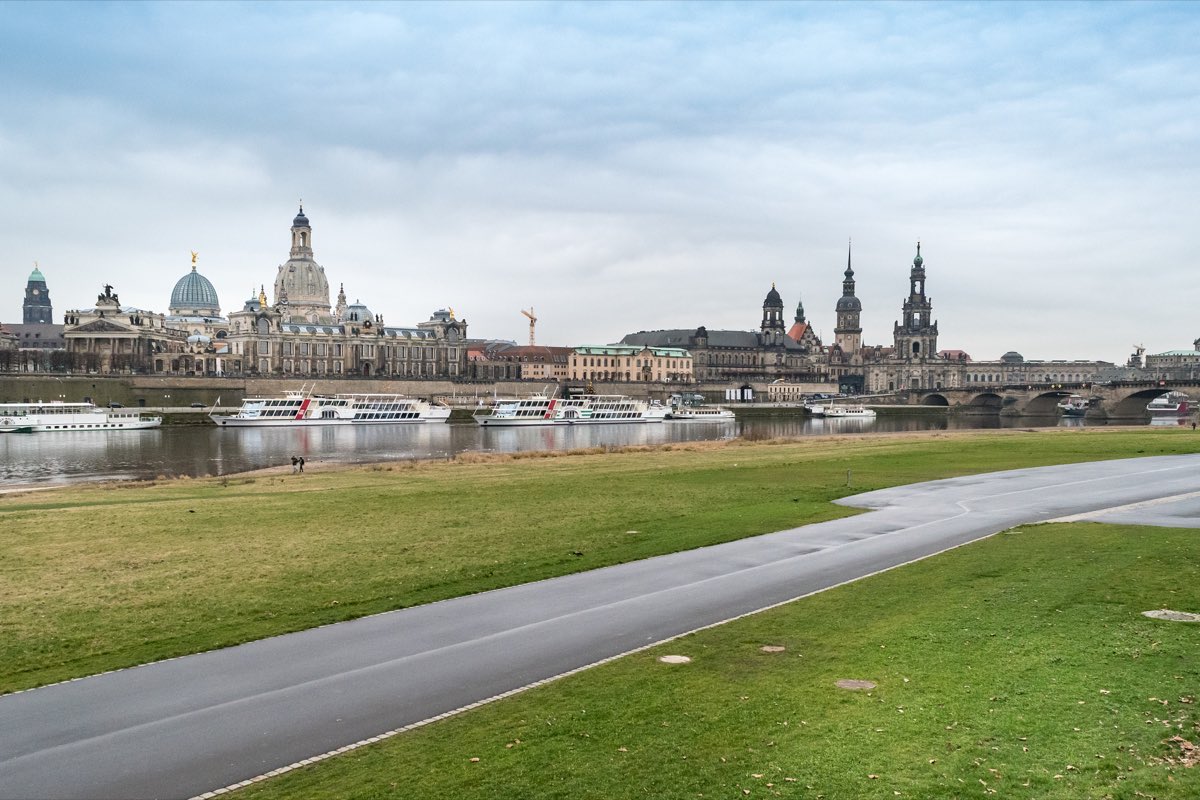
The Benefits of Studying in Eastern Germany
Eastern Germany is emerging as a compelling destination for international students thanks to its combination of tuition-free universities and affordable living expenses. Cities like Leipzig, Dresden, Jena, and Magdeburg not only provide quality education but also a lower cost of living compared to their Western counterparts. This becomes especially advantageous for budget-conscious students, as the savings on rent can serve as a significant financial lever.
For students looking to stretch their budgets further, Eastern Germany offers vibrant urban environments, rich history, and increasing employment opportunities in various industries. Whether you are interested in technical fields such as microelectronics and optics or the humanities, these cities have something to offer everyone.
Overview of Institutions
Four main institutions in Leipzig include Leipzig University, Helmholtz Centre for Environmental Research, Max Planck Institute for Human Cognitive and Brain Sciences, and Max Planck School of Cognition. In Dresden, notable options are Technische Universität Dresden, Leibniz Institute of Ecological Urban and Regional Development, and two Max Planck institutes focusing on physics and chemistry.
Jena boasts institutions like Friedrich Schiller University Jena and several prestigious Max Planck facilities. Magdeburg is home to Otto von Guericke University Magdeburg and Magdeburg-Stendal University of Applied Sciences, both providing a strong educational foundation.
Tuition Fees and Living Costs
Public universities in 15 of Germany's 16 federal states do not charge tuition fees, which applies to German, EU, and non-EU students alike. The only exception is Baden-Württemberg, where non-EU students must pay €1,500 per semester, totaling around €3,000 per year. However, students should also prepare for a semester contribution (Semesterbeitrag) that typically ranges from €150 to €400, which often includes a public transport ticket.
Considering the cost of living, students can expect much lower rent in Eastern cities. This financial relief is crucial for international students managing their budgets, as rent can take up a significant portion of living expenses.
Application Process and Deadlines
To apply for programs at these institutions, international students typically need to adhere to specific deadlines. For the winter semester, which begins in October, applications are due by July 15. For the summer semester starting in April, applications must be submitted by January 15. It is important for students to prepare their documents and applications ahead of these dates to avoid last-minute complications.
International applicants, particularly non-EU students, will require a national visa for their studies (Visa D). Normally, a blocked account showing approximately €11,904 for a year, or around €992 a month, must be established to prove financial stability during their studies.
Work Opportunities and Post-Graduation Options
For students considering work opportunities while studying, regulations allow students to work 140 full days or 280 half days each year. This work allowance provides students with valuable experience and may help alleviate some financial pressures during their time in Germany. After graduation, students can remain for 18 months under a job-seeking residence permit, allowing them ample time to find employment within their field.
The work experience gained during studies can greatly enhance job prospects post-graduation, particularly in specialized fields prevalent in Eastern Germany, such as microelectronics and optics. Additionally, this period allows for a smoother transition into the professional world.
Common Mistakes to Avoid
A common error made by international students is waiting until the last minute to apply for their national visa or blocked account. Students should initiate these processes early, as they can take time and require specific documentation. Planning ahead will prevent unnecessary stress and possible delays.
Another mistake is not fully understanding the application requirements for the selected universities. Each institution may have specific documentation or prerequisites; therefore, thoroughly reviewing the application guidelines on individual university websites or through this comprehensive list of universities is crucial.
Differences by State and Institution Type
When choosing where to apply, it is important to note that institutions in Eastern Germany can vary significantly in terms of focus. For example, universities such as those in Jena specialize in optics and photonics, while Dresden is known for its microelectronics cluster.
There are three types of universities: research universities that award doctorates, universities of applied sciences that are more practice-oriented and include internship semesters, and specialized art, music, or film colleges that often require admissions by portfolio or audition. Each type offers a unique educational experience suited to different academic and career goals.
Next Steps for Interested Students
If you are interested in pursuing your studies in Eastern Germany, the first step is to conduct thorough research on the universities and programs available. Utilize resources such as the official DAAD database, which lists over 2,265 degree programs across 210 institutions, to identify programs that align with your interests.
It is also recommended to participate in online webinars or virtual open days offered by these institutions. This engagement will allow you to gain insights into the university life and ask questions directly to faculty or current students. Following these steps will set you on the right path to studying in this academically rich and culturally vibrant region of Germany.
Frequently asked questions
What are the main universities in Eastern Germany?
The main universities include Leipzig University, TU Dresden, Friedrich Schiller University Jena, and Otto von Guericke University Magdeburg.
Do I have to pay tuition fees in Eastern Germany?
Most public universities in Eastern Germany do not charge tuition fees for German, EU, and non-EU students, with Baden-Württemberg being the only exception.
When do I need to apply for universities in Eastern Germany?
Application deadlines are July 15 for the winter semester and January 15 for the summer semester. It's important to adhere to these deadlines.
How much money do I need to show for a blocked account?
You will need to show around €11,904 for a year, or approximately €992 a month, in a blocked account to cover your living expenses while studying.
What types of universities are available in Eastern Germany?
There are three types of institutions: research universities, universities of applied sciences, and specialized art/music/film colleges, each offering different educational experiences.