Abbe School of Photonics – PhD/Doctoral Programme
Friedrich Schiller University Jena
Jena, Thuringia · Public University · Est. 1558
Jena combines a historic university with a modern optics and photonics cluster built around ZEISS and SCHOTT. It is strong in physics, materials, microbiology and pharmacy, and Thuringia’s low rents make it one of Germany’s most affordable study cities.
Ranking figures are indicative and provided for general guidance — always verify current positions with the official QS rankings and the university.
28 programs across 2 study levels.
Friedrich Schiller University Jena
Indicative annual tuition
No tuition fees
Tuition-freeSemester contribution
€260/semester
Semesterbeitrag — often includes a transport ticketIndicative living cost
€11,000–€16,000/yr
On-campus accommodationMost public universities in Germany charge no tuition fees — only the semester contribution. Baden-Württemberg charges non-EU students €1,500 per semester, and private universities set their own fees. Figures are indicative; confirm with the university before applying.
Application Guides How to Apply to a German University: uni-assist, anabin and Deadlines
Most international students apply to German universities through uni-assist, with key deadlines typically set for July 15 and January 15.
Rankings & Comparisons Mechanical and Automotive Engineering in Germany: The TU9 Route
Germany offers 51 Mechanical Engineering programmes at its universities, with significant options available through the TU9 alliance.
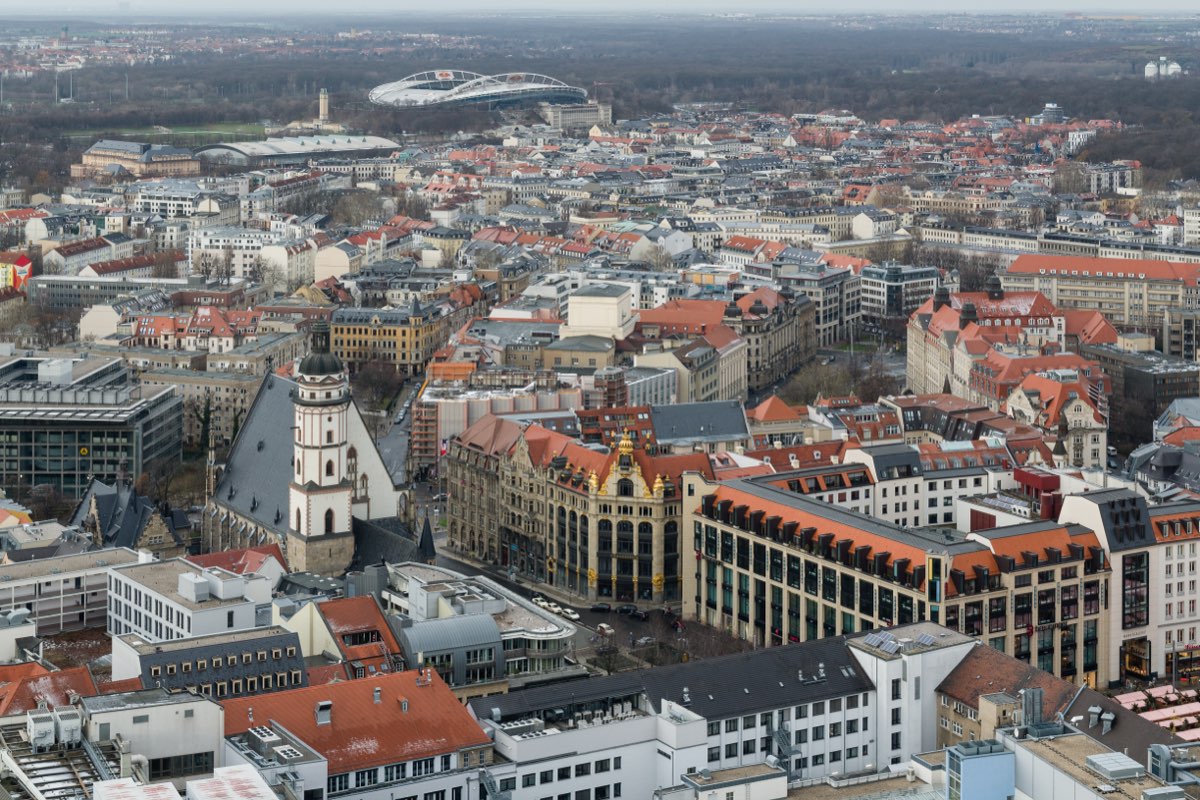
Studying in Eastern Germany: Leipzig, Dresden, Jena and Magdeburg
Eastern German cities offer tuition-free universities alongside significantly lower living costs, making them an attractive option for international students.
A secondary-school leaving certificate recognised as equivalent to the German Abitur (checked against the anabin database, usually via uni-assist). Applicants whose qualification is not directly equivalent complete a Studienkolleg year and the Feststellungsprüfung, or sit the TestAS. Master’s applicants need a relevant bachelor’s degree with a good grade average; some subjects are restricted by a Numerus Clausus (NC) or an aptitude assessment (Eignungsfeststellungsverfahren).
Language: German-taught degrees: DSH-2, TestDaF 4x4, telc Deutsch C1 Hochschule or Goethe-Zertifikat C2. English-taught degrees: IELTS 6.5 / TOEFL iBT 88+ (programme-dependent); many international master’s programmes are taught fully in English and require no German at entry.
Non-EU students apply for a German national student visa (Visa D) at the German mission in their country, then convert it into a residence permit for study purposes at the local Ausländerbehörde. Proof of funds is normally a blocked account (Sperrkonto) — currently about €11,904 for one year — plus statutory health insurance. Graduates may stay for up to 18 months on a job-seeking residence permit.
Read the student visa & residence permit guide →A secondary-school leaving certificate recognised as equivalent to the German Abitur (checked against the anabin database, usually via uni-assist). Applicants whose qualification is not directly equivalent complete a Studienkolleg year and the Feststellungsprüfung, or sit the Tes...
There are no tuition fees — you pay only the semester contribution of €260/semester, plus living costs. Figures are indicative — confirm with the university.
Germany national rank #24 · QS World #471.
German-taught degrees: DSH-2, TestDaF 4x4, telc Deutsch C1 Hochschule or Goethe-Zertifikat C2. English-taught degrees: IELTS 6.5 / TOEFL iBT 88+ (programme-dependent); many international master’s programmes are taught fu...
Last updated 21 Aug 2026. Information is provided for guidance — verify with official sources before applying.