Bachelor's Degree
Biochemistry
Applied Biology (BSc)
Hochschule Bonn-Rhein-Sieg
⏱ 6 semesters 🎓 Full Time
💰 No tuition fees
at Friedrich Schiller University Jena · Jena, Thuringia
Duration
4 semesters
Tuition
No tuition fees
Intake
Winter semester
Mode
Full Time
The Master of Science in Molecular Life Sciences at Friedrich Schiller University Jena offers an in-depth exploration of biochemistry, molecular biology, and related disciplines. This program is designed to deliver a comprehensive understanding of the molecular mechanisms underlying biological processes, while also equipping students with the practical skills needed to excel in diverse scientific environments. Throughout the four-semester curriculum, students will engage with advanced theoretical concepts alongside hands-on laboratory experiences, fostering a well-rounded educational journey.
German Master's degree programs are structured to include a series of modules that combine lectures, practical sessions, and project work, leading to the completion of a master's thesis. The curriculum is built around the European Credit Transfer and Accumulation System (ECTS), ensuring recognition and transferability of credits across universities within Europe. As part of this program, there are opportunities for internships, providing valuable real-world experience in biochemistry, often in partnership with Germany’s robust Mittelstand (SMEs) and research institutions.
Students in this program will develop critical analytical and research skills, as well as a thorough understanding of laboratory techniques and methodologies used in molecular life sciences. This program is suitable for those who have a strong background in biochemistry or a related field and are looking to deepen their expertise and enhance their career prospects in a rapidly evolving scientific landscape.
Graduates can find employment in various industries such as pharmaceuticals, biotechnology, academic research, and healthcare. Additionally, Germany's thriving scientific research sector, alongside a well-developed network of industries, offers ample opportunities for graduates, supported by an 18-month post-study job-seeking permit that allows international students to explore work opportunities in the country.
It typically takes 4 semesters, with intakes in Winter semester.
Tuition is around No tuition fees. Fees change yearly — confirm with an advisor.
BiochemistMolecular BiologistLab ManagerResearch ScientistQuality Control Analyst Graduates can find employment in various industries such as pharmaceuticals, biotechnology, academic research, and healthcare. Additionally, Germany's thriving scientific research sector, alongside...
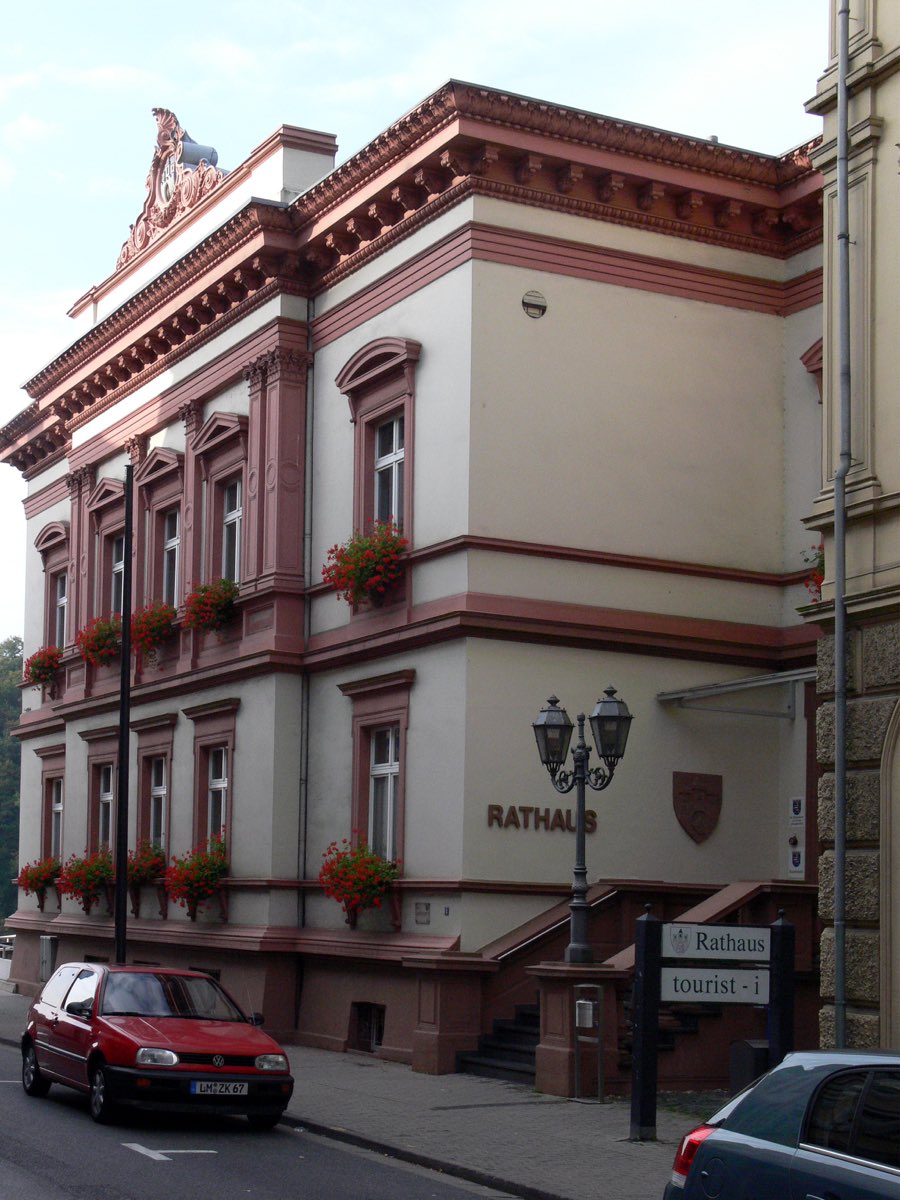 Application Guides How to Apply to a German University: uni-assist, anabin and Deadlines
Most international students apply to German universities through uni-assist, with key deadlines typically set for July 15 and January 15.
Application Guides How to Apply to a German University: uni-assist, anabin and Deadlines
Most international students apply to German universities through uni-assist, with key deadlines typically set for July 15 and January 15.
 Rankings & Comparisons University or Hochschule? Choosing Between Research and Applied Sciences in Germany
Choosing between a university and a Hochschule in Germany depends on your career goals and whether you prefer a research or practice-led education.
Rankings & Comparisons University or Hochschule? Choosing Between Research and Applied Sciences in Germany
Choosing between a university and a Hochschule in Germany depends on your career goals and whether you prefer a research or practice-led education.
 Application Guides uni-assist Explained: How International Applications to German Universities Really Work
uni-assist simplifies the application process to 210 German institutions, verifying qualifications and forwarding applications to universities.
Application Guides uni-assist Explained: How International Applications to German Universities Really Work
uni-assist simplifies the application process to 210 German institutions, verifying qualifications and forwarding applications to universities.
Hochschule Bonn-Rhein-Sieg
Hochschule Fresenius - University of Applied Sciences
Heinrich Heine University Düsseldorf
University of Tübingen
Friedrich Schiller University Jena
Technische Universität Braunschweig