University or Fachhochschule? How to Choose the Right Type of German Institution
By TopUniGermany Editorial Team · 10 Aug 2026
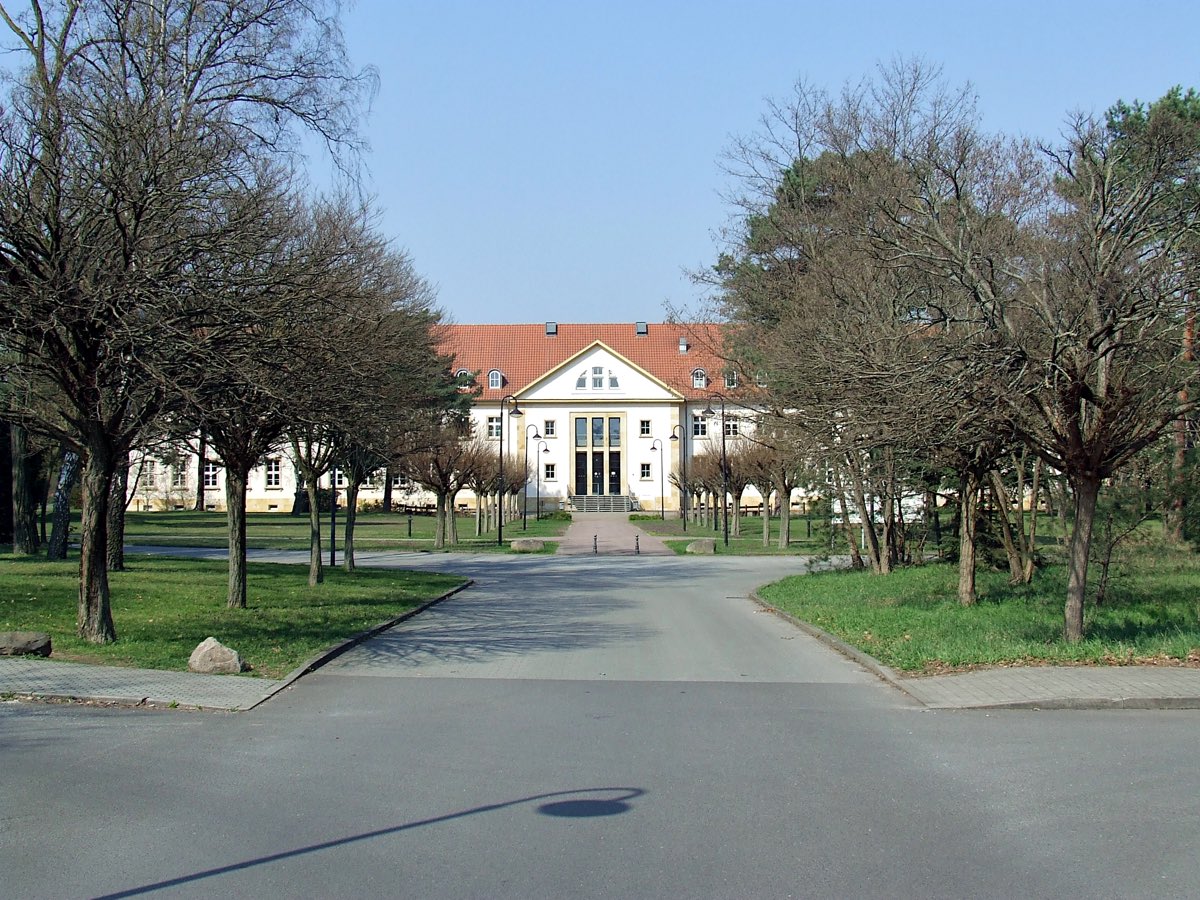
The Types of German Institutions
Germany hosts a diverse range of higher education institutions, primarily classified into three categories: universities, universities of applied sciences (HAW/FH), and specialized art, music, or film colleges. Understanding these distinctions is crucial as they cater to different academic and career aspirations.
Universities in Germany are research-driven institutions that offer a wide array of disciplines and award doctoral degrees. In contrast, universities of applied sciences focus on practical training and often include compulsory internships or practical semesters as part of the curriculum. Specialized institutions, such as art colleges, typically require students to submit a portfolio or audition for admission.
Who Should Choose Which Institution?
The choice between a university and a Fachhochschule largely depends on your career goals. If you are aiming for a career in research or academia, a traditional university might be your best option. However, for those who prefer hands-on experience and are looking to enter the workforce directly after graduation, attending a university of applied sciences can provide a more practical education.
Furthermore, the applied route often ensures closer links to industry, which can be advantageous for students planning to work in Germany post-graduation. It's crucial to evaluate your personal and professional goals before deciding on the type of institution that best suits your needs.
Application Process Overview
Applying to German institutions involves several steps, beginning with selecting the right program from the available 2,265 degree programs listed on this site. Once you have your program in mind, check whether you meet the specific admission requirements, which may include a certain level of German proficiency.
The main application deadlines to keep in mind are July 15 for the winter semester (starting in October) and January 15 for the summer semester (beginning in April). Gather your application materials well in advance to avoid last-minute stress, as applications often require official documents and sometimes additional assessments.
Cost of Studying
Public universities in 15 out of the 16 federal states in Germany do not charge tuition fees for both German and international students, including EU and non-EU students. However, Baden-Württemberg stands out as the exception, with non-EU students required to pay €1,500 per semester, which equates to approximately €3,000 annually.
In addition to tuition fees (if applicable), every student must pay a semester contribution (Semesterbeitrag) ranging from €150 to €400. This fee typically includes benefits such as a public transport ticket, which can substantially lower the overall cost of living during your studies.
Visa and Residency Requirements
International students planning to study in Germany must apply for a national visa (Visa D) for study purposes. Part of the visa application is demonstrating financial stability, which usually involves a blocked account containing about €11,904 for one year, or approximately €992 per month.
It's important to familiarize yourself with the visa application process and ensure that you have all your documents in order, as this could significantly impact your ability to study in Germany. After graduation, students have the opportunity to stay in Germany for up to 18 months on a job-seeking residence permit, allowing them to find employment in their field.
Common Mistakes to Avoid
One common mistake that many international students make is underestimating the importance of language proficiency. While many programs are offered in English, having a basic understanding of German can greatly enhance your living experience and employability in Germany.
Another mistake is missing application deadlines. Ensure that you note down important dates for both application submissions and financial preparations early in your planning process. Additionally, be cautious about assuming that financial support will be readily available; instead, do your research on scholarships and funding opportunities throughout your application journey.
Regional Differences and Considerations
While the basic structure of universities and Fachhochschulen remains consistent throughout Germany, there can be nuances in programs and entry requirements depending on the federal state and institution type. For example, some states may have unique partnerships with local industries, particularly favoring applied sciences, which may influence your choice depending on your field of interest.
Before applying, consider visiting the websites of the specific institutions you are interested in to gather detailed information about their programs, teaching styles, and integration with local industries. Local networks may offer internship and employment opportunities, especially in regions where specific industries dominate.
Next Steps After Choosing an Institution
Once you have decided on an institution and program, begin preparing your application, ensuring that all documents comply with requirements set by the university and any governing bodies, such as DAAD. Also, consider reaching out to the admissions office for clarification on any uncertainties.
After submitting your application, begin organizing your finances, accommodation, and any necessary travel arrangements to Germany. Engaging with student networks or forums can also help ease your transition and provide supportive connections for your new journey.
Frequently asked questions
What are the types of higher education institutions in Germany?
In Germany, there are three main types of institutions: universities, research-led and awarding doctorates; universities of applied sciences, which focus on practical skills and internships; and specialized colleges for art, music, or film.
Do I have to pay tuition fees at German universities?
Public universities in Germany charge no tuition fees in 15 out of 16 federal states for both German and international students, except for non-EU students at Baden-Württemberg, where they pay €1,500 per semester.
What is the application deadline for German universities?
The main application deadlines are July 15 for the winter semester and January 15 for the summer semester. Be sure to apply early and gather all required documentation.
What is the blocked account requirement for international students?
Non-EU students must typically demonstrate their financial sustainability by maintaining a blocked account with approximately €11,904 for one year, equating to about €992 a month.
Can I work while studying in Germany?
Yes, international students can work in Germany for up to 140 full days or 280 half days a year. After graduation, students may apply for a residence permit for job seeking, allowing them to stay for 18 months.