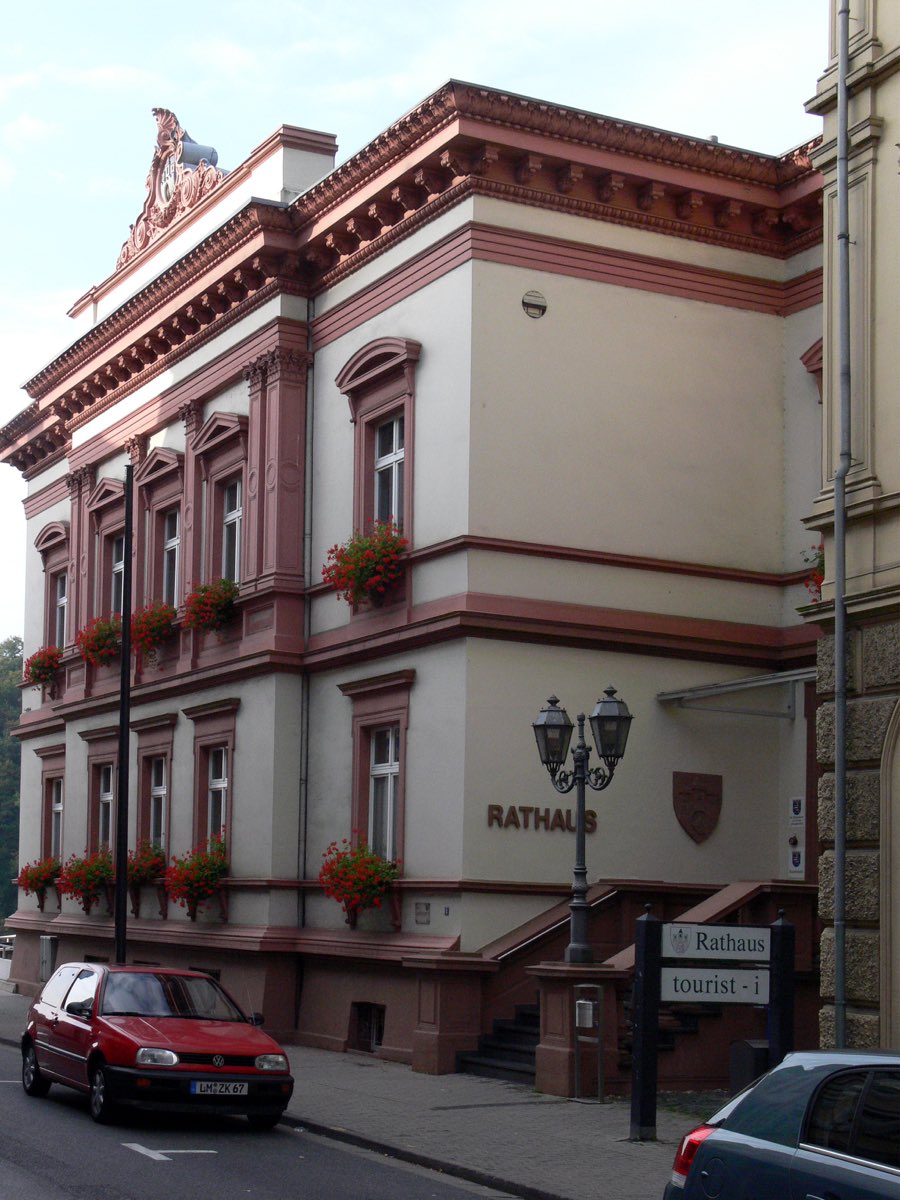
Das Leibniz-Institut für Naturstoff-Forschung und Infektionsbiologie - Hans-Knöll-Institut ist eine öffentliche Hochschule in Jena, Thüringen. Diese Institution konzentriert sich auf Forschung und bietet Programme hauptsächlich im Bereich der Biochemie an. Als öffentliche Hochschule in Deutschland ist sie darauf ausgelegt, eine forschungsorientierte Ausbildung zu bieten, und Studierende haben möglicherweise die Möglichkeit, neben ihrem Studium an verschiedenen Forschungsprojekten teilzunehmen.<br><br>Die Hochschule erhebt keine Studiengebühren, was bedeutet, dass die Studierenden nur für den Semesterbeitrag verantwortlich sind. Dieser Beitrag deckt typischerweise Verwaltungskosten, den öffentlichen Nahverkehr und andere Studierendenservices ab, wodurch es für Studierende erschwinglicher wird, ihre Ausbildung in Deutschland zu verfolgen.
Programs at Leibniz Institute for Natural Product Re
Leibniz Institute for Natural Product Research and Infection Biology - Hans Knöll Institute
⏱ 8 semesters🎓 Full Time💰 No tuition fees
Tuition fees & costs
Indicative annual tuition
No tuition fees
Tuition-free
Semester contribution
—
Semesterbeitrag — often includes a transport ticket
Indicative living cost
—
Most public universities in Germany charge no tuition fees — only the semester contribution. Baden-Württemberg charges non-EU students €1,500 per semester, and private universities set their own fees. Figures are indicative; confirm with the university before applying.
A secondary-school leaving certificate recognised as equivalent to the German Abitur (checked against the anabin database, usually via uni-assist). Applicants whose qualification is not directly equivalent complete a Studienkolleg year and the Feststellungsprüfung, or sit the TestAS. Master’s applicants need a relevant bachelor’s degree with a good grade average; some subjects are restricted by a Numerus Clausus (NC) or an aptitude assessment (Eignungsfeststellungsverfahren).
Language: German-taught degrees: DSH-2, TestDaF 4x4, telc Deutsch C1 Hochschule or Goethe-Zertifikat C2. English-taught degrees: IELTS 6.5 / TOEFL iBT 88+ (programme-dependent); many international master’s programmes are taught fully in English and require no German at entry.
How to apply
1Check your qualification for equivalence in the anabin database and confirm the programme’s intake and deadline (usually 15 July for October, 15 January for April).
2Confirm you meet the entry requirements: A secondary-school leaving certificate recognised as equivalent to the German Abitur (checked against the anabin database, usually via uni-assist). Applicants whose qualification is not directly equivalent complete a Studienkolleg year and the Feststellungsprüfung, or sit the TestAS. Master’s applicants need a relevant bachelor’s degree with a good grade average; some subjects are restricted by a Numerus Clausus (NC) or an aptitude assessment (Eignungsfeststellungsverfahren).
3Apply through uni-assist (most international applicants), hochschulstart.de for nationally restricted subjects such as medicine, or directly with the university where it accepts direct applications.
4Submit certified transcripts and translations, your language certificate (DSH / TestDaF / telc for German-taught, IELTS / TOEFL for English-taught) and — if your country requires it — the APS certificate, then pay the processing fee.
5On receiving your letter of admission (Zulassungsbescheid), open a blocked account and take out health insurance, then apply for the national student visa (Visa D) at the German mission in your country.
For international students
Non-EU students apply for a German national student visa (Visa D) at the German mission in their country, then convert it into a residence permit for study purposes at the local Ausländerbehörde. Proof of funds is normally a blocked account (Sperrkonto) — currently about €11,904 for one year — plus statutory health insurance. Graduates may stay for up to 18 months on a job-seeking residence permit.
Scholarships for Leibniz Institute for Natural Product Re students
National and foundation scholarships open to students at Leibniz Institute for Natural Product Re.
Because public universities in Germany charge no tuition, these mostly fund living costs.
What are the admission requirements for Leibniz Institute for Natural Product Research and Infection Biology - Hans Knöll Institute?
A secondary-school leaving certificate recognised as equivalent to the German Abitur (checked against the anabin database, usually via uni-assist). Applicants whose qualification is not directly equivalent complete a Studienkolleg year and the Feststellungsprüfung, or sit the Tes...
How much is tuition at Leibniz Institute for Natural Product Research and Infection Biology - Hans Knöll Institute?
There are no tuition fees — you pay only the semester contribution. Figures are indicative — confirm with the university.
How is Leibniz Institute for Natural Product Research and Infection Biology - Hans Knöll Institute ranked?
Germany national rank #187.
What are the English requirements?
German-taught degrees: DSH-2, TestDaF 4x4, telc Deutsch C1 Hochschule or Goethe-Zertifikat C2. English-taught degrees: IELTS 6.5 / TOEFL iBT 88+ (programme-dependent); many international master’s programmes are taught fu...
Last updated 22 Aug 2026. Information is provided for guidance — verify with official sources before applying.