PhD / Doctorate
Psychology
Doctoral Programme in the Field of Cognition
Max Planck School of Cognition
⏱ 8 semesters 🎓 Full Time
💰 No tuition fees
Die Max Planck School of Cognition ist eine öffentliche Hochschule in Leipzig, Sachsen, die sich auf das Fachgebiet Psychologie konzentriert. Als öffentliche Hochschule bietet sie forschungsorientierte Lehre und vergibt Doktore in ihrem spezialisierten Bereich. Studierende können von einem dynamischen akademischen Umfeld profitieren, das Zugang zu verschiedenen Ressourcen und Forschungschancen bietet. Die Hochschule erhebt keine Studiengebühren, sondern verlangt von den Studierenden lediglich einen Semesterbeitrag. Dieser Ansatz macht es sowohl für einheimische als auch internationale Studierende zugänglich, die ihre Studien im Bereich Psychologie vorantreiben möchten.
1 programs across 1 study levels.
Max Planck School of Cognition
Indicative annual tuition
No tuition fees
Tuition-freeSemester contribution
—
Semesterbeitrag — often includes a transport ticketIndicative living cost
—
Most public universities in Germany charge no tuition fees — only the semester contribution. Baden-Württemberg charges non-EU students €1,500 per semester, and private universities set their own fees. Figures are indicative; confirm with the university before applying.
 Application Guides Wie man sich an einer deutschen Hochschule bewirbt: uni-assist, anabin und Fristen
Die meisten internationalen Studierenden bewerben sich über uni-assist bei deutschen Hochschulen, wobei die wichtigsten Fristen in der Regel auf den 15. Juli und den 15. Januar festgelegt sind.
Application Guides Wie man sich an einer deutschen Hochschule bewirbt: uni-assist, anabin und Fristen
Die meisten internationalen Studierenden bewerben sich über uni-assist bei deutschen Hochschulen, wobei die wichtigsten Fristen in der Regel auf den 15. Juli und den 15. Januar festgelegt sind.
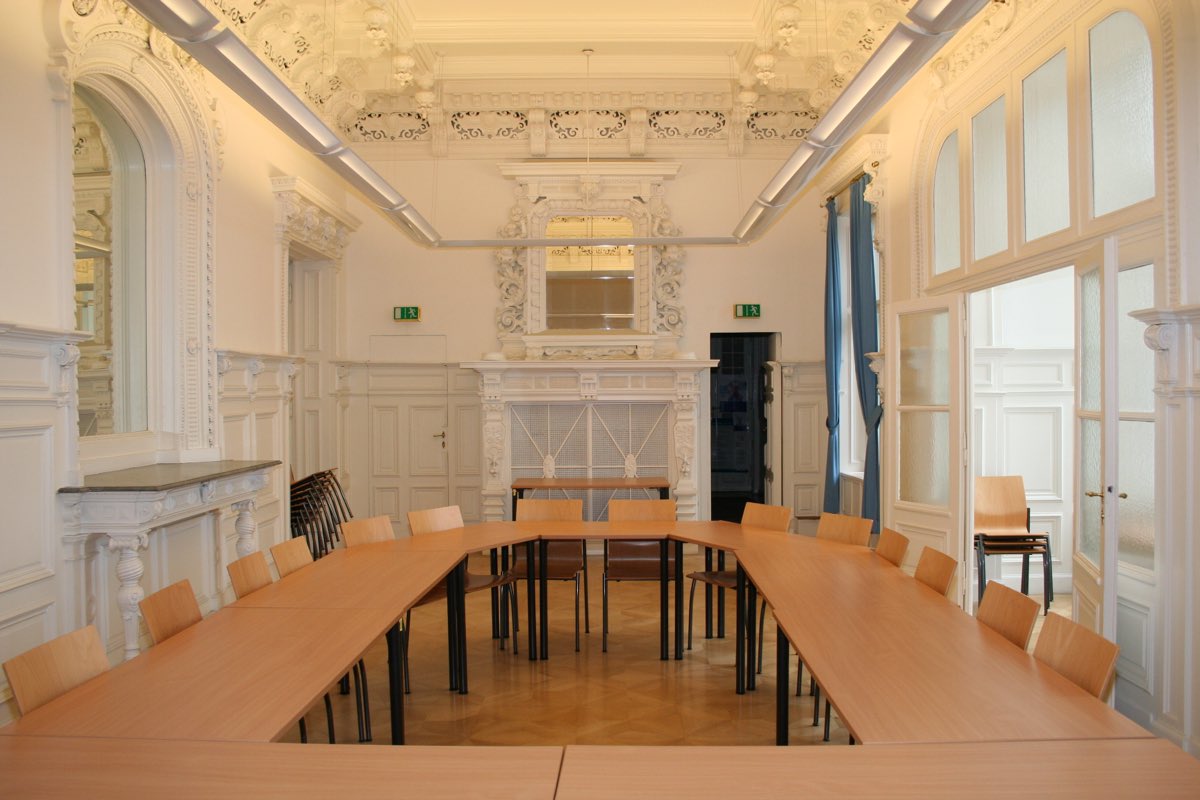 Rankings & Comparisons Psychologie in Deutschland: Zulassungsvoraussetzungen und der Master-Stau
Psychologie ist ein gefragtes Fach in Deutschland mit begrenzten Studienplätzen im Masterprogramm und spezifischen Zulassungsvoraussetzungen für die klinische Praxis.
Rankings & Comparisons Psychologie in Deutschland: Zulassungsvoraussetzungen und der Master-Stau
Psychologie ist ein gefragtes Fach in Deutschland mit begrenzten Studienplätzen im Masterprogramm und spezifischen Zulassungsvoraussetzungen für die klinische Praxis.
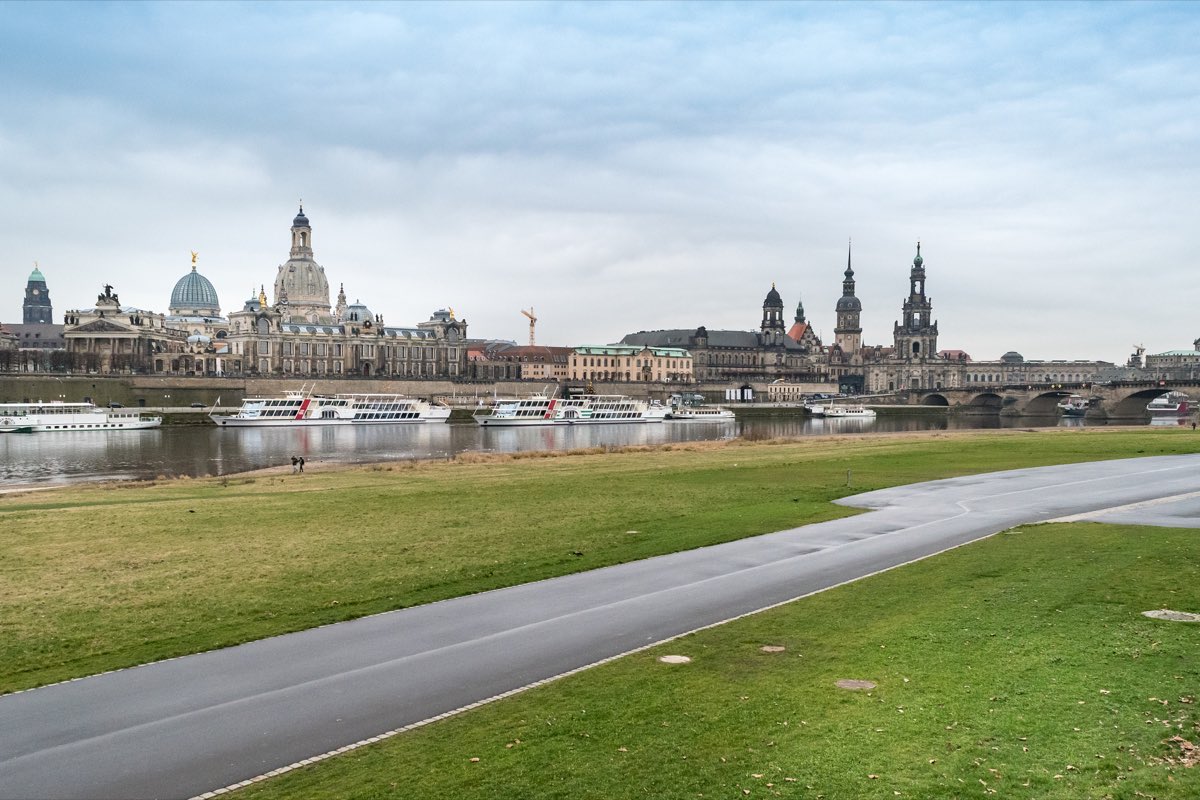 Studieren in Ostdeutschland: Leipzig, Dresden, Jena und Magdeburg
Ostdeutsche Städte bieten gebührenfreie Hochschulen und deutlich niedrigere Lebenshaltungskosten, was sie zu einer attraktiven Option für internationale Studierende macht.
Studieren in Ostdeutschland: Leipzig, Dresden, Jena und Magdeburg
Ostdeutsche Städte bieten gebührenfreie Hochschulen und deutlich niedrigere Lebenshaltungskosten, was sie zu einer attraktiven Option für internationale Studierende macht.
A secondary-school leaving certificate recognised as equivalent to the German Abitur (checked against the anabin database, usually via uni-assist). Applicants whose qualification is not directly equivalent complete a Studienkolleg year and the Feststellungsprüfung, or sit the TestAS. Master’s applicants need a relevant bachelor’s degree with a good grade average; some subjects are restricted by a Numerus Clausus (NC) or an aptitude assessment (Eignungsfeststellungsverfahren).
Language: German-taught degrees: DSH-2, TestDaF 4x4, telc Deutsch C1 Hochschule or Goethe-Zertifikat C2. English-taught degrees: IELTS 6.5 / TOEFL iBT 88+ (programme-dependent); many international master’s programmes are taught fully in English and require no German at entry.
Non-EU students apply for a German national student visa (Visa D) at the German mission in their country, then convert it into a residence permit for study purposes at the local Ausländerbehörde. Proof of funds is normally a blocked account (Sperrkonto) — currently about €11,904 for one year — plus statutory health insurance. Graduates may stay for up to 18 months on a job-seeking residence permit.
Read the student visa & residence permit guide →National and foundation scholarships open to students at Max Planck School of Cognition. Because public universities in Germany charge no tuition, these mostly fund living costs.
German Academic Exchange Service (DAAD)
Monthly stipend (approx. €1,300 for doctoral candidates), travel, insurance and research allowances
Alexander von Humboldt Foundation
Monthly fellowship (approx. €2,700), family and travel allowances and lifelong alumni support
Max Planck Society
Funded doctoral position or fellowship, English-language supervision, no tuition fees
A secondary-school leaving certificate recognised as equivalent to the German Abitur (checked against the anabin database, usually via uni-assist). Applicants whose qualification is not directly equivalent complete a Studienkolleg year and the Feststellungsprüfung, or sit the Tes...
There are no tuition fees — you pay only the semester contribution. Figures are indicative — confirm with the university.
Germany national rank #204.
German-taught degrees: DSH-2, TestDaF 4x4, telc Deutsch C1 Hochschule or Goethe-Zertifikat C2. English-taught degrees: IELTS 6.5 / TOEFL iBT 88+ (programme-dependent); many international master’s programmes are taught fu...
Last updated 22 Aug 2026. Information is provided for guidance — verify with official sources before applying.