Bachelor's Degree
Energy & Renewable Engineering
Environmental Engineering (BEng)
Hof University of Applied Sciences
⏱ 7 semesters 🎓 Online
💰 No tuition fees
at Bingen University of Applied Sciences · Bingen am Rhein, Rhineland-Palatinate
Duration
3 semesters
Tuition
No tuition fees
Intake
Winter semester, Summer semester
Mode
Full Time
The Master of Science in Environmental Sustainability at Bingen University of Applied Sciences is designed to provide students with a comprehensive understanding of sustainable practices within the energy and renewable engineering sectors. This program spans over three semesters and immerses students in various aspects of environmental sustainability, focusing on the principles of energy efficiency, renewable resources, and technological innovations that contribute to a sustainable future.
The curriculum is structured into modules that combine theoretical knowledge with practical applications, ensuring that graduates are well-prepared for real-world challenges. In addition to completing coursework, students will engage in research projects that encourage critical thinking and problem-solving, fostering an environment where innovation thrives. As part of the program, students will also complete a thesis that demonstrates their ability to apply their knowledge to address sustainability issues.
A unique feature of this program is the internship semester, which allows students to gain hands-on experience in industry settings, particularly within the thriving German Mittelstand, which comprises small to medium-sized enterprises known for their focus on sustainability and innovation. This practical exposure is invaluable, equipping students with the skills necessary to succeed in their careers.
The program is suitable for individuals with a background in engineering, environmental science, or related fields, who are passionate about making a positive impact on the environment. Graduates will leave with a robust skillset, ready to engage with the complexities of sustainable energy solutions in various professional contexts.
Graduates can find opportunities in various industries, including renewable energy companies, governmental agencies, environmental NGOs, and multinational corporations focusing on sustainability practices. The program also benefits from Germany's strong support for sustainable initiatives, providing a rich landscape for career development. Following their studies, graduates are eligible for an 18-month post-study job-seeking permit, allowing them to explore employment opportunities within the dynamic German job market while gaining practical experience.
It typically takes 3 semesters, with intakes in Winter semester, Summer semester.
Tuition is around No tuition fees. Fees change yearly — confirm with an advisor.
Environmental ConsultantRenewable Energy EngineerSustainability ManagerEnergy AnalystProject Manager in Sustainable DevelopmentGraduates can find opportunities in various industries, including renewable energy companies, governmental agencies, environmental NGOs, and multinationa...
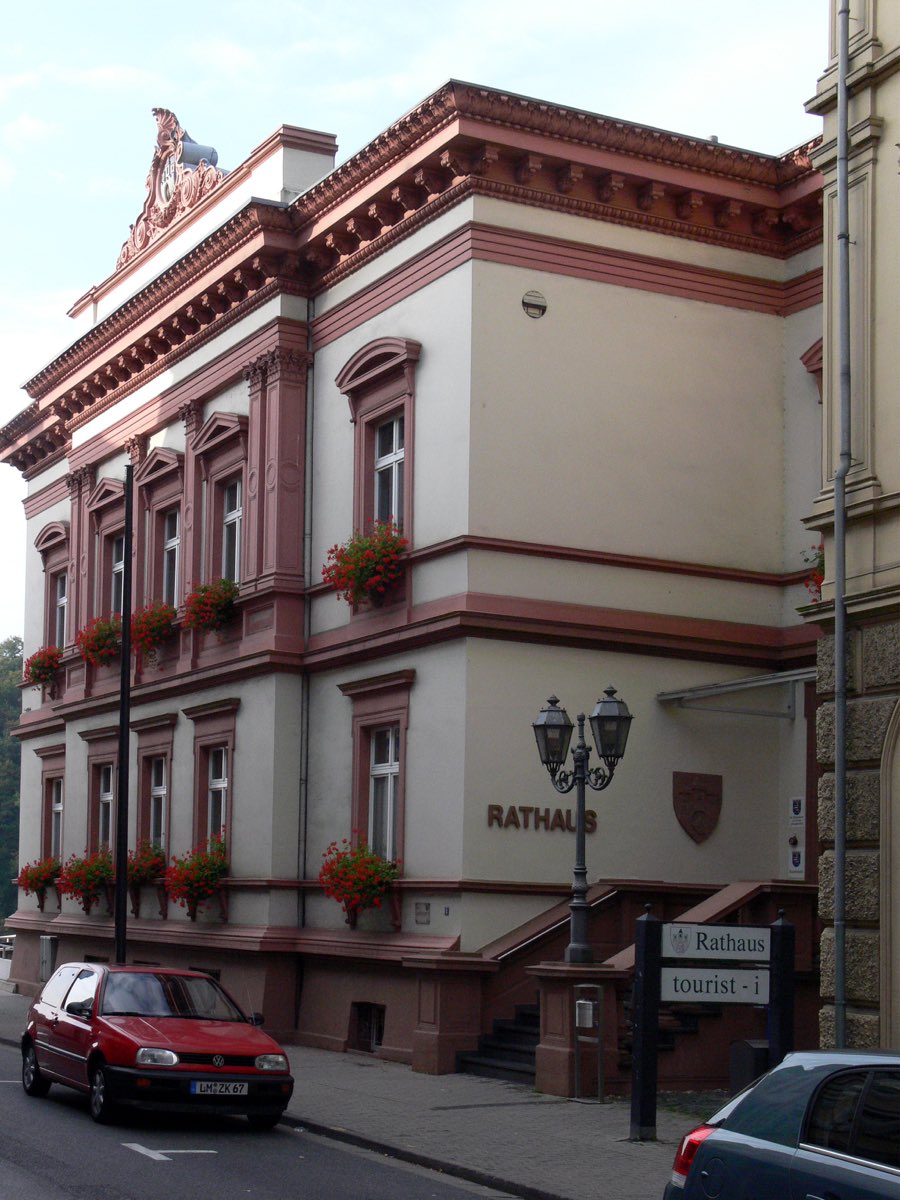 Application Guides How to Apply to a German University: uni-assist, anabin and Deadlines
Most international students apply to German universities through uni-assist, with key deadlines typically set for July 15 and January 15.
Application Guides How to Apply to a German University: uni-assist, anabin and Deadlines
Most international students apply to German universities through uni-assist, with key deadlines typically set for July 15 and January 15.
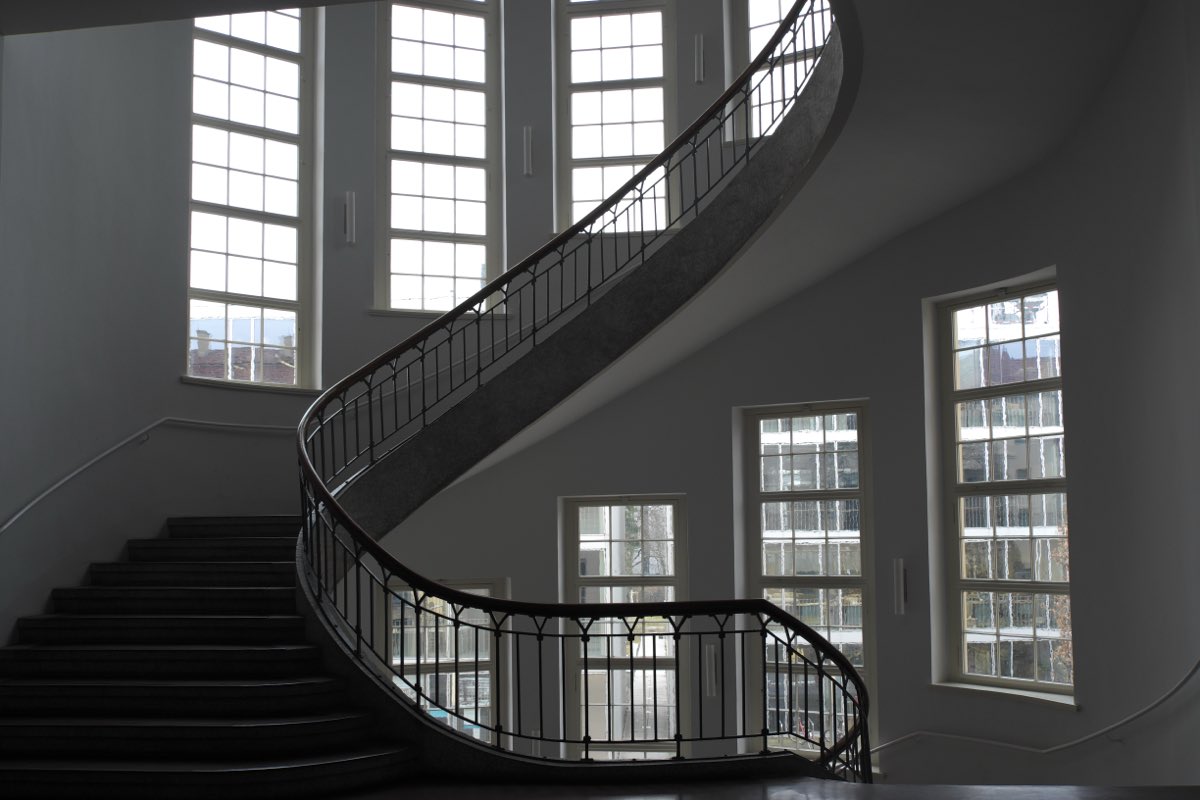 Rankings & Comparisons University or Hochschule? Choosing Between Research and Applied Sciences in Germany
Choosing between a university and a Hochschule in Germany depends on your career goals and whether you prefer a research or practice-led education.
Rankings & Comparisons University or Hochschule? Choosing Between Research and Applied Sciences in Germany
Choosing between a university and a Hochschule in Germany depends on your career goals and whether you prefer a research or practice-led education.
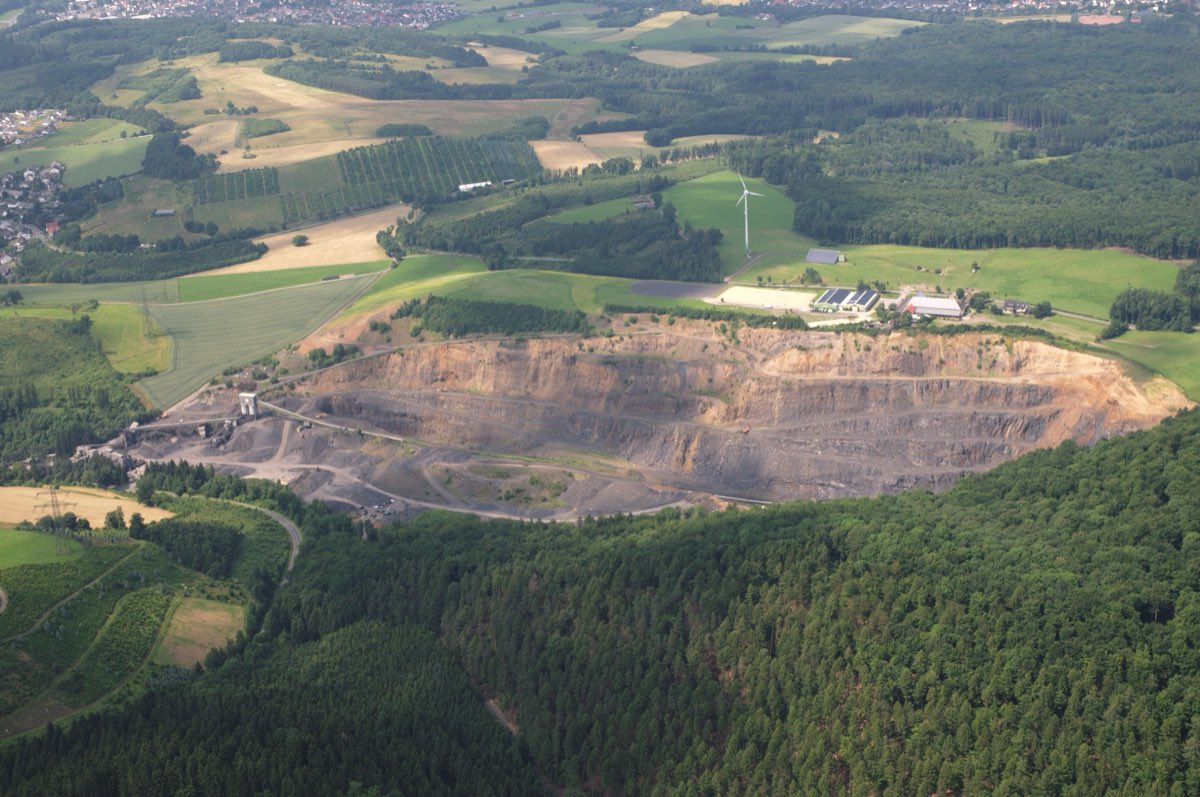 Rankings & Comparisons Renewable Energy and Sustainability Degrees in Germany
Germany offers a robust selection of 18 Energy & Renewable Engineering degrees, with programs available across numerous universities, often tailored for non-EU students.
Rankings & Comparisons Renewable Energy and Sustainability Degrees in Germany
Germany offers a robust selection of 18 Energy & Renewable Engineering degrees, with programs available across numerous universities, often tailored for non-EU students.
Hof University of Applied Sciences
Ruhr University Bochum
Berliner Hochschule für Technik
Bingen University of Applied Sciences
Technical University of Munich
Offenburg University of Applied Sciences