Bachelor's Degree
Sociology
BA European Cultures and Society (EUCS)
Flensburg University of Applied Sciences
⏱ 6 semesters 🎓 Full Time
💰 No tuition fees
at Flensburg University of Applied Sciences · Flensburg, Schleswig-Holstein
Duration
3 semesters
Tuition
No tuition fees
Intake
Winter semester, Summer semester
Mode
Full Time
The Master's degree in Sustainable Energy, with a specialization in Transition (SET) offered by Flensburg University of Applied Sciences, is designed for those committed to understanding and combating the challenges of energy transition. This program encompasses critical aspects of energy and renewable engineering, equipping students with the necessary knowledge and skills to foster sustainable energy solutions. Throughout the three-semester structure, students engage in modules that cover both theoretical foundations and practical applications in the energy sector.
In alignment with the typical layout of German Master's degrees, the program requires students to accumulate a designated number of European Credit Transfer and Accumulation System (ECTS) points through various modules, which include a combination of lectures, seminars, and hands-on projects. The third semester typically includes a thesis project that focuses on real-world problems in the energy transition sector, allowing students to apply their acquired knowledge in a practical context.
This program is particularly suitable for individuals looking to enter or advance in the field of sustainable energy. By working closely with industry partners, including the renowned Mittelstand companies in Germany, students gain valuable insights and establish important networks that can benefit their future careers. The practical internship semester is a crucial element that enhances experiential learning, preparing graduates to meet the demands of the energy market.
Graduates of the program will emerge with a strong foundation in sustainable energy technologies, policy formulation, and project management. They will be able to address interdisciplinary challenges in energy transition and contribute significantly to society's efforts toward sustainability.
German industries that frequently hire graduates include the energy sector, environmental consultancy firms, governmental agencies focusing on sustainable development, and research institutions. With an 18-month post-study job-seeking permit, graduates can explore numerous opportunities while immersing themselves in the vibrant German job market.
It typically takes 3 semesters, with intakes in Winter semester, Summer semester.
Tuition is around No tuition fees. Fees change yearly — confirm with an advisor.
Energy ConsultantRenewable Energy Project ManagerEnergy Policy AnalystEnvironmental EngineerResearcher in Sustainable Energy TechnologiesGerman industries that frequently hire graduates include the energy sector, environmental consultancy firms, governmental agencies focusing on...
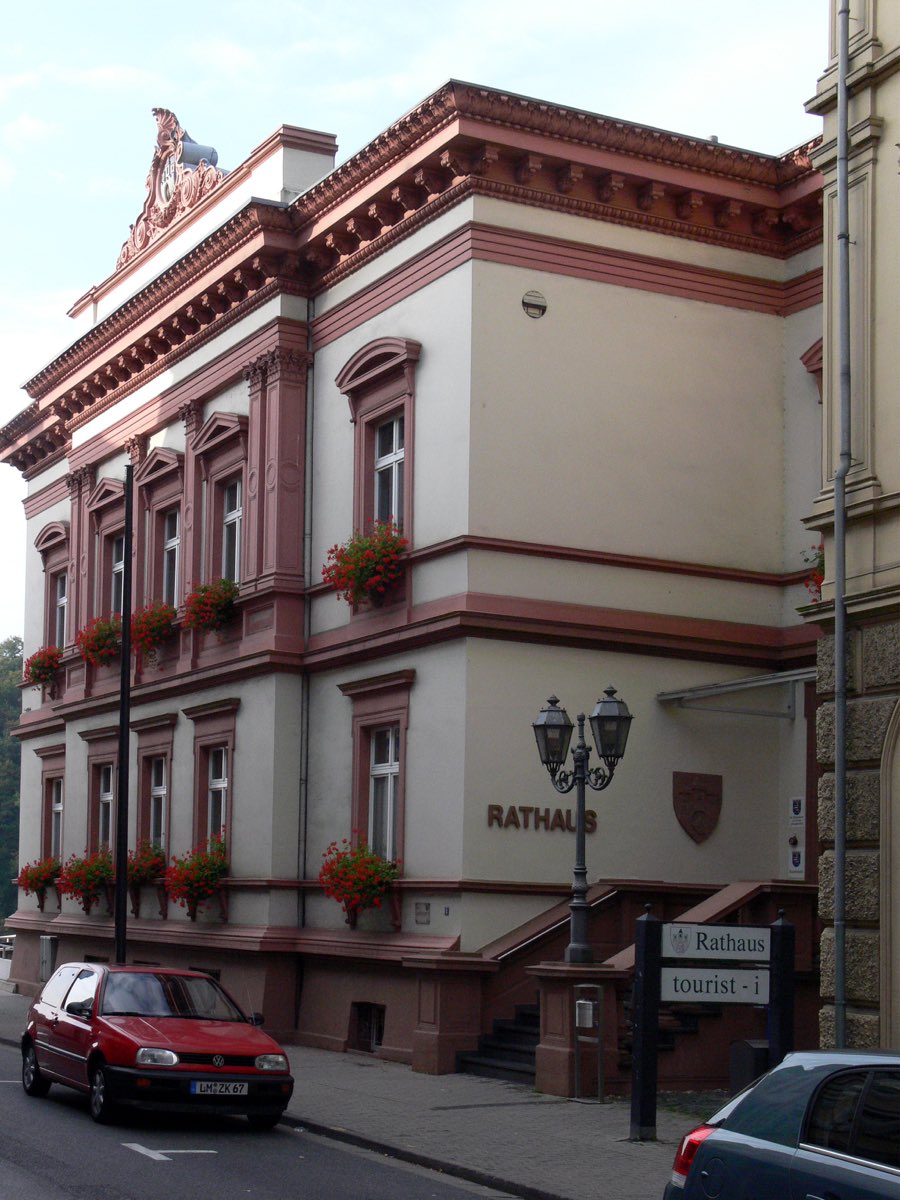 Application Guides How to Apply to a German University: uni-assist, anabin and Deadlines
Most international students apply to German universities through uni-assist, with key deadlines typically set for July 15 and January 15.
Application Guides How to Apply to a German University: uni-assist, anabin and Deadlines
Most international students apply to German universities through uni-assist, with key deadlines typically set for July 15 and January 15.
 Rankings & Comparisons University or Hochschule? Choosing Between Research and Applied Sciences in Germany
Choosing between a university and a Hochschule in Germany depends on your career goals and whether you prefer a research or practice-led education.
Rankings & Comparisons University or Hochschule? Choosing Between Research and Applied Sciences in Germany
Choosing between a university and a Hochschule in Germany depends on your career goals and whether you prefer a research or practice-led education.
 Rankings & Comparisons Renewable Energy and Sustainability Degrees in Germany
Germany offers a robust selection of 18 Energy & Renewable Engineering degrees, with programs available across numerous universities, often tailored for non-EU students.
Rankings & Comparisons Renewable Energy and Sustainability Degrees in Germany
Germany offers a robust selection of 18 Energy & Renewable Engineering degrees, with programs available across numerous universities, often tailored for non-EU students.
Flensburg University of Applied Sciences
Flensburg University of Applied Sciences
Hof University of Applied Sciences
Flensburg University of Applied Sciences
Ruhr University Bochum
Flensburg University of Applied Sciences