Bachelor's Degree
Cultural Studies
Cultural Studies — Organisation, Society, and the Arts (BA)
Leuphana University Lüneburg
⏱ 6 semesters 🎓 Full Time
💰 No tuition fees
at Leuphana University Lüneburg · Lüneburg, Lower Saxony
Duration
4 semesters
Tuition
No tuition fees
Intake
Winter semester
Mode
Full Time
The Master's Degree in Sustainability Science: Resources, Materials and Chemistry at Leuphana University Lüneburg is designed to equip students with the necessary skills and knowledge to tackle pressing environmental challenges. The programme spans four semesters and encompasses a blend of theoretical knowledge and practical applications. Students will explore sustainable resource management, the development of eco-friendly materials, and innovative chemical processes aimed at reducing environmental impact.
This interdisciplinary programme is structured around various modules that encompass both scientific and management perspectives. Students will engage in ECTS (European Credit Transfer and Accumulation System) credits which facilitate mobility and recognition of academic achievements across Europe. The practical component emphasizes an internship semester, where students gain essential hands-on experience in real-world settings. By working closely with research institutes and industry partners in Germany, students develop valuable networks for their future careers.
The skills acquired throughout the programme include critical thinking, problem-solving, and the ability to innovate within the field of sustainability. Graduates will be adept at integrating scientific knowledge with practical applications, making them invaluable assets in both private and public sectors. This programme is ideal for individuals passionate about sustainability and eager to contribute to the development of sustainable practices in industries ranging from energy to materials science.
Graduates can expect to find opportunities in a variety of German industries such as renewable energy, materials production, environmental policy, and research institutions. The strong emphasis on practical experience and partnerships within the German economy ensures that students are well-prepared to enter the job market. Moreover, Germany offers an 18-month post-study job-seeking permit for international graduates, which facilitates career entry and provides time to explore diverse job opportunities while applying for positions.
It typically takes 4 semesters, with intakes in Winter semester.
Tuition is around No tuition fees. Fees change yearly — confirm with an advisor.
Sustainability ConsultantEnvironmental ScientistMaterials EngineerResearch and Development SpecialistProject Manager in SustainabilityGraduates can expect to find opportunities in a variety of German industries such as renewable energy, materials production, environmental policy,...
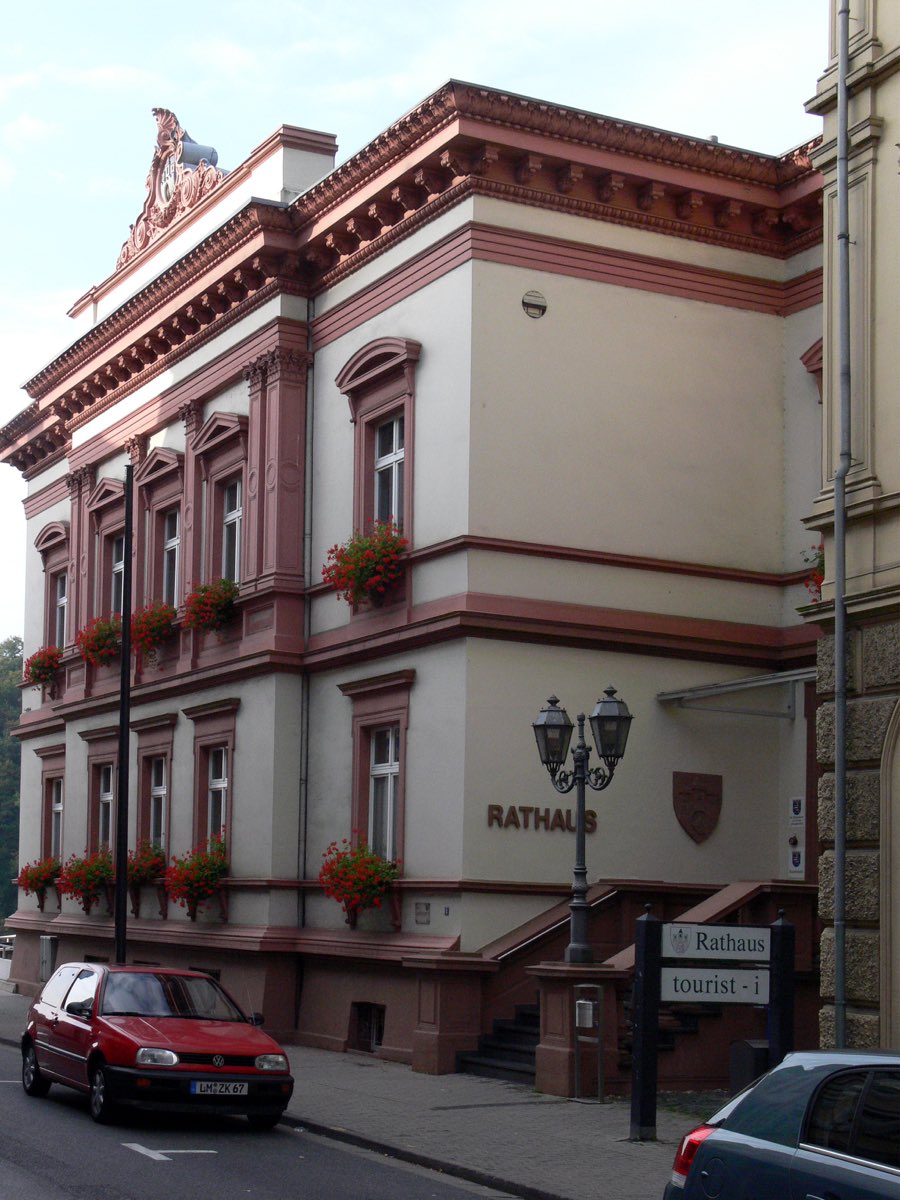 Application Guides How to Apply to a German University: uni-assist, anabin and Deadlines
Most international students apply to German universities through uni-assist, with key deadlines typically set for July 15 and January 15.
Application Guides How to Apply to a German University: uni-assist, anabin and Deadlines
Most international students apply to German universities through uni-assist, with key deadlines typically set for July 15 and January 15.
 Rankings & Comparisons University or Hochschule? Choosing Between Research and Applied Sciences in Germany
Choosing between a university and a Hochschule in Germany depends on your career goals and whether you prefer a research or practice-led education.
Rankings & Comparisons University or Hochschule? Choosing Between Research and Applied Sciences in Germany
Choosing between a university and a Hochschule in Germany depends on your career goals and whether you prefer a research or practice-led education.
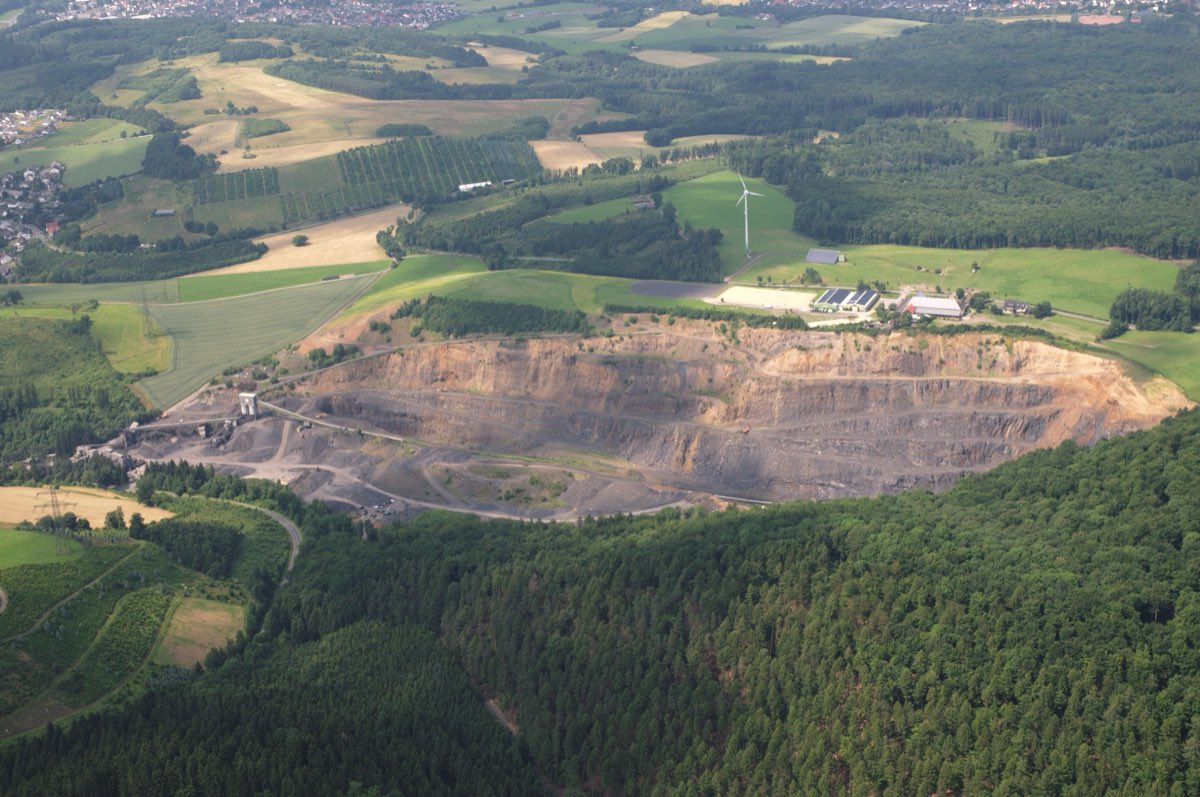 Rankings & Comparisons Renewable Energy and Sustainability Degrees in Germany
Germany offers a robust selection of 18 Energy & Renewable Engineering degrees, with programs available across numerous universities, often tailored for non-EU students.
Rankings & Comparisons Renewable Energy and Sustainability Degrees in Germany
Germany offers a robust selection of 18 Energy & Renewable Engineering degrees, with programs available across numerous universities, often tailored for non-EU students.
Leuphana University Lüneburg
Leuphana University Lüneburg
Leuphana University Lüneburg
Hof University of Applied Sciences
Leuphana University Lüneburg
Leuphana University Lüneburg