Master's Degree
Graphic Design
Digital Media Manager
International University SDI München
⏱ 3 semesters 🎓 Full Time
💰 €3,840 total
International University SDI München is a public university located in Munich, Bavaria. The university offers a range of programs focusing on subjects such as Cultural Studies, Graphic Design, International Business, and Business Administration (MBA). As a public institution, it charges no tuition fees, requiring only a semester contribution from students. Being a public university, SDI München is committed to providing a research-led education while also encompassing a practice-oriented approach. This blend helps prepare students for the entrepreneurial and global aspects of their respective fields.
5 programs across 2 study levels.
International University SDI München
International University SDI München
International University SDI München
International University SDI München
International University SDI München
Indicative annual tuition
No tuition fees
Tuition-freeSemester contribution
—
Semesterbeitrag — often includes a transport ticketIndicative living cost
—
Most public universities in Germany charge no tuition fees — only the semester contribution. Baden-Württemberg charges non-EU students €1,500 per semester, and private universities set their own fees. Figures are indicative; confirm with the university before applying.
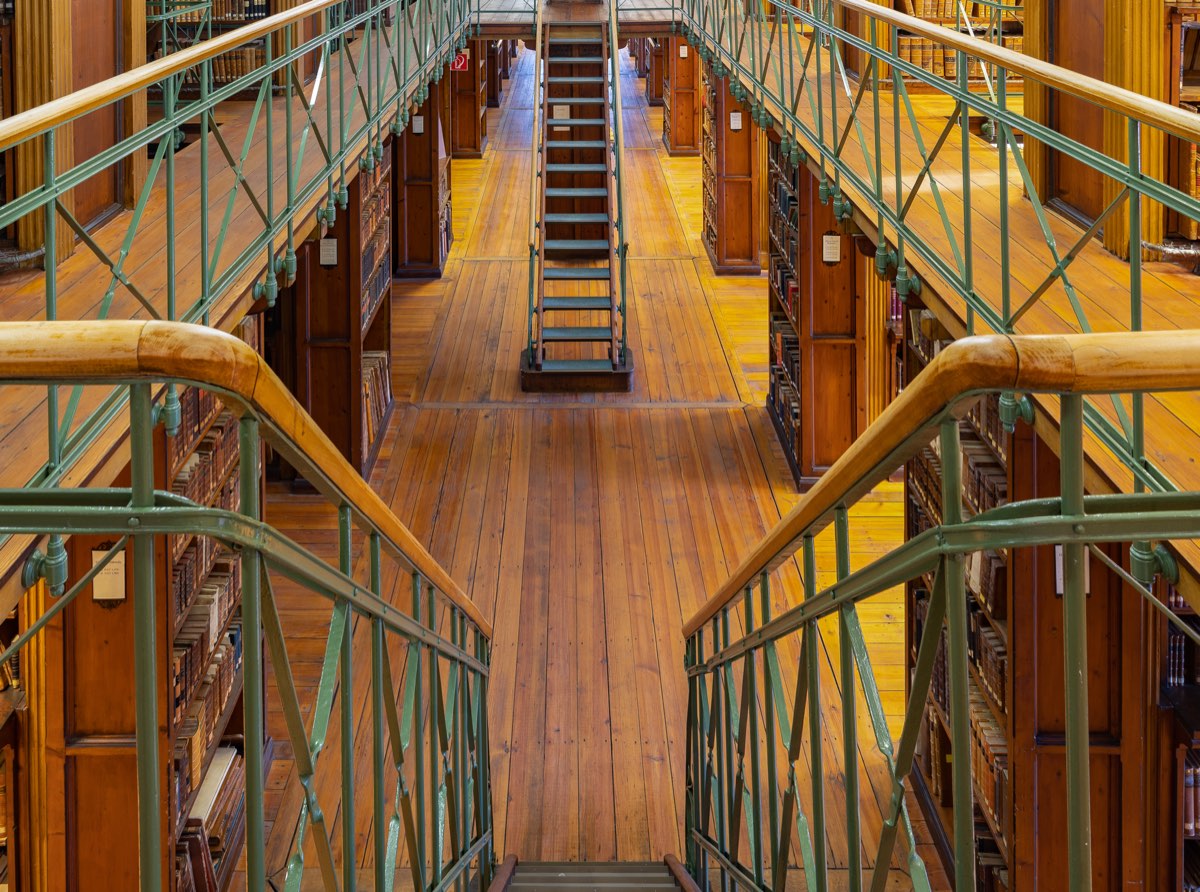 Application Guides How to Apply to a German University: uni-assist, anabin and Deadlines
Most international students apply to German universities through uni-assist, with key deadlines typically set for July 15 and January 15.
Application Guides How to Apply to a German University: uni-assist, anabin and Deadlines
Most international students apply to German universities through uni-assist, with key deadlines typically set for July 15 and January 15.
 Visa & Residence Permit Blocked Account Providers in Germany Compared: What to Look For
To study in Germany, non-EU students need a blocked account with approximately €11,904 for one year to cover living expenses.
Visa & Residence Permit Blocked Account Providers in Germany Compared: What to Look For
To study in Germany, non-EU students need a blocked account with approximately €11,904 for one year to cover living expenses.
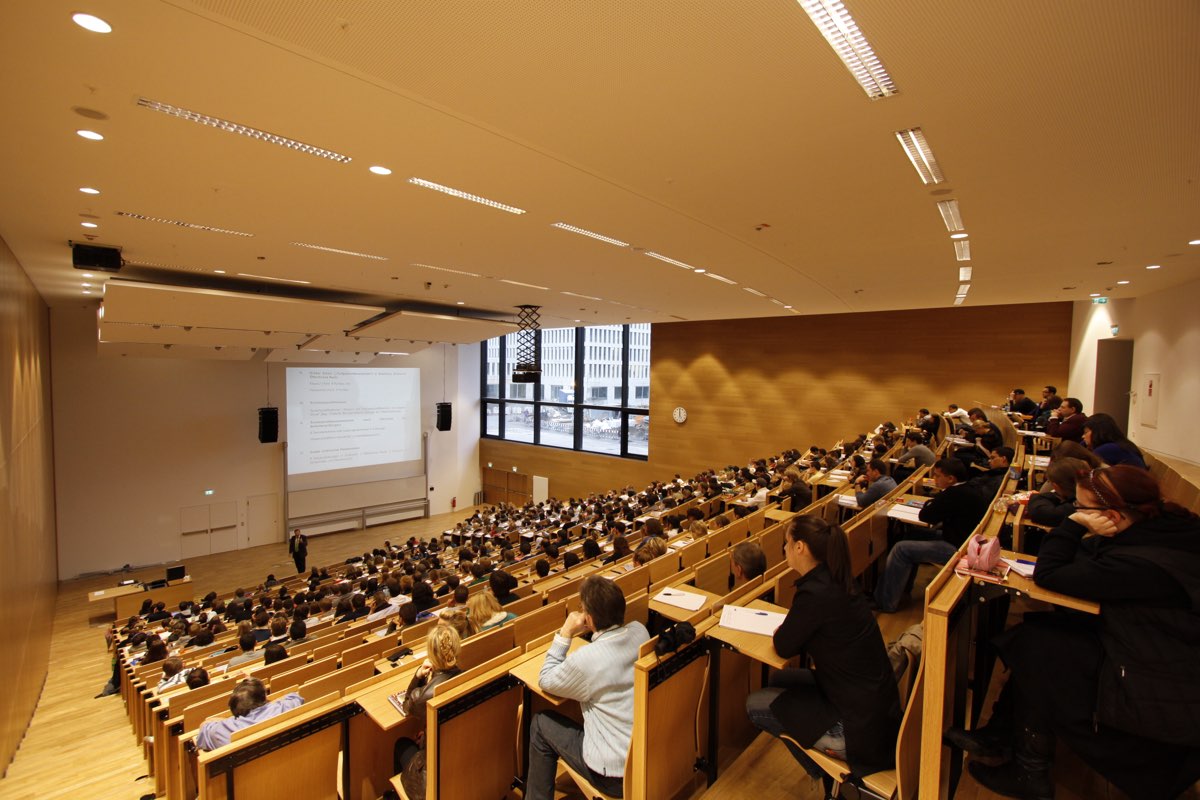 Rankings & Comparisons Business and Management Degrees in Germany: Public Universities vs Private Business Schools
Public universities in Germany charge no tuition fees for Business and Management degrees, impacting the choice between institutions.
Rankings & Comparisons Business and Management Degrees in Germany: Public Universities vs Private Business Schools
Public universities in Germany charge no tuition fees for Business and Management degrees, impacting the choice between institutions.
A secondary-school leaving certificate recognised as equivalent to the German Abitur (checked against the anabin database, usually via uni-assist). Applicants whose qualification is not directly equivalent complete a Studienkolleg year and the Feststellungsprüfung, or sit the TestAS. Master’s applicants need a relevant bachelor’s degree with a good grade average; some subjects are restricted by a Numerus Clausus (NC) or an aptitude assessment (Eignungsfeststellungsverfahren).
Language: German-taught degrees: DSH-2, TestDaF 4x4, telc Deutsch C1 Hochschule or Goethe-Zertifikat C2. English-taught degrees: IELTS 6.5 / TOEFL iBT 88+ (programme-dependent); many international master’s programmes are taught fully in English and require no German at entry.
Non-EU students apply for a German national student visa (Visa D) at the German mission in their country, then convert it into a residence permit for study purposes at the local Ausländerbehörde. Proof of funds is normally a blocked account (Sperrkonto) — currently about €11,904 for one year — plus statutory health insurance. Graduates may stay for up to 18 months on a job-seeking residence permit.
Read the student visa & residence permit guide →A secondary-school leaving certificate recognised as equivalent to the German Abitur (checked against the anabin database, usually via uni-assist). Applicants whose qualification is not directly equivalent complete a Studienkolleg year and the Feststellungsprüfung, or sit the Tes...
There are no tuition fees — you pay only the semester contribution. Figures are indicative — confirm with the university.
Germany national rank #150.
German-taught degrees: DSH-2, TestDaF 4x4, telc Deutsch C1 Hochschule or Goethe-Zertifikat C2. English-taught degrees: IELTS 6.5 / TOEFL iBT 88+ (programme-dependent); many international master’s programmes are taught fu...
Last updated 21 Aug 2026. Information is provided for guidance — verify with official sources before applying.