Bachelor's Degree
Computer Science
Applied Informatics
Weihenstephan-Triesdorf University of Applied Sciences
⏱ 7 semesters 🎓 Full Time
💰 No tuition fees
Die Hochschule Weihenstephan-Triesdorf, gelegen in Freising, Bayern, konzentriert sich auf praxisorientierte Bildung durch ihre verschiedenen Programme. Als Hochschule für angewandte Wissenschaften legt sie Wert auf praktische Fähigkeiten und beinhaltet oft Praktikumsmöglichkeiten in ihrem Curriculum. Die Einrichtung bietet eine vielfältige Themenvielfalt an, darunter Informatik, Landschaftsarchitektur, Landwirtschaft, Umwelttechnik, Agrarwirtschaft, Geologie und Gartenbau, um ein breites Spektrum an Interessen der Studierenden abzudecken. Diese Hochschule erhebt keine Studiengebühren; die Studierenden sind lediglich verpflichtet, einen Semesterbeitrag zu zahlen. Mit einer Gesamtzahl von 5.755 eingeschriebenen Studierenden strebt Weihenstephan-Triesdorf danach, eine unterstützende Lernumgebung zu bieten und die Studierenden auf erfolgreiche Karrieren in ihren gewählten Bereichen vorzubereiten. Für weitere Informationen zu Programmen und Zulassungen können interessierte Studierende die offizielle Website besuchen.
9 programs across 2 study levels.
Weihenstephan-Triesdorf University of Applied Sciences
Weihenstephan-Triesdorf University of Applied Sciences
Weihenstephan-Triesdorf University of Applied Sciences
Weihenstephan-Triesdorf University of Applied Sciences
Weihenstephan-Triesdorf University of Applied Sciences
Weihenstephan-Triesdorf University of Applied Sciences
Weihenstephan-Triesdorf University of Applied Sciences
Weihenstephan-Triesdorf University of Applied Sciences
Weihenstephan-Triesdorf University of Applied Sciences
Indicative annual tuition
No tuition fees
Tuition-freeSemester contribution
—
Semesterbeitrag — often includes a transport ticketIndicative living cost
—
Most public universities in Germany charge no tuition fees — only the semester contribution. Baden-Württemberg charges non-EU students €1,500 per semester, and private universities set their own fees. Figures are indicative; confirm with the university before applying.
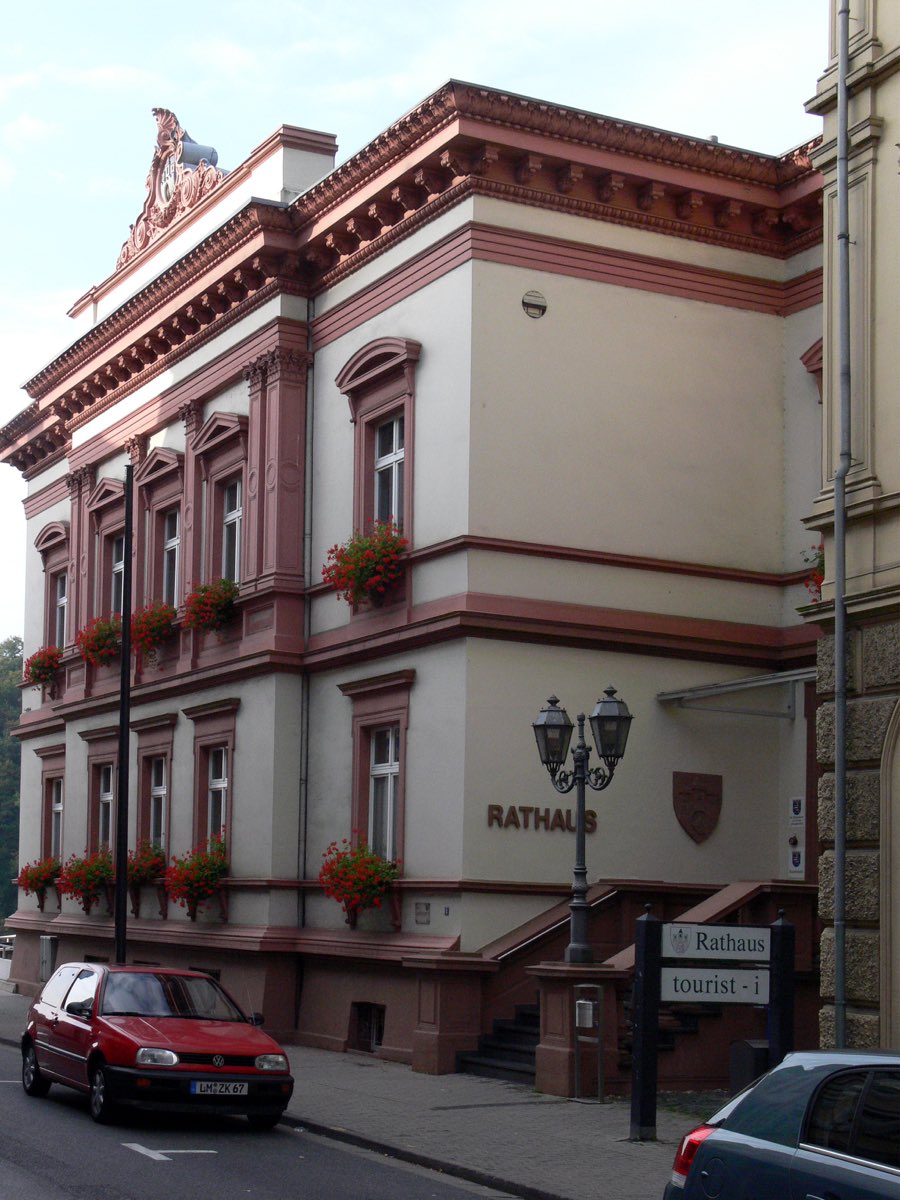 Application Guides Wie man sich an einer deutschen Hochschule bewirbt: uni-assist, anabin und Fristen
Die meisten internationalen Studierenden bewerben sich über uni-assist bei deutschen Hochschulen, wobei die wichtigsten Fristen in der Regel auf den 15. Juli und den 15. Januar festgelegt sind.
Application Guides Wie man sich an einer deutschen Hochschule bewirbt: uni-assist, anabin und Fristen
Die meisten internationalen Studierenden bewerben sich über uni-assist bei deutschen Hochschulen, wobei die wichtigsten Fristen in der Regel auf den 15. Juli und den 15. Januar festgelegt sind.
 Visa & Residence Permit Anbieter von Sperrkonten in Deutschland im Vergleich: Worauf Sie achten sollten
Um in Deutschland zu studieren, benötigen Nicht-EU-Studierende ein Sperrkonto mit etwa 11.904 € für ein Jahr, um die Lebenshaltungskosten zu decken.
Visa & Residence Permit Anbieter von Sperrkonten in Deutschland im Vergleich: Worauf Sie achten sollten
Um in Deutschland zu studieren, benötigen Nicht-EU-Studierende ein Sperrkonto mit etwa 11.904 € für ein Jahr, um die Lebenshaltungskosten zu decken.
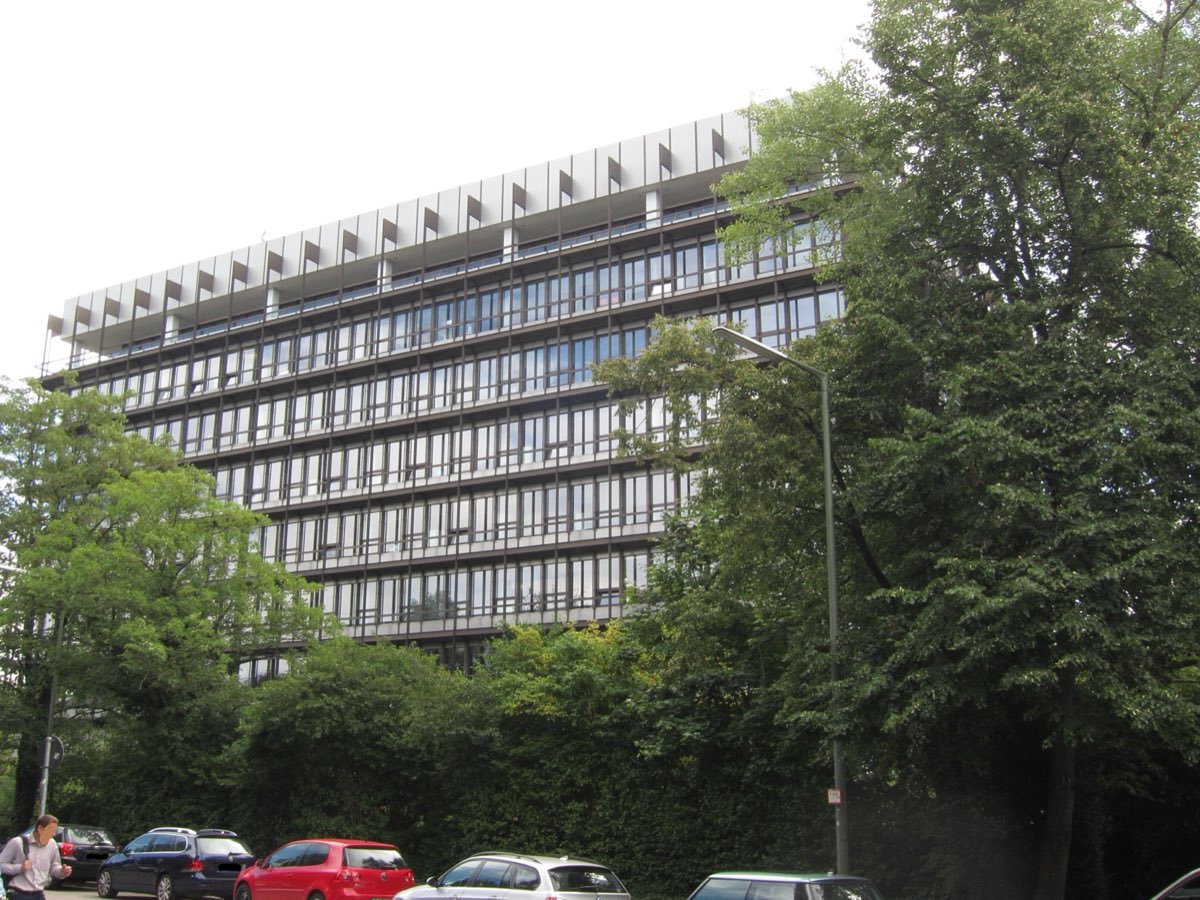 Rankings & Comparisons Studium der Informatik in Deutschland: Hochschulen, Zulassungsvoraussetzungen und Karrieren
In Deutschland gibt es 143 programme in Informatik an 210 Hochschulen, viele bieten keine Studiengebühren und eine hohe Nachfrage auf dem Arbeitsmarkt.
Rankings & Comparisons Studium der Informatik in Deutschland: Hochschulen, Zulassungsvoraussetzungen und Karrieren
In Deutschland gibt es 143 programme in Informatik an 210 Hochschulen, viele bieten keine Studiengebühren und eine hohe Nachfrage auf dem Arbeitsmarkt.
A secondary-school leaving certificate recognised as equivalent to the German Abitur (checked against the anabin database, usually via uni-assist). Applicants whose qualification is not directly equivalent complete a Studienkolleg year and the Feststellungsprüfung, or sit the TestAS. Master’s applicants need a relevant bachelor’s degree with a good grade average; some subjects are restricted by a Numerus Clausus (NC) or an aptitude assessment (Eignungsfeststellungsverfahren).
Language: German-taught degrees: DSH-2, TestDaF 4x4, telc Deutsch C1 Hochschule or Goethe-Zertifikat C2. English-taught degrees: IELTS 6.5 / TOEFL iBT 88+ (programme-dependent); many international master’s programmes are taught fully in English and require no German at entry.
Non-EU students apply for a German national student visa (Visa D) at the German mission in their country, then convert it into a residence permit for study purposes at the local Ausländerbehörde. Proof of funds is normally a blocked account (Sperrkonto) — currently about €11,904 for one year — plus statutory health insurance. Graduates may stay for up to 18 months on a job-seeking residence permit.
Read the student visa & residence permit guide →National and foundation scholarships open to students at Weihenstephan-Triesdorf University of Ap. Because public universities in Germany charge no tuition, these mostly fund living costs.
German Academic Exchange Service (DAAD)
Monthly stipend (approx. €992), travel allowance, health insurance and study/research allowance
German Academic Exchange Service (DAAD)
Full funding: monthly stipend, tuition where charged, travel, health insurance and a German course
Federal Ministry of Education and Research (BMBF)
€300 per month for at least two semesters, independent of income and nationality
European Commission (Erasmus+)
Full tuition, monthly allowance and travel/installation costs for the whole joint degree
German Academic Exchange Service (DAAD)
Full scholarship: monthly stipend, travel, insurance, plus an intensive German course before study
Heinrich Böll Foundation
Monthly stipend plus allowances for study and family; doctoral rates are higher
A secondary-school leaving certificate recognised as equivalent to the German Abitur (checked against the anabin database, usually via uni-assist). Applicants whose qualification is not directly equivalent complete a Studienkolleg year and the Feststellungsprüfung, or sit the Tes...
There are no tuition fees — you pay only the semester contribution. Figures are indicative — confirm with the university.
Germany national rank #139.
German-taught degrees: DSH-2, TestDaF 4x4, telc Deutsch C1 Hochschule or Goethe-Zertifikat C2. English-taught degrees: IELTS 6.5 / TOEFL iBT 88+ (programme-dependent); many international master’s programmes are taught fu...
Last updated 22 Aug 2026. Information is provided for guidance — verify with official sources before applying.