Bachelor's Degree
Mechanical Engineering
Bachelor of Engineering in Mechanical Engineering
Aalen University
⏱ 7 semesters 🎓 Full Time
at University of Duisburg-Essen · Duisburg, North Rhine-Westphalia
Duration
4 semesters
Tuition
No tuition fees
Intake
Winter semester, Summer semester
Mode
Full Time
The Master's Degree in Metallurgy and Metal Forming at the University of Duisburg-Essen is designed for those who wish to specialize in the mechanical engineering field with an emphasis on materials science and processing technologies. This program dives deep into the principles of metallurgy, providing students with an understanding of the behavior of various metals and alloys under different conditions, and equipping them with the knowledge to innovate and improve manufacturing processes.
The structure of the program spans 4 semesters and encompasses a variety of modules that cover topics such as metal casting, metal forming processes, materials characterization, and sustainable materials technology. Students are expected to earn a certain number of ECTS credits, demonstrating their understanding and engagement with the material. A thesis project also forms a crucial part of the program, allowing students to apply their theoretical knowledge to practical problems, demonstrating their ability to conduct independent research.
This master's program is particularly suited for individuals with backgrounds in mechanical engineering, materials science, or similar disciplines. Students will have the opportunity to engage in practical experiences through an internship semester, offering exposure to the German market's industrial partnerships and strong Mittelstand sector—characterized by its small to medium-sized enterprises known for their innovation and export strength. Studying in Germany offers the advantage of a structured educational environment, leading to ample networking opportunities and insights into cutting-edge research and practices.
Graduates will acquire vital skills such as analytical problem-solving, practical application of engineering principles, and an in-depth understanding of material properties. As the program is taught in both German and English, it accommodates a diverse student body, enhancing cross-cultural collaboration and communication skills.
Industries that hire graduates from this program include automobile manufacturing, aerospace, consumer goods, and construction. The strong foundations in metallurgy make graduates highly sought after, especially in Germany where innovation in metal processing is pivotal to numerous sectors. Additionally, graduates benefit from an 18-month post-study job-seeking permit, allowing them to explore various opportunities in the thriving German job market.
It typically takes 4 semesters, with intakes in Winter semester, Summer semester.
Tuition is around No tuition fees. Fees change yearly — confirm with an advisor.
Career OpportunitiesProcess Engineer in Metal IndustriesQuality Control Specialist in ManufacturingResearch and Development EngineerMaterials EngineerProject Manager in Engineering FirmsConsultant for Metal Forming TechniquesIndustries that hire graduates from this program includ...
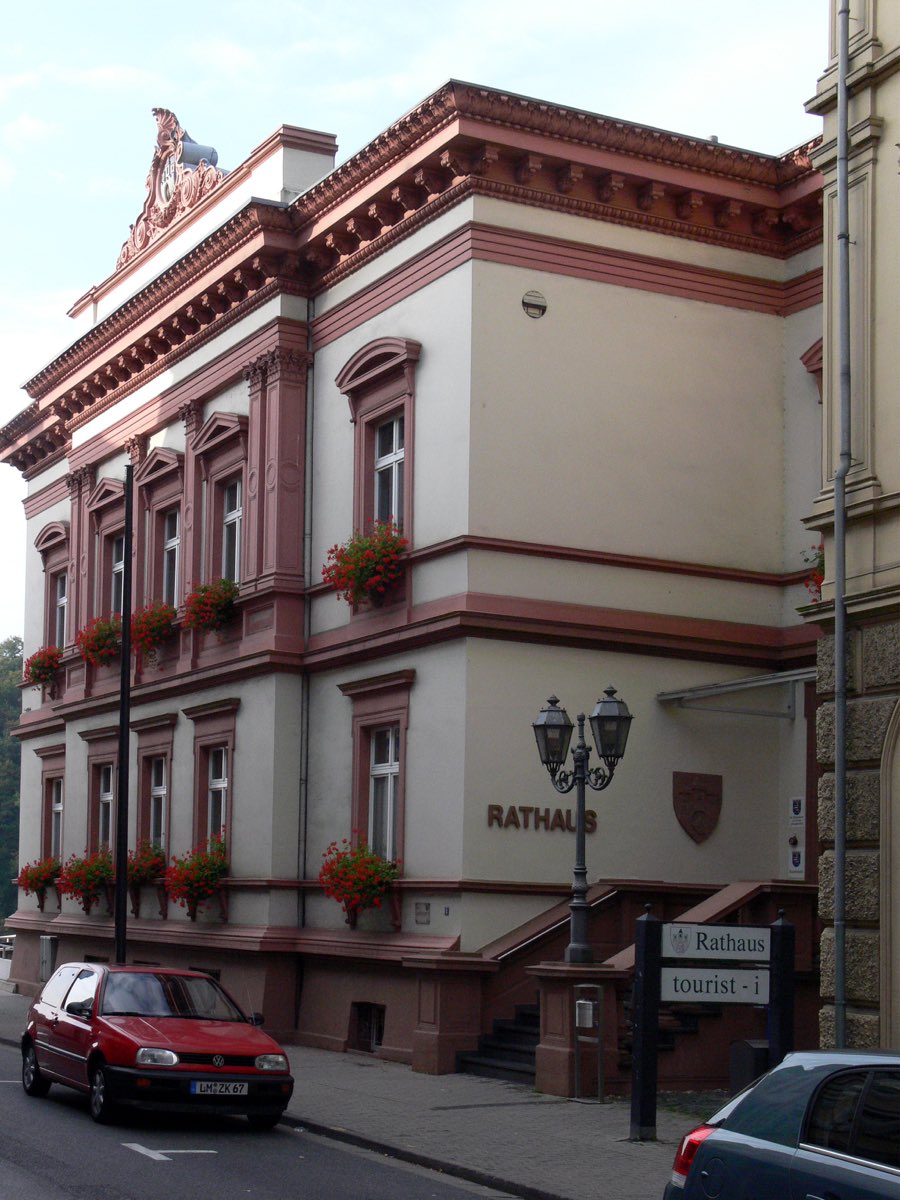 Application Guides How to Apply to a German University: uni-assist, anabin and Deadlines
Most international students apply to German universities through uni-assist, with key deadlines typically set for July 15 and January 15.
Application Guides How to Apply to a German University: uni-assist, anabin and Deadlines
Most international students apply to German universities through uni-assist, with key deadlines typically set for July 15 and January 15.
 Rankings & Comparisons University or Hochschule? Choosing Between Research and Applied Sciences in Germany
Choosing between a university and a Hochschule in Germany depends on your career goals and whether you prefer a research or practice-led education.
Rankings & Comparisons University or Hochschule? Choosing Between Research and Applied Sciences in Germany
Choosing between a university and a Hochschule in Germany depends on your career goals and whether you prefer a research or practice-led education.
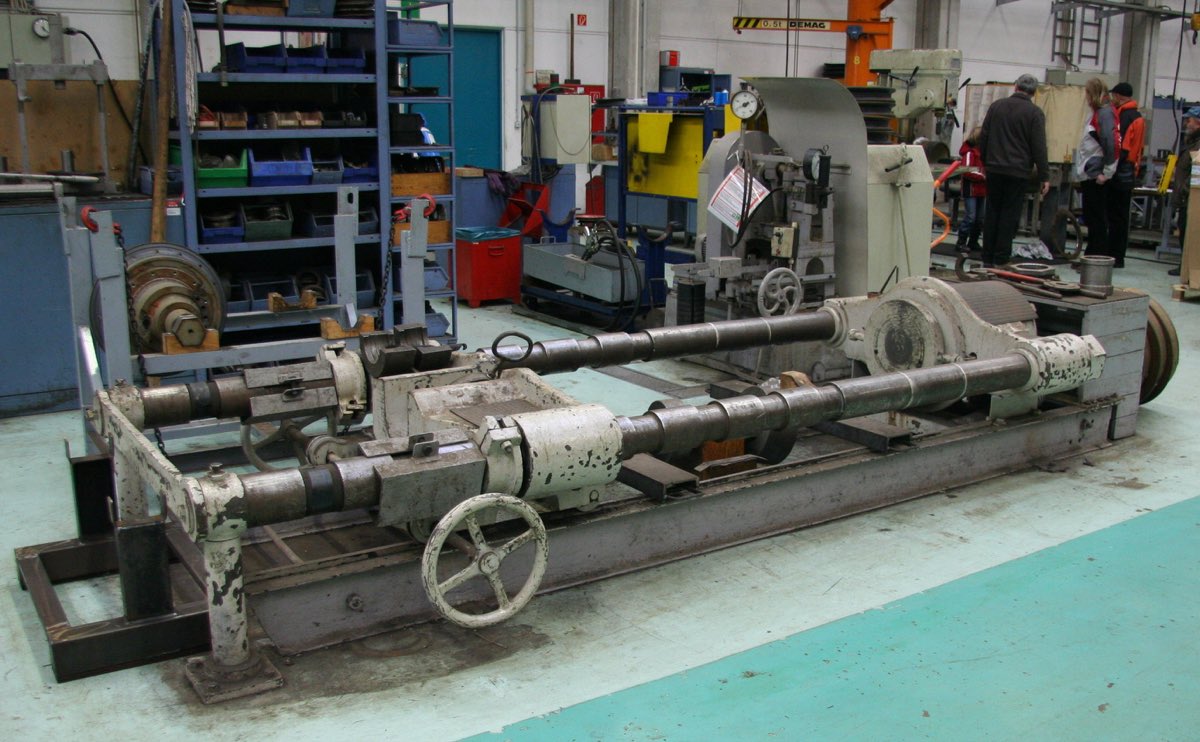 Rankings & Comparisons Mechanical and Automotive Engineering in Germany: The TU9 Route
Germany offers 51 Mechanical Engineering programmes at its universities, with significant options available through the TU9 alliance.
Rankings & Comparisons Mechanical and Automotive Engineering in Germany: The TU9 Route
Germany offers 51 Mechanical Engineering programmes at its universities, with significant options available through the TU9 alliance.
Aalen University
Aalen University
Technical University of Applied Sciences Würzburg-Schweinfurt (THWS)
Technical University of Applied Sciences Würzburg-Schweinfurt (THWS)
Karlsruhe Institute of Technology
Technische Universität Ilmenau